Missouri Launches Sports Betting Market with Eight Licensed Operators
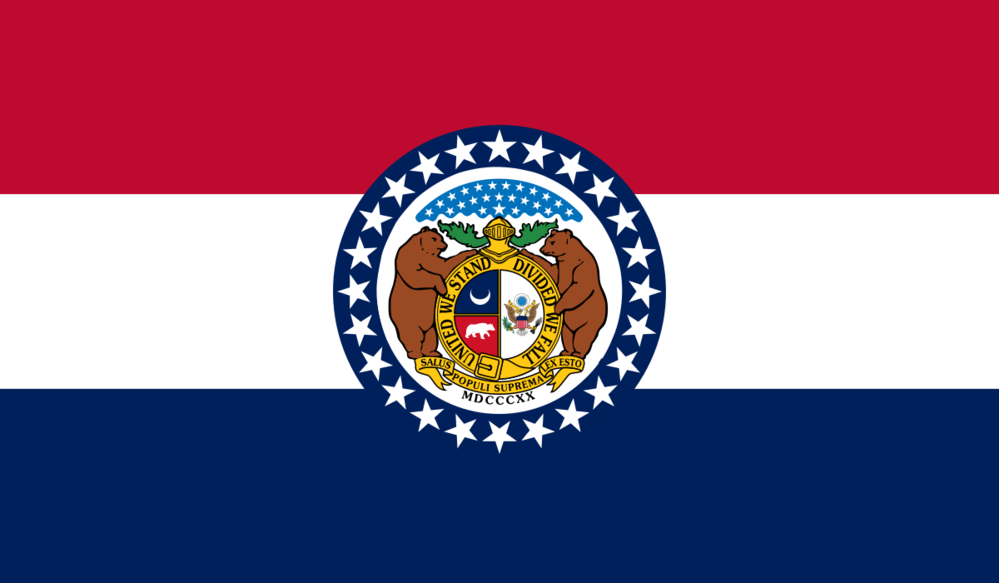
United States.– December 3, 2025 – www.zonadeazar.com The state of Missouri officially launches its regulated sports-betting market, opening operations with eight fully licensed operators from day one. The debut marks a decisive moment for the Midwest region, placing Missouri among the fastest-growing U.S. jurisdictions adopting a comprehensive regulatory model for online and retail sports wagering.
Overview
After years of legislative discussion, Missouri activates a competitive and highly structured betting ecosystem built on transparency, accountability and consumer protection. The simultaneous approval of eight operators ensures that the market starts off balanced, with diverse options for players and strong safeguards for integrity.
The launch is considered one of the strongest in recent U.S. regulatory cycles: a broad lineup of brands, stringent requirements for licensing and robust mechanisms for responsible gambling.
Missouri’s entry comes at a time when multiple U.S. states evaluate expanding regulated betting, making this rollout a reference point for policymakers and operators.
Details and Context
Regulators designed Missouri’s framework around strict operational, technological and compliance-based standards. Licensed operators were required to pass full system audits, security verification, anti–money laundering controls, financial disclosure checks and identity verification protocols.
Key obligations for operators include:
-
Real-time monitoring systems for suspicious wagering patterns.
-
Mandatory responsible-gaming tools, including deposit limits, time-outs and self-exclusion.
-
Digital identity, age and location verification for all account holders.
-
Encrypted data-tracking for all transactions and betting activity.
-
Cooperation agreements with professional and collegiate sports leagues.
-
Clear limitations on marketing, targeting only users 21+.
Missouri’s tax model balances competitiveness with fiscal responsibility. A portion of betting revenue is allocated to public programs, including education, addiction-prevention initiatives and community development.
The launch also opens the door for secondary industries: data-providers, payment-platforms, geo-location services, customer-support hubs and sports integrity companies — all expected to grow in parallel with operators.
Specific Angles and Market Impact
The arrival of eight operators at launch creates immediate movement in several areas:
1. Competitive equilibrium from day one
Instead of monopolies or exclusive duopolies, Missouri begins with a multi-operator model. Players benefit from promotions, user-experience innovation and broader betting markets.
2. Reinforced sports integrity standards
Missouri introduces one of the strongest integrity-monitoring requirements in the region. Operators must integrate live alerts, irregular-betting detection systems and reporting mechanisms tied to regulatory bodies.
3. Economic expansion and job creation
The sports betting market is expected to generate hundreds of positions in compliance, risk analysis, customer service, marketing and software development — plus support positions in transferred or new offices.
4. Safer and more controlled betting environment
Regulators emphasize consumer safety as a core pillar. Identity verification, anti-fraud systems, multi-layer authentication and data-protection protocols are mandatory for all licensees.
5. Competitive pressure on neighboring states
The Midwest continues to evolve, with states increasingly analyzing the economic and social benefits of regulation. Missouri’s model may serve as a catalyst for reforms in surrounding jurisdictions.
Future Outlook
Missouri’s regulatory team is expected to implement a multi-phase supervision plan, including:
-
Ongoing assessments of operator performance and compliance.
-
Adjustments to advertising rules, particularly around digital marketing.
-
Expansion of integrity partnerships with leagues and independent monitoring bodies.
-
Evaluation of new applicants as demand grows.
-
Introduction of advanced AI systems for fraud detection and wagering analysis.
-
Periodic updates to technical requirements, particularly around geolocation and identity verification.
Operators, for their part, prepare aggressive acquisition and retention strategies as Missouri becomes a competitive new hub. User-experience optimization, live-betting enhancements, local partnerships and community engagement will likely shape the next stage of market growth.
Missouri’s launch demonstrates that a regulated market can begin strong: secure, transparent, competitive and aligned with consumer expectations. The state positions itself as a benchmark in the U.S. regulatory landscape — one defined by high standards, economic potential and responsible gaming principles.
🔗 Edited by: @_fonta www.zonadeazar.com