World Cup 2026 Set To Redefine Global Sports Economics
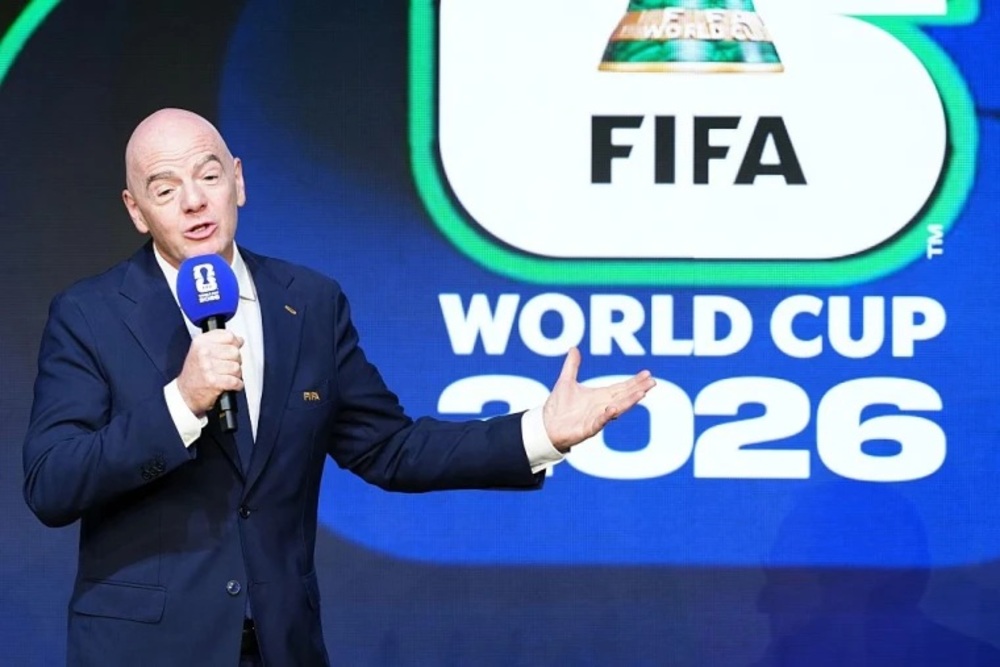
🇬🇧 iGaming Industry – March 06, 2026 – www.zonadeazar.com The FIFA World Cup 2026, to be hosted by the United States, Canada and Mexico, is expected to become the largest and most commercially powerful tournament in football history, driven by an expanded format, new betting markets and unprecedented global revenues.
Overview
The 2026 FIFA World Cup will represent a historic milestone for the global sports and entertainment industry.
For the first time in the tournament’s history, 48 national teams will compete instead of the traditional 32, increasing the total number of matches to 104 games across the three host countries.
This expansion significantly increases the scale of the event and opens new commercial opportunities across broadcasting rights, sponsorships, sports marketing, tourism and sports betting.
An event of unprecedented economic scale
Economic projections suggest that the 2026 World Cup could generate over $30 billion in total economic impact, driven by tourism, infrastructure investment, hospitality and global fan engagement.
The tournament will stimulate growth across multiple industries, including:
- tourism and aviation
- hospitality and entertainment
- sports technology and data analytics
- marketing and global sponsorships
- digital media and sports betting
With 16 host cities and millions of expected international visitors, the event is poised to become one of the most significant global sporting spectacles ever organized.
Record prize money
The 2026 tournament will also introduce record prize money for participating teams.
FIFA is expected to distribute around $655 million in total prize funds, with the champion potentially receiving approximately $50 million.
Even teams eliminated in the group stage will receive substantial financial rewards, while every qualified national team will obtain funding to support preparation and participation.
This increase reflects the growing commercial value of the World Cup and the massive revenues generated by broadcasting rights and sponsorship deals.
Impact on the sports betting industry
The FIFA World Cup remains the largest betting event in global sports.
For sportsbooks and betting operators, the tournament represents one of the most important acquisition periods for new players and betting activity.
Industry analysts expect the expanded format to drive an even larger betting volume due to:
- the higher number of matches
- more participating teams
- expanded global audiences
- the growth of regulated betting markets worldwide
In addition, the increase to 104 matches creates a larger number of betting markets, enabling operators to offer more in-play opportunities and specialized wagering options.
North America at the center of global football
The choice of United States, Canada and Mexico as joint hosts reflects the growing importance of North America in the global football ecosystem.
The United States will host the majority of matches, while Mexico and Canada will also play key roles in staging the tournament.
The region offers several strategic advantages:
- large advertising markets
- world-class stadium infrastructure
- rapidly growing football audiences
- expanding regulated sports betting markets
These factors make the 2026 World Cup one of the most commercially attractive sporting events ever planned.
Looking ahead
Beyond the competition itself, the 2026 World Cup is expected to become a global platform for innovation in sports entertainment, media and digital engagement.
The combination of a larger tournament format, expanding betting markets and growing digital consumption positions this edition as a transformative moment for the football industry.
With a projected global audience exceeding 5 billion viewers, the 2026 World Cup is set to reinforce its status as the world’s biggest sporting event.
🔗 Editó: @_fonta www.zonadeazar.com
