New Zealand Begins Auction for 15 Online Casino Licences
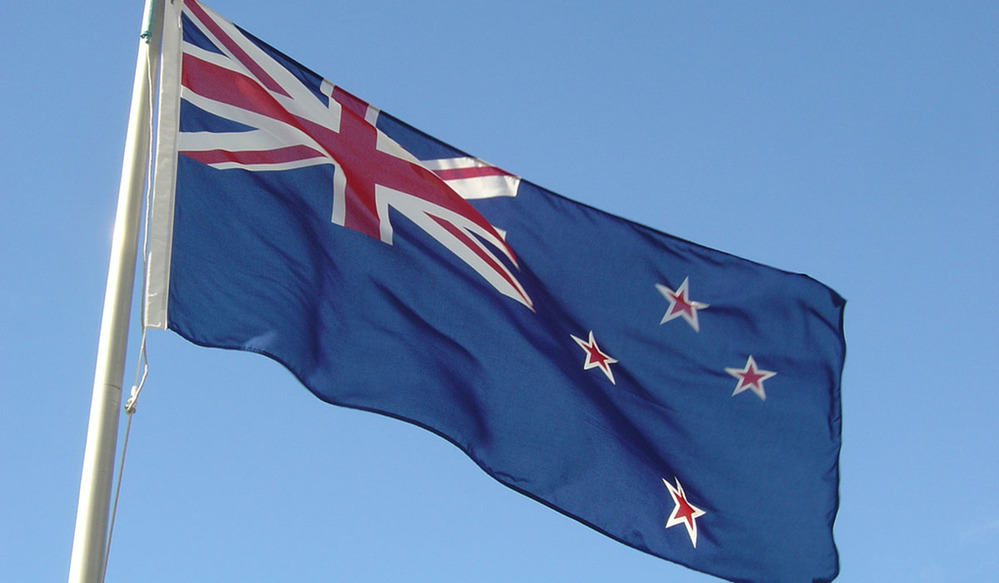
New Zealand.- 1 October 2026 | www.zonadeazar.com New Zealand has moved into the auction stage of its new regulated online casino market, with up to 15 licences available to operators seeking to enter the country.
At the same time, the Department of Internal Affairs, DIA, has published new draft technology requirements setting out how licensed platforms will need to be certified, monitored and protected.
Auction for Up to 15 Licences
The auction began on 29 September and is expected to run for around two weeks.
Participants are competing for the right to submit a full licence application.
Winning at auction does not automatically guarantee a licence, as successful bidders must subsequently complete a comprehensive suitability and compliance assessment.
One Licence Per Brand
Each licence will cover a single brand and the various platforms customers may use to access that brand.
No operator may receive more than three licences through the process.
Licences will be valid for up to three years initially, with the possibility of renewal for a further five years.
Technology Certification
The DIA has released a discussion draft of its Testing and Monitoring Requirements for Online Casino Gambling Technology.
Under the proposed framework, operators must obtain independent certification of their games and platforms within six months of a licence commencing.
Certification will then be required at least annually.
Games and RNG Controls
Before receiving a licence, applicants must submit a full Game and RNG Register.
Every game, including live dealer products, and every Random Number Generator must have been tested by an approved independent laboratory.
The draft identifies GLI Australia, Quality Assurance Laboratories and BMM Australia among the approved testing laboratories.
Existing International Certification
New Zealand may recognise testing already completed in other regulated jurisdictions where it provides sufficient assurance.
The draft specifically refers to testing and certification conducted in the United Kingdom and Ontario, Canada.
This could reduce duplication for international operators already active in regulated markets.
Infrastructure and Critical Suppliers
Applicants will also need to disclose their critical technology providers.
They must identify the location of data centres and cloud-hosting infrastructure used by their operations.
Evidence of ISO 27001 certification or equivalent security assurance will also be required.
Executive Accountability
Once operations begin, the CEO or Chief Compliance Officer must confirm that the operator’s technology meets regulatory requirements.
That assurance will cover infrastructure, operating systems, databases, gaming software and technology supplied by third parties.
Continuous Monitoring
The framework also introduces ongoing monitoring of operator systems and Return to Player performance.
Operators will be required to retain documentation relating to all testing carried out.
Any new game or RNG introduced after launch will need external testing.
Cybersecurity Requirements
Platforms will be subject to regular vulnerability scanning and penetration testing.
Operators will also need controls covering:
- Source-code security.
- Version control.
- Access management.
- Segregation of duties.
- Peer review.
- Separate development, testing and production environments.
Regulatory Timeline
Successful auction participants will be able to submit their licence applications during October.
From 1 December 2026, providers that have not applied for a licence must stop offering online casino gambling in New Zealand.
Operators with applications still under review may temporarily continue operating, but without advertising.
The fully licensed regime is expected to be operational during 2027.
Industry Context
New Zealand is seeking to replace a market largely served by offshore operators with a limited domestic licensing framework.
The model combines controlled market entry with technical, compliance and consumer-protection requirements.
The auction therefore represents one of the final major steps before the regulated system becomes fully operational.
Next Steps or Impact
Attention will first turn to the auction outcome and which operators secure the right to apply for the 15 licences.
The successful bidders will then move into the formal licensing stage, covering business plans, advertising, harm prevention, compliance and technology.
The DIA’s draft requirements indicate that New Zealand intends to launch its regulated market with strong standards around certification, security and continuous monitoring.
Editó: @fonta


