Norway Considers Stricter Restrictions on Prediction Markets
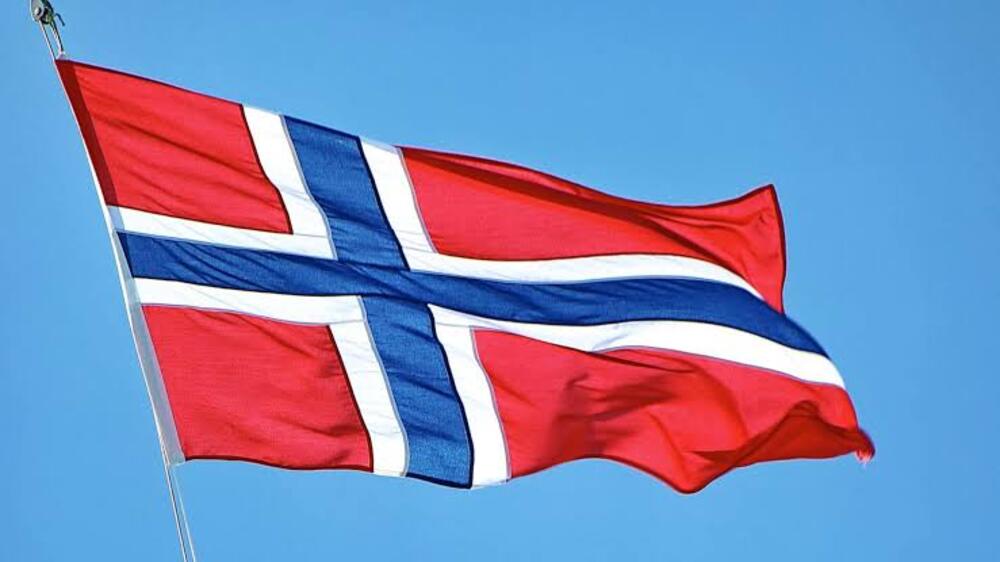
Norway – 24 November 2026 – www.zonadeazar.com Norway’s Parliament (Storting) is reviewing a legislative proposal to strengthen restrictions on prediction markets, particularly platforms offering contracts linked to political events and international conflicts.
The initiative was introduced by the Socialist Left Party (SV) and the Green Party (MDG), although other parliamentary parties maintain that existing legislation already provides sufficient safeguards.
Proposal to Strengthen Regulation
The Norwegian Parliament’s Standing Committee on Family and Cultural Affairs is examining whether additional rules specifically targeting prediction markets are necessary.
Representatives of the SV and MDG argue that the expansion of these platforms requires clearer restrictions on contracts involving elections, wars and other events of public interest.
Their principal concerns involve the risks of market manipulation and insider trading for financial gain.
Parliamentary Majority Opposes Further Restrictions
Representatives of the Labour Party, Christian Democratic Party, Progress Party and Conservative Party have opposed introducing additional legislation.
These parties believe the current regulatory framework already contains sufficient mechanisms to prevent unauthorised gambling activities.
They have therefore advised Parliament to reject the proposal and prioritise enforcement of existing rules.
Kalshi and Polymarket Under Existing Legislation
The Norwegian Gambling Authority (Lottstift) maintains that prediction market platforms, including Kalshi and Polymarket, fall within the country’s gambling legislation.
The existing framework prohibits unauthorised gambling operations, including marketing activities and related payment processing.
Consequently, these platforms cannot legally offer their products to Norwegian consumers without the necessary authorisation.
Debate Over the State Gambling Monopoly
The controversy has also renewed discussions about Norway’s gambling regulatory model.
Pro-licensing representatives from the Progress Party argue that international operators’ interest in the market demonstrates the need to reconsider the existing state monopoly.
They support opening the gambling market to authorised private companies rather than maintaining the current restrictions.
Europe Maintains a Restrictive Approach
The Norwegian debate forms part of a broader regulatory discussion across Europe.
Countries including Belgium, Romania, Lithuania and Spain have introduced restrictions targeting prediction market platforms.
Meanwhile, Gibraltar has developed a dedicated licensing framework for these products, reflecting a different regulatory approach.
Next Steps
Norway’s Parliament has yet to reach a final decision on the proposal introduced by the SV and MDG.
Although the initiative faces opposition from most parties represented on the committee, the debate is expected to continue as prediction markets expand internationally.
For now, Norway’s existing gambling legislation remains in force, with no additional prediction market restrictions approved.
Editó: @fonta

