Women’s World Cup Schedule Remains Intact Despite FIFA – UEFA Crisis
New Zealand.- 29 August 2026 | www.zonadeazar.com The FIFA U-20 Women’s World Cup Poland 2026 remains on schedule despite the escalating institutional crisis between FIFA and UEFA and concerns that the dispute could ultimately affect the participation of some national associations.
New Zealand and France have publicly confirmed that they will compete in the tournament, scheduled from 5 to 27 September, while the Polish Football Association has said it has received no official withdrawal notices and preparations are continuing as planned.
FIFA – UEFA Crisis Reaches Women’s Football Calendar
The U-20 Women’s World Cup will be the first FIFA competition staged since all 55 UEFA member associations unanimously backed the possibility of withholding participation from FIFA tournaments.
The dispute has increased uncertainty across the international calendar and raised questions over whether an escalation could affect women’s and youth competitions.
For now, however, no collective boycott has been confirmed.
New Zealand Confirms Participation
New Zealand Football has confirmed that its Women’s U-20 National Team will travel to Poland.
The federation stressed the importance of the World Cup as a development opportunity for its young players and reaffirmed its commitment to competing.
Its decision follows France, which has also confirmed that it intends to participate under the current circumstances.
Poland Keeps Preparations on Track
The Polish Football Association said tournament preparations remain on schedule and have entered their final phase.
The host federation also confirmed that it has received no official notice from any of the 24 qualified national teams indicating an intention to withdraw.
The competition therefore remains scheduled to take place between 5 and 27 September.
Origins of the Conflict
Tensions between FIFA and UEFA intensified after FIFA President Gianni Infantino proposed separating certain commercial rights connected with the World Cup and selling a 20% stake to private investors.
The plan was intended to raise approximately US$4.2 billion.
Although the proposal was ultimately abandoned, it prompted a strong response within UEFA and deepened a broader dispute over the governance and leadership of international football.
UEFA Maintains Pressure
UEFA has said that the conditions set out by its associations for reconsidering potential non-participation in FIFA competitions have still not been met.
European federations had also expressed a loss of confidence in Gianni Infantino’s presidency.
France, however, has already confirmed its participation in Poland and no European federation has formally withdrawn from the U-20 Women’s World Cup.
Other Teams Yet to Clarify Their Position
England and Canada have yet to publicly confirm their position on the competition.
The United States is also expected to take part in Poland, although U.S. Soccer has declined to comment on the wider institutional dispute.
The absence of public decisions from several associations leaves some uncertainty with less than a month remaining before the tournament begins.
Impact on Women’s Football
The dispute is particularly significant because of the wider international women’s football calendar.
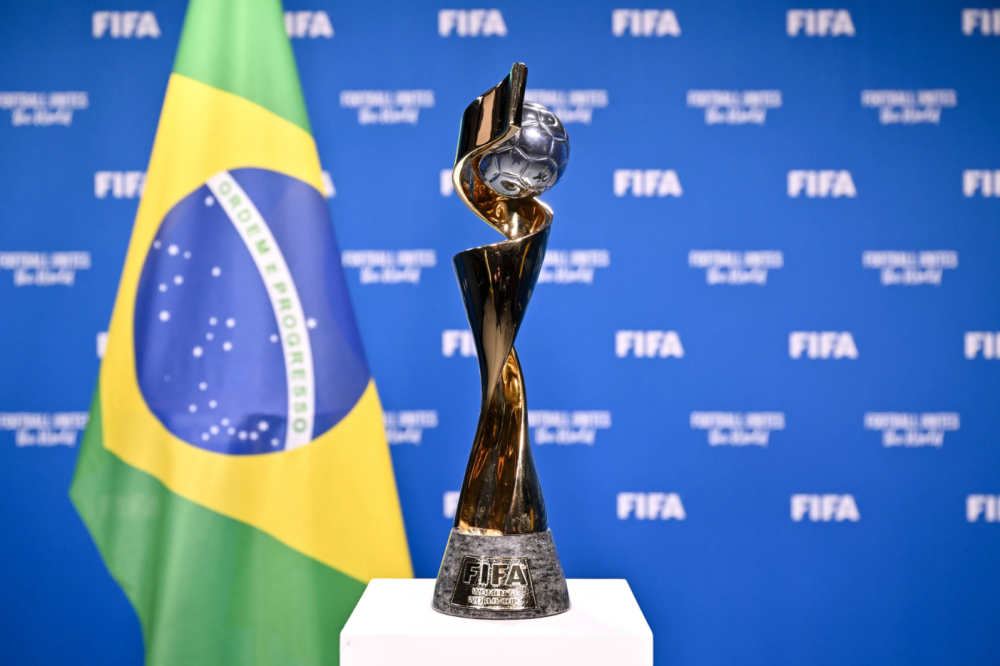
Following the U-20 tournament in Poland, FIFA is due to stage the U-17 Women’s World Cup in Morocco in October, while European national teams will also face commitments linked to qualification for the FIFA Women’s World Cup Brazil 2027.
Any escalation between FIFA and UEFA could therefore have consequences well beyond the tournament in Poland.
Next Steps or Impact
For now, the U-20 Women’s World Cup schedule remains unchanged and Polish organisers are continuing preparations for the opening of the competition.
Confirmation from New Zealand and France has reduced some of the immediate uncertainty, but upcoming decisions by other national associations will be crucial in determining whether the FIFA – UEFA crisis ultimately reaches the sporting calendar.
Poland 2026 is therefore emerging as one of the first concrete tests of how far the institutional conflict could affect international women’s football.
Editó: Cristobal R.


