Brazil’s Betting Ban Contrasts with Latin America’s Regulatory Approach
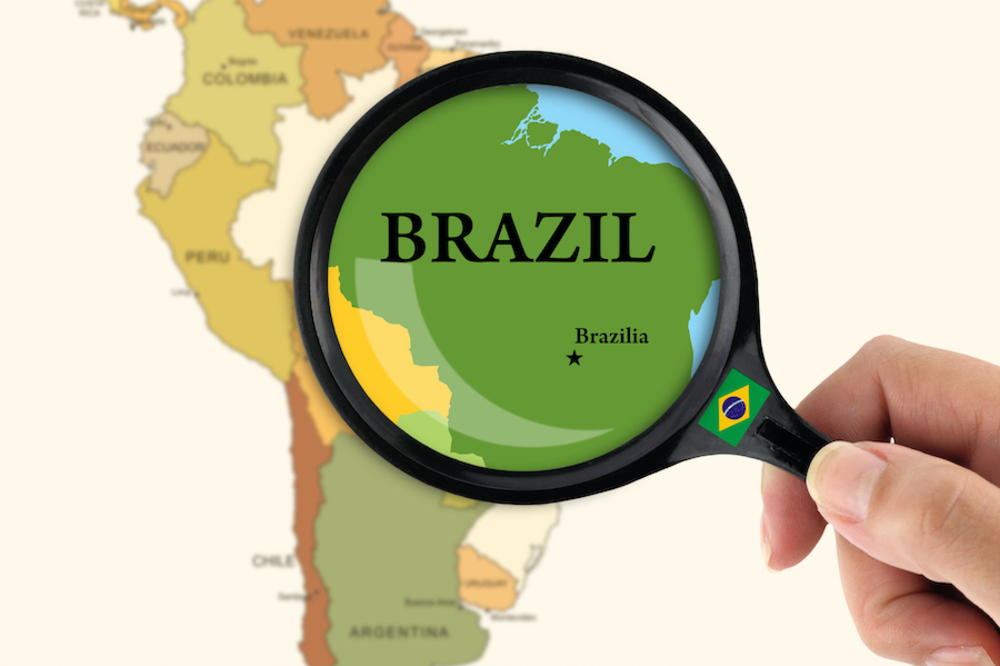
Brazil.- 15 October 2026 | www.zonadeazar.com The decision by President Luiz Inácio Lula da Silva’s government to prohibit sports betting and online casinos in Brazil has triggered renewed debate about the future of the iGaming industry across Latin America.
While Brazil moves towards a restrictive approach, countries including Colombia, Peru, Argentina and Mexico continue operating different licensing and regulatory supervision frameworks.
Legal specialists and industry representatives argue that the prevailing regional trend involves strengthening oversight, combating illegal gambling and improving consumer protection, rather than introducing comprehensive prohibitions.
Brazil Moves Away From Regional Regulatory Trends
Fixed-odds betting was legalised in Brazil in 2018, during Michel Temer’s presidency.
The country subsequently developed a regulatory framework establishing licensing, taxation and operator supervision requirements.
However, the Lula government’s recent decision to suspend sports betting and online casinos represents a significant shift in regulatory policy.
Authorities have justified the measure by expressing concern about household indebtedness and gambling-related harm.
The decision has attracted criticism from industry representatives, who warn about its potential economic consequences and the possibility of pushing consumers towards unlicensed platforms.
Experts Advocate Stronger Regulation
Angie Monroy, a lawyer specialising in Corporate and International Business Law at Scola Abogados, explained that Latin America’s regulatory development does not suggest a broader move towards prohibition.
Instead, countries are introducing increasingly demanding supervision mechanisms.
According to the specialist, these measures include:
- Fraud and money laundering prevention.
- Protection of minors.
- Supervision of licensed operators.
- Advertising restrictions.
- Payment method controls.
- Responsible gambling policies.
Monroy believes Brazil’s decision could influence regulatory discussions elsewhere, although each jurisdiction faces different legal circumstances.
Colombia Maintains a Licensing and Supervision Model
Colombia is one of Latin America’s leading examples of regulated online gambling.
The industry operates under the supervision of Coljuegos, the authority responsible for licensing and monitoring operators.
The framework is based on Law 643 of 2001 and subsequent amendments incorporating sports betting and internet gambling.
Operators must comply with technical, financial, contractual and consumer protection requirements.
Evert Montero Cárdenas, Executive President of Fecoljuegos, warned that banning gambling does not necessarily eliminate the risks associated with it.
According to the industry representative, if consumers continue accessing betting services through illegal platforms, restrictive policies could produce consequences contrary to their intended objectives.
Peru Strengthens Technological Supervision
In Peru, sports betting and online casino operations are regulated through a licensing system administered by the Ministry of Foreign Trade and Tourism (Mincetur).
The framework includes:
- Authorisation of digital platforms.
- Technical certification of gaming systems.
- Audits and security controls.
- Registers of individuals prohibited from gambling.
- Operational reporting requirements.
- Supplier and operator supervision.
The country is also implementing measures to identify and combat unauthorised gambling platforms.
This model seeks to balance commercial activity with regulatory controls and player protection.
Argentina Faces Coordination Challenges
In Argentina, gambling regulation falls under the jurisdiction of individual provinces and the Autonomous City of Buenos Aires.
Each jurisdiction maintains its own rules and regulatory authorities.
Consequently, a platform licensed in one province is not necessarily authorised to operate in another.
According to Angie Monroy, one of Argentina’s principal challenges is improving coordination between different regulatory bodies.
Priorities include:
- Combating illegal gambling websites.
- Establishing advertising and sponsorship controls.
- Strengthening protections for minors.
- Improving cooperation between provincial authorities.
The decentralised structure requires coordinated strategies to supervise an industry operating primarily through digital platforms.
Mexico Faces Pressure to Modernise Legislation
Mexico maintains a restrictive regulatory system based on the Federal Gaming and Raffles Law of 1947 and its implementing regulations.
Supervision is carried out by the Ministry of the Interior through its Directorate-General for Gaming and Raffles.
Certain betting activities can operate with federal authorisation, including remote betting centres accepting wagers on sporting events.
However, specialists believe the existing legal framework requires modernisation to address digital gambling.
The challenge involves updating regulations while preserving effective government supervision.
Chile Considers Establishing a Regulated Market
Unlike Colombia and Peru, Chile does not yet have a general legal framework authorising private online sports betting operators.
The country permits specific authorised gambling activities, including land-based casinos, lotteries and horse racing.
A legislative reform is currently being discussed to establish a regulated online betting market.
The proposed framework includes:
- Operator licensing.
- Specialist regulatory supervision.
- Financial requirements.
- Identification of ultimate beneficial owners.
- Responsible gambling measures.
- Tools to combat illegal operators.
Legal specialists regard the Chilean debate as a structural reform process intended to establish a new regulatory environment.
Ecuador Plans AI-Powered Anti-Money Laundering Controls
In Ecuador, casinos and games of chance are prohibited, while sports betting receives different legal treatment.
The country is preparing new tools to strengthen financial supervision.
From January 2027, the Financial and Economic Analysis Unit (UAFE) plans to use data analytics and artificial intelligence technology from Palantir to identify suspicious transactions.
The initiative aims to improve financial monitoring and detect potential money laundering activity.
José Julio Neira, Secretary of Public Administration, clarified that the objective is to strengthen enforcement rather than introduce a general prohibition on sports betting.
Fecoljuegos Warns About Illegal Market Expansion
Evert Montero Cárdenas, representing Fecoljuegos, believes regulatory decisions should consider their medium- and long-term consequences.
He argues that widespread prohibitions could lead to:
- Migration towards unlicensed gambling operators.
- Reduced tax revenue.
- Job losses.
- Lower investment.
- Difficulties tracing financial transactions.
- Negative effects on sports sponsorship.
The organisation therefore advocates stronger cooperation between regulators, financial institutions and technology companies.
It also supports effective sanctions and improved mechanisms for blocking illegal gambling operations.
Betano Calls for Active Regulatory Supervision
Violeta Miano, Latin American spokesperson for Kaizen Gaming, the company behind Betano, has also expressed concern about returning to prohibition-based policies.
She argues that such an approach could weaken consumer safety and reduce public revenue generated by licensed operators.
Miano also highlighted potential consequences for sporting ecosystems, particularly those benefiting from sponsorship agreements.
Kaizen Gaming believes sustainable consumer protection requires robust regulation, rigorous enforcement and active supervision.
This position is consistent with other industry representatives who favour strengthening regulatory mechanisms over eliminating legal gambling services altogether.
Taxation and Consumer Protection
Another central issue concerns the relationship between gambling taxation and the competitiveness of licensed operators.
Governments aim to generate public revenue and finance consumer protection mechanisms, but must also consider the impact of taxation on market conditions.
According to Angie Monroy, achieving an effective balance requires dialogue between public authorities, regulated businesses and responsible gambling specialists.
Excessively restrictive taxation could undermine the competitiveness of licensed operators relative to illegal platforms.
Conversely, insufficient regulation may weaken efforts to prevent fraud, money laundering and gambling-related harm.
Next Steps and Impact
Brazil’s decision introduces a new dimension to the debate surrounding iGaming regulation in Latin America.
While Brazil adopts prohibition measures, Colombia and Peru continue strengthening licensing systems, Argentina faces inter-jurisdictional coordination challenges, and Chile is considering the creation of a regulated market.
Industry representatives warn that comprehensive prohibitions could weaken enforcement if consumers migrate towards illegal operators.
However, concerns about household debt, public health and the protection of minors remain important considerations for policymakers.
The central challenge will be determining which regulatory approaches can reduce gambling-related risks while preserving effective government oversight.
Developments in Brazil could influence future legislative and regulatory discussions across other Latin American markets.
Editó: @fonta


