Brazil’s Supreme Court Could Jointly Review Gambling Ban and Bets
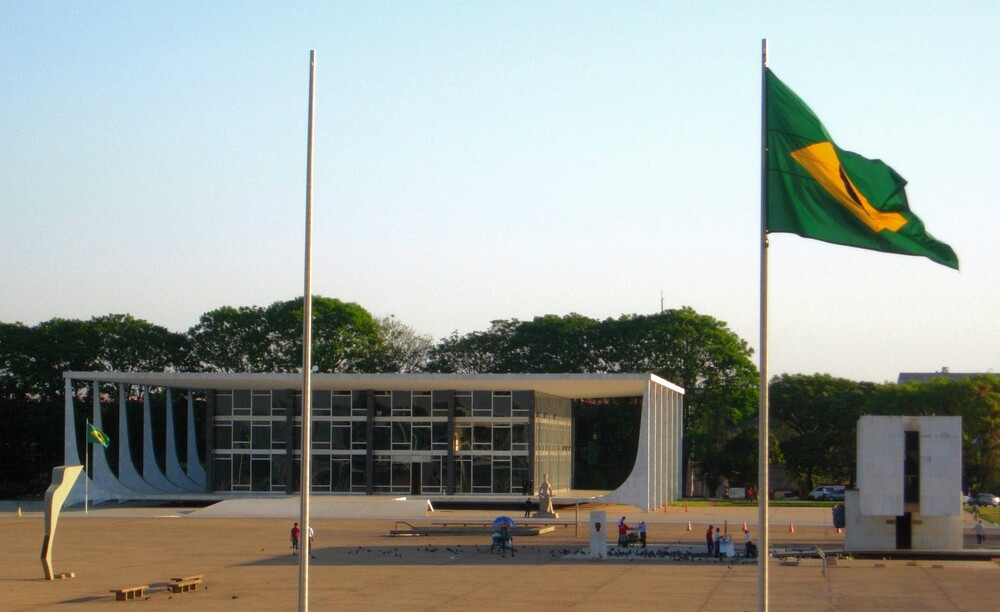
Brazil.- 9 September 2026 | www.zonadeazar.com Brazil’s Supreme Federal Court could resume from November a case with significant implications for the future of the country’s gambling and betting market.
The Court is considering whether the prohibition on physical games of chance established under Brazilian legislation in 1941 remains compatible with the Constitution.
Following a request for additional review by Justice Flávio Dino, proceedings were suspended and the Plenary agreed to consider the case alongside two constitutional actions challenging aspects of Brazil’s fixed-odds betting legislation.
Broader Review of Gambling
Flávio Dino argued that the Supreme Court should adopt a broader approach to different forms of betting before establishing a definitive constitutional position on traditional games of chance.
The Justice questioned whether fixed-odds betting can be fully separated from the prohibition contained in Brazil’s Misdemeanours Law.
His intervention opens the possibility that the Court will examine the relationship between the historic gambling ban and the country’s newly regulated betting market.
ADIs 7721 and 7723
The Plenary agreed to delay completion of the case so it can be considered alongside Direct Actions of Unconstitutionality 7721 and 7723.
The actions were brought respectively by:
- The National Confederation of Trade in Goods, Services and Tourism (CNC).
- The Solidariedade political party.
Both challenge aspects of Brazil’s Betting Law, Law 14,790/2023.
Flávio Dino’s Position
During the August hearing, Dino argued that the Court needs to clarify a fundamental legal distinction.
If certain activities are considered games of chance and remain criminalised as misdemeanours, the Court must explain how that position is compatible with a legal market for fixed-odds betting.
The issue could influence the future constitutional treatment of different gambling and betting verticals.
Luiz Fux Votes to Maintain Ban
Before proceedings were suspended, reporting Justice Luiz Fux was the only member of the Court to cast a vote.
Fux supported keeping the 1941 prohibition in force.
He argued that gambling can involve risks related to individuals’ ability to properly assess probabilities and the consequences of their decisions.
The Justice also noted that certain features of betting products can intensify compulsive behaviour and therefore require heightened attention from public authorities.
Origin of the Case
The dispute reached the Supreme Court following an appeal by the Public Prosecutor’s Office of Rio Grande do Sul.
The case originated after a man accused of operating games of chance was acquitted by lower courts.
Arguments challenging the prohibition include the substantial changes in social values since the legislation was introduced more than eight decades ago.
Ban Dating Back to 1941
The prohibition on certain games of chance is contained in Brazil’s Misdemeanours Law.
The constitutional case seeks to determine whether this historic restriction remains compatible with Brazil’s current legal, social and economic environment.
The existence of a regulated national market for sports betting and online gaming adds a new dimension to that assessment.
More Than 2,700 Cases Could Be Affected
The eventual Supreme Court ruling will extend far beyond the individual dispute.
According to the Court itself, more than 2,700 cases across different levels of the Brazilian judiciary could be affected by the constitutional precedent.
This makes the proceeding one of the most significant legal developments for Brazil’s gambling industry.
Fixed-Odds Bets and Physical Gambling
Regulation of fixed-odds betting has created a legal environment in which certain forms of wagering are authorised and regulated while traditional gambling activities remain prohibited.
A joint review could require the Court to provide clearer constitutional criteria for that distinction.
The judges may need to consider the relationship between:
- The historic prohibition on games of chance.
- Federal regulation of fixed-odds betting.
- Consumer protection.
- Government regulatory authority.
- Constitutional principles applying to both sectors.
Broader Than a Legalisation Decision
The case does not automatically amount to a general legalisation of casinos, bingo halls or other land-based gambling products.
The Supreme Court is specifically assessing the constitutionality of the existing prohibition and how it relates to Brazil’s current legal framework.
Any eventual ruling would still need to be considered alongside Congress’s legislative authority and applicable regulatory rules.
Industry Context
Brazil is undergoing a major transformation of its betting market.
Following implementation of the federal fixed-odds betting framework, the country now has a regulated national market while legislative debate over other forms of gambling continues.
A joint Supreme Court assessment would introduce an important constitutional dimension into the wider restructuring of the sector.
Next Steps or Impact
Proceedings could resume from November 2026.
The Court will continue examining the challenge to the physical gambling ban while also addressing the constitutional actions concerning Law 14,790/2023.
The eventual decision could establish significant parameters governing the relationship between land-based gambling, online betting and the regulatory powers of the Brazilian state.
With more than 2,700 legal proceedings potentially affected, the outcome could have broad consequences across Brazil’s gambling and betting ecosystem.
Editó: @fonta


