Alberta Generates C$122.1 Million in First 80 Days of Regulated iGaming
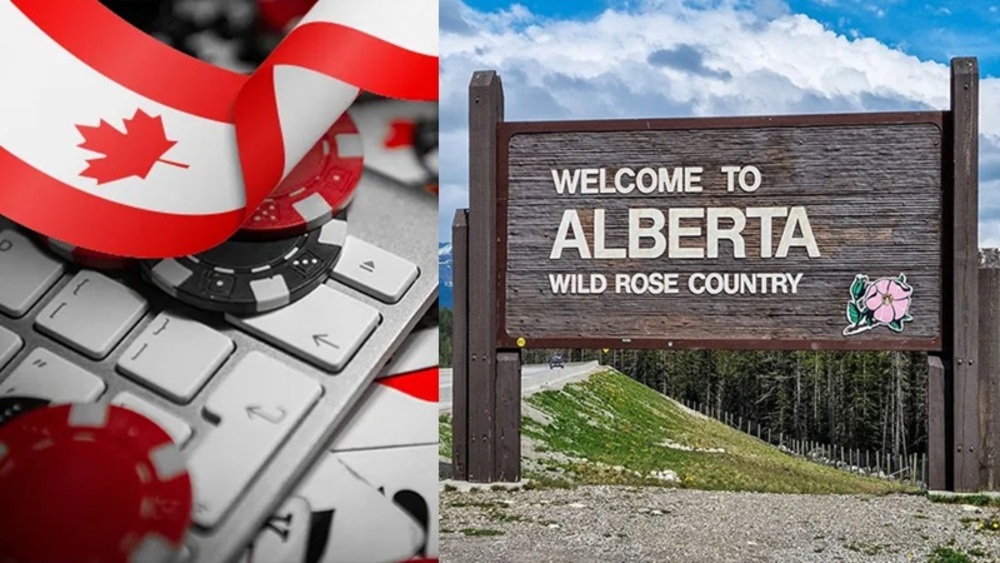
Canada – 27 November 2026 – www.zonadeazar.com Alberta’s regulated iGaming market generated C$122.1 million in gross gaming revenue (GGR) during its first 80 days of operation following its launch on 13 July 2026. The Canadian province also recorded 388,585 active player accounts and more than 50 approved brands, while regulators work towards transferring 75% of previously unregulated gambling activity into the legal market within two years.
Alberta Establishes Its Regulated Market
The market opening ended the previous landscape dominated by PlayAlberta, the government-operated platform that historically accounted for between 23% and 32% of player activity.
The new framework allows licensed private operators to provide online gambling services under provincial supervision.
By 30 September, the industry had generated C$122.1 million in non-adjusted GGR and recorded 388,585 active player accounts.
According to the Alberta Gaming, Liquor and Cannabis Commission (AGLC), 53 authorised gambling sites are currently available to consumers.
A Dual-Oversight Regulatory Model
Alberta has introduced a regulatory structure that separates responsibilities between two organisations.
The AGLC is responsible for licensing, regulatory enforcement and compliance supervision.
Meanwhile, the Alberta iGaming Corporation (AiGC) manages commercial market operations and agreements with licensed operators.
This structure differs from Ontario’s approach and aims to establish clear accountability between regulatory oversight and commercial management.
Operators Retain 80% of Net Revenue
The province’s fiscal framework establishes an 80/20 net revenue split in favour of operators.
However, a 3% deduction is applied to gross gaming revenue before the distribution takes place.
Of that amount, 2% is allocated to First Nations initiatives, while 1% supports social responsibility programmes and gambling research.
Consequently, the effective operator tax burden is approximately 22.4% of GGR, compared with Ontario’s 20%.
Alberta also has a lower legal gambling age of 18, compared with 19 in Ontario.
Targeting 75% Channelisation of Unregulated Gambling
One of Alberta’s main objectives is to reduce gambling activity taking place through offshore platforms operating without provincial authorisation.
Before market liberalisation, approximately 70% of betting activity was directed towards unregulated websites.
The AiGC aims to move 75% of this activity into the regulated market within its first two years.
Dan Keene, CEO of the corporation, welcomed the preliminary results and highlighted operators’ commitment to building a safe and sustainable environment.
Authorities believe that regulation will provide stronger consumer protections and greater accountability across the industry.
Fines of Up to C$100,000 for Unlicensed Operations
The mandatory transition period for operators ended on 13 October 2026.
Since then, registered businesses continuing to accept Alberta customers through unauthorised websites may face financial penalties.
A first violation carries a C$50,000 fine, while a second offence may result in a C$100,000 penalty.
A third violation can lead to a hearing before the regulatory board.
The AGLC clarified that its direct enforcement authority applies to businesses registered within the province.
Cases involving other illegal operators may also be referred to the relevant police authorities.
Advertising Restrictions and Responsible Gambling
The industry’s expansion has been accompanied by concerns regarding the volume of gambling advertising.
Both the AGLC and AiGC have acknowledged public criticism and confirmed that marketing practices will remain under review.
Bonuses, deposit matches and other promotional incentives may only be advertised through operators’ own platforms or direct communications with customers who have opted in.
Active and retired athletes and celebrities are also prohibited from appearing in commercial gambling advertisements, except in responsible gambling messages.
Operators must additionally provide information about age restrictions, geographical availability and player support services.
Self-Exclusion and RG Check Accreditation
The province operates a centralised self-exclusion programme administered by the AGLC.
Licensed operators must also provide tools allowing customers to set spending and time limits, alongside voluntary cooling-off periods.
In February, the regulator partnered with the Responsible Gambling Council (RGC) to make RG Check accreditation mandatory for all authorised online gambling sites.
Operators must maintain this certification throughout their operations.
Businesses already accredited in other jurisdictions may benefit from a streamlined approval process.
Prediction Markets Remain Under Regulatory Scrutiny
Prediction markets represent another area of regulatory attention.
In March, the AGLC prohibited betting on political events, including elections, by-elections and leadership contests.
At federal level, restrictions on event contracts limit their scope to certain economic, environmental and financial indicators.
Polymarket blocked access from Alberta before the regulated market officially opened.
Next Steps for Alberta’s iGaming Industry
Over the coming months, the AiGC and AGLC will prioritise onboarding additional operators, monitoring regulatory compliance and strengthening responsible gambling education.
Authorities will also continue assessing advertising practices and potential opportunities to expand retail sports betting at land-based casinos and racetracks.
Another area under consideration is PlayAlberta’s long-term commercial position as it competes with licensed private brands.
With more than C$122 million generated during its first 80 days, Alberta is beginning to establish its competitive regulatory model, although the reform’s long-term success will also depend on reducing illegal gambling and maintaining effective player protections.
Edited by: @fonta

