BOS Calls for Reform of Gambling Enforcement and Sanctions in Sweden
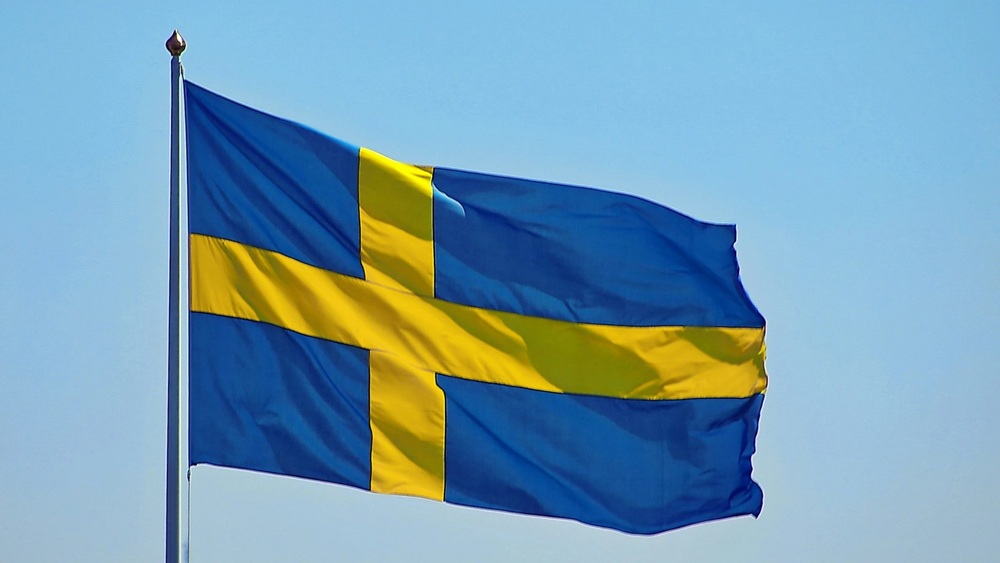
Sweden.- 29 October 2026 | www.zonadeazar.com The Swedish Trade Association for Online Gambling (BOS) has called for a review of the supervisory and enforcement procedures used by Spelinspektionen, Sweden’s gambling regulator.
The proposal follows a report prepared by law firm Nordic Legal, comparing the regulator’s practices with those of other Swedish public authorities.
According to BOS, Spelinspektionen adopts an excessively formalistic approach and imposes proportionally harsher sanctions than comparable agencies. The trade association is advocating a more risk-based supervisory framework that evaluates licensed operators’ overall compliance systems.
Report Compares Four Regulatory Authorities
Published on 27 October 2026, the study examines differences between Spelinspektionen and three other Swedish institutions:
- Swedish Financial Supervisory Authority (Finansinspektionen): responsible for financial sector oversight.
- Swedish Schools Inspectorate: responsible for supervising education.
- Stockholm County Administrative Board: a public authority with administrative supervisory responsibilities.
The report identifies differences in how these agencies assess breaches, evaluate risks and determine financial penalties.
BOS believes their supervisory practices could provide useful guidance for improving oversight of Sweden’s regulated betting and online casino market.
BOS Questions the Proportionality of Financial Penalties
One of the report’s main concerns relates to the criteria used to determine financial sanctions.
According to BOS, Spelinspektionen imposes penalties representing a higher proportion of the maximum legally available amount than those generally applied by other authorities.
The analysis indicates that the Financial Supervisory Authority has imposed penalties below approximately 20%-27% of the available sanction range, while Stockholm County Administrative Board has applied rates below 5%.
BOS argues that financial penalties should be more closely aligned with the severity of the violation, the risks involved and the financial circumstances of the operator.
Anti-Money Laundering Supervision Under Scrutiny
The report also questions Spelinspektionen’s approach to monitoring compliance with anti-money laundering (AML) obligations.
BOS advocates moving away from an emphasis on individual administrative errors towards a broader assessment of each company’s internal control systems.
Such an approach would examine:
- Company-wide risk assessments.
- Internal compliance procedures.
- Customer identification and monitoring systems.
- Corporate governance arrangements.
- The operator’s ability to detect and manage suspicious transactions.
According to the association, considering these factors collectively would provide a more accurate understanding of the effectiveness of preventive measures.
Eleven of Twelve Decisions Based on Small Samples
One of the report’s most significant findings concerns the customer records examined during regulatory inspections.
BOS states that 11 of the 12 enforcement decisions reviewed, relating to Sweden’s 2021 anti-money laundering legislation, relied on samples of just five to fifteen customer files.
The association argues that these assessments did not sufficiently consider the operators’ broader risk management models.
In its view, errors identified in individual files do not always provide a complete picture of the effectiveness of a company’s compliance framework.
However, examining individual cases also remains an important supervisory tool for identifying breaches that licensed businesses are required to prevent.
Differences in Senior Management Assessments
Nordic Legal also identified differences in how regulators assess individuals holding senior management positions.
According to the study, Spelinspektionen places considerable emphasis on whether the required documentation is submitted within established deadlines.
Other public authorities, by contrast, place greater weight on assessing the suitability and professional qualifications of the individuals concerned.
BOS believes supervisory procedures should focus more closely on the risks associated with corporate governance and management responsibilities.
The proposal does not call for eliminating documentation requirements, but rather reconsidering their relative importance in regulatory decisions.
Statements From BOS Secretary General
Gustaf Hoffstedt, Secretary General of BOS, called for changes to the regulator’s approach.
“We believe that the licensed gambling market in Sweden would benefit if the Swedish Gambling Authority were to adopt working methods more closely aligned with those of other Swedish government agencies,” he stated.
Hoffstedt argued that such changes would establish a more risk-based supervisory system.
According to the trade association, this approach could strengthen anti-money laundering efforts and improve other areas of regulatory oversight.
He also expressed hope that the report would provide a useful foundation for future reforms.
Channelisation Remains a Concern
The proposals come amid concerns about the proportion of gambling activity taking place through licensed operators in Sweden.
According to the latest figures cited by BOS, the overall channelisation rate stands at 84%.
However, there are significant differences between market segments:
- Overall gambling market: 84%.
- Sports betting: 95%.
- Online casinos: 68%.
These figures indicate that unlicensed operators account for a considerably larger proportion of online casino activity.
BOS argues that certain regulatory requirements may weaken licensed companies’ ability to compete with offshore and unauthorised gambling platforms.
Sweden’s Regulatory Framework Since 2019
Sweden introduced its licensing system for private online gambling operators in January 2019, ending much of the previous state monopoly structure.
Since then, Spelinspektionen has been responsible for overseeing licence conditions, consumer protection and compliance with financial crime prevention obligations.
The regulator also has the authority to issue warnings, financial penalties and other enforcement measures where breaches occur.
BOS acknowledges the importance of these responsibilities but maintains that supervisory procedures should be more closely aligned with those of other Swedish authorities.
The debate therefore concerns the methods used to enforce regulation rather than the removal of regulatory controls.
Industry Impact and Next Steps
The Nordic Legal report introduces new proposals into the debate over Sweden’s regulated gambling market.
Its principal recommendations include greater proportionality in financial penalties, comprehensive assessments of anti-money laundering systems and revised procedures for evaluating senior management.
The findings represent BOS’s position and do not constitute regulatory changes approved by Spelinspektionen.
The association is seeking a more risk-based supervisory framework, combining proportionate sanctions with a broader assessment of licensed operators’ compliance systems.
No official regulatory reform resulting from the report has been announced.
Edited by: @fonta


