Brazil: The Sports Betting Industry Managed to Present Its Case Before the Supreme Court

Brazil.- 04 November 2026 www.zonadeazar.com Editorial conclusion for Zona de Azar®: The industry managed to present before the Supreme Court the economic and legal consequences of the ban, but the position expressed by Fux confirms that health-related and social arguments will continue to play a central role in the judicial decision.
Justice Luiz Fux stated this Tuesday, 3 November, during the opening of a public hearing at the Federal Supreme Court (STF) on the ban on online betting in Brazil, that he has the perception that betting should be prohibited. However, he indicated that a minimum agreement or a modulation of the effects of the decision will be necessary in order to avoid legal uncertainty. The Justice is the STF rapporteur for cases related to online betting in the country.
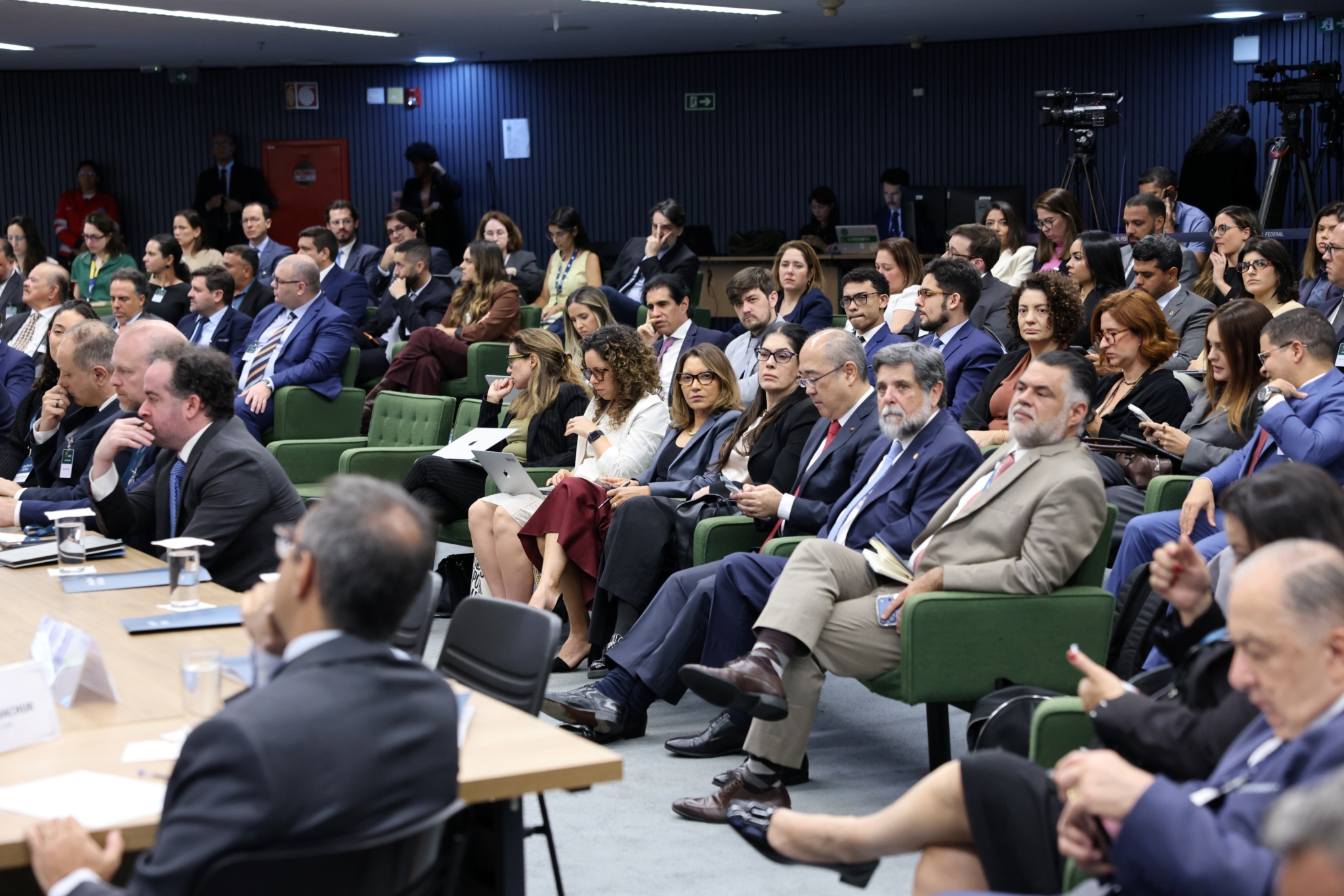
In response to criticism from the press, civil society and social media regarding the support for betting expressed by the majority of the panellists, Fux stated that he had already held another public hearing in December 2024, in which issues such as gambling addiction, non-payment and others were addressed.
JOTA PRO Poder monitors the three branches of government with scenario analysis and signals to help your organisation anticipate decisions. Click here to find out more about the service.
According to the rapporteur, these matters have already been addressed, and the second meeting became necessary בעקבות new developments, such as the enactment of the presidential decree by Luiz Inácio Lula da Silva that banned betting in Brazil.
According to Fux, after the measure, other actions followed and the parties raised further issues, such as the need for a provisional measure, the loss of confidence in public authorities, the increase in illegal gambling and the legal uncertainty surrounding signed contracts.
Among the football clubs, entities and organisations taking part in the debate, 21 support the resumption of activities in the sector, while six advocate prohibition.
Following the initial list, Fux added the Ministries of Health and Justice, as well as the Brazilian Supermarket Association (Abras), as panellists.
Hours before the hearing, President Lula posted on social media that civil society should pay attention to the meeting at the Federal Supreme Court (STF) because it included more speakers in favour of betting. The President defended his measure, claiming that improvements had been seen in society and the economy, such as increased consumption in supermarkets. Present at the hearing were the First Lady, Rosângela Lula da Silva, and cultural producer Paula Lavigne, wife of singer Caetano Veloso.
Fux reminded everyone that this concerned only one vote and that he should provide the greatest possible amount of information to the panel. “I made sure to hear all parties,” he said.
The rapporteur recalled the ruling on Topic 924, concerning the validity of the sanction for operating games of chance in public places, which was suspended following a request for review by Justice Flávio Dino. At that time, Fux rejected including betting within this thesis, a position defended by Dino and other Justices, such as Dias Toffoli.
The public hearing held this Tuesday at the Federal Supreme Court (STF), under the guidance of Justice Luiz Fux, generated extensive coverage in the main Brazilian media outlets. The debate over Provisional Measure 1.394/2026 set the Government’s public health arguments against the economic and legal warnings raised by the betting and football industries.
According to CNN Brasil, at least 22 of the 34 invited participants had previously expressed opposition to the ban. For its part, Brasil de Fato questioned the composition of the hearing, pointing to the greater representation of sectors interested in restoring the activity.
Agência Brasil and SBT News highlighted Fux’s remarks, in which he expressed his view that betting should be prohibited, although he made clear that the final decision will have to be adopted by the court. The Justice also recalled warnings about gambling addiction, family indebtedness and other social harms raised in previous hearings.
From an economic perspective, Folha de S.Paulo and iGaming Brazil focused their attention on football clubs. Flamengo estimated annual losses of R$ 430 million, while other institutions warned of interrupted contracts, jobs at risk and difficulties in replacing income derived from sponsorships.
JOTA, which specialises in legal affairs, underlined concerns over legal certainty and the possibility of establishing transition mechanisms to avoid abrupt consequences for previously granted contracts and authorisations.
In a more critical reading, UOL columnist Pedro Lopes acknowledged the legitimacy of some economic claims, but questioned the clubs’ attempts to attribute their financial problems exclusively to the ban on betting. He also pointed to football’s limited preventive action during the years of expansion in the sector.
Finally, Rádio Nacional reflected the contrast between the clubs, which defended the continuation of regulated betting, and the Government, which insisted on the risks to public health, household finances and security.
Overview of the Day
The coverage by the nine media outlets shows that Brazil is facing a debate that goes beyond the commercial continuity of betting. The discussion includes consumer protection, contract stability, sports funding, the rights of authorised companies and the consequences of a general ban.
The hearing ended without a judicial decision altering the ban currently in force. The matter will continue its course before the STF, while Congress is also analysing the future of the provisional measure.
Media outlets consulted: CNN Brasil, Agência Brasil, iGaming Brazil, JOTA, UOL, Brasil de Fato, Folha de S.Paulo, Rádio Nacional and SBT News.
@_fonta


