CFTC Sues Utah to Defend Federally Regulated Prediction Markets
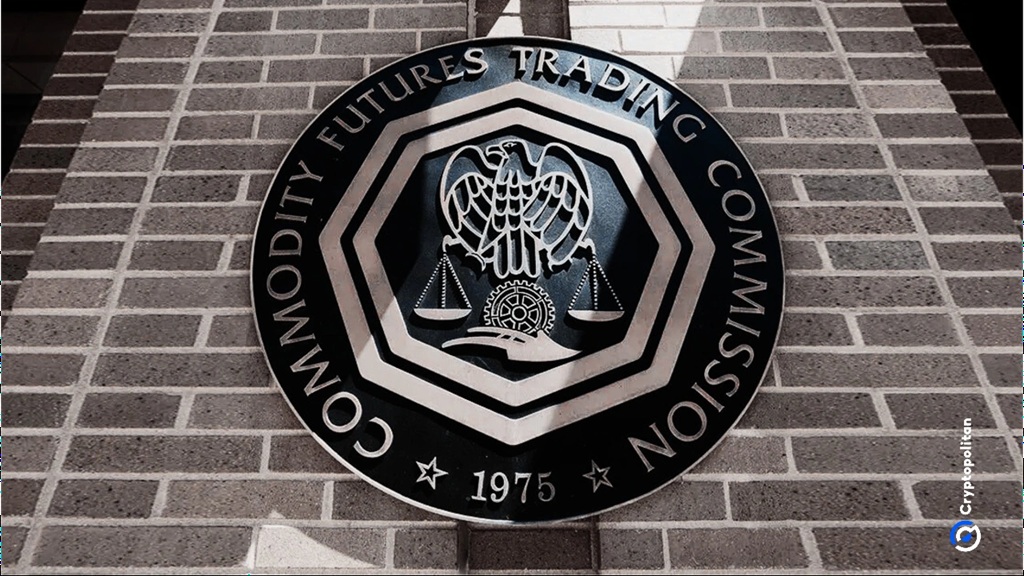
United States.- 28 October 2026 | www.zonadeazar.com The US Commodity Futures Trading Commission (CFTC) has filed a federal lawsuit against Utah and Attorney General Derek Brown, seeking to prevent state authorities from enforcing gambling laws against federally regulated prediction markets.
The legal action, filed on 26 October 2026, follows Utah’s lawsuit against Kalshi and several companies associated with its operations.
The dispute represents another significant development in the ongoing conflict between federal and state regulatory authority over sports event contracts and other prediction market products.
CFTC Defends Its Regulatory Authority
The federal complaint argues that Utah exceeded its authority by attempting to restrict financial products traded on CFTC-regulated exchanges.
The regulator maintains that the Commodity Exchange Act (CEA) establishes a federal derivatives framework that takes precedence over conflicting state legislation.
According to the filing, Utah’s actions interfere with the regulatory system established by Congress to oversee US derivatives markets.
The CFTC is seeking preliminary and permanent injunctions preventing the Attorney General from enforcing state gambling laws against companies operating federally regulated exchanges.
Utah Accuses Kalshi of Illegal Gambling
On 20 October, Attorney General Derek Brown filed a lawsuit against Kalshi, its affiliates and liquidity providers, alleging that they facilitated gambling activities prohibited under Utah law.
The state argues that contracts linked to sporting events, elections and other outcomes constitute gambling and must comply with local regulations.
The companies involved include:
- Kalshi and its affiliated entities.
- Kalshi Trading, which provides market liquidity.
- Susquehanna International and related companies.
Utah’s lawsuit seeks to stop the disputed activities and recover profits allegedly generated through unlawful gambling operations.
Utah Maintains Strict Gambling Restrictions
Utah has some of the strictest gambling restrictions in the United States.
Alongside Hawaii, the state does not permit commercial casinos, legal sports betting or state lotteries.
This regulatory approach has generated disputes with platforms that classify event contracts as financial instruments rather than traditional gambling products.
Utah authorities maintain that Kalshi’s financial classification does not change the underlying nature of the transactions offered to consumers.
Background to the Legal Dispute
The disagreement between Kalshi and Utah intensified throughout 2026.
Key developments include:
- 17 February: Governor Spencer Cox criticised prediction markets and warned of potential legal action.
- 23 February: Kalshi sued Utah seeking protection against enforcement measures.
- 4 March: both parties agreed to pause proceedings while discussions continued.
- 4 August: a federal judge rejected Kalshi’s request for a preliminary injunction.
- 8 September: the Tenth Circuit declined to grant interim relief pending Kalshi’s appeal.
- 20 October: Utah filed a new lawsuit against Kalshi and related companies.
- 26 October: the CFTC launched its own federal legal action against Utah.
The latest filing brings the national derivatives regulator directly into a dispute that has already involved several months of litigation.
Utah Becomes the Tenth State Targeted by the CFTC
The lawsuit marks the CFTC’s tenth legal intervention against state authorities in defence of prediction markets.
The regulator began pursuing similar cases in April 2026, initially taking action in Arizona, Connecticut and Illinois.
These proceedings highlight competing legal interpretations of sports event contracts.
While state authorities argue that certain products constitute gambling, the CFTC maintains that they may qualify as financial derivatives governed by federal legislation.
Statements From the CFTC Chairman
CFTC Chairman Michael S. Selig defended the regulator’s intervention and its responsibility for federally supervised markets.
“The CFTC will continue to safeguard its exclusive regulatory authority over these markets and defend market participants against overzealous state regulators,” he stated.
The regulator believes a consistent federal framework is necessary to prevent exchanges from facing conflicting requirements across different jurisdictions.
Illinois Recognises Sports Contracts as Derivatives
The lawsuit comes amid conflicting decisions from federal courts.
In October, Illinois federal judge Martha Pacold found that certain Kalshi sports contracts may qualify as swaps under the Commodity Exchange Act.
The decision provides support for the legal interpretation advanced by Kalshi and the CFTC.
However, courts in other jurisdictions have reached different conclusions.
Disagreements have also emerged in proceedings involving the Third, Sixth and Ninth Circuits, where prediction market cases have produced varying interpretations.
New Federal Rules for Event Contracts
The CFTC has also opened a public consultation process aimed at clarifying the regulatory treatment of event contracts.
The proposal seeks to expressly classify certain categories, including sports event contracts, as derivatives governed by federal law.
At the same time, the regulator is developing provisions to distinguish these instruments from traditional casino and sportsbook products.
Kalshi argues that state authorities and courts should consider the ongoing rulemaking process before introducing further restrictions.
Industry Impact and Next Steps
The federal court must assess the CFTC’s request and determine whether Utah should be prevented from enforcing its gambling laws against federally supervised prediction market exchanges.
The ruling could influence other proceedings involving disputes over regulatory jurisdiction.
The growing disagreement may also increase calls for the US Supreme Court to intervene and establish a consistent interpretation of federal law.
The outcome could help determine the extent to which individual states may restrict event contracts traded on federally regulated exchanges, a central question for Kalshi and the wider US prediction market industry.
Edited by: @fonta


