Online Betting Moves to Centre of Brazil’s Election Campaign
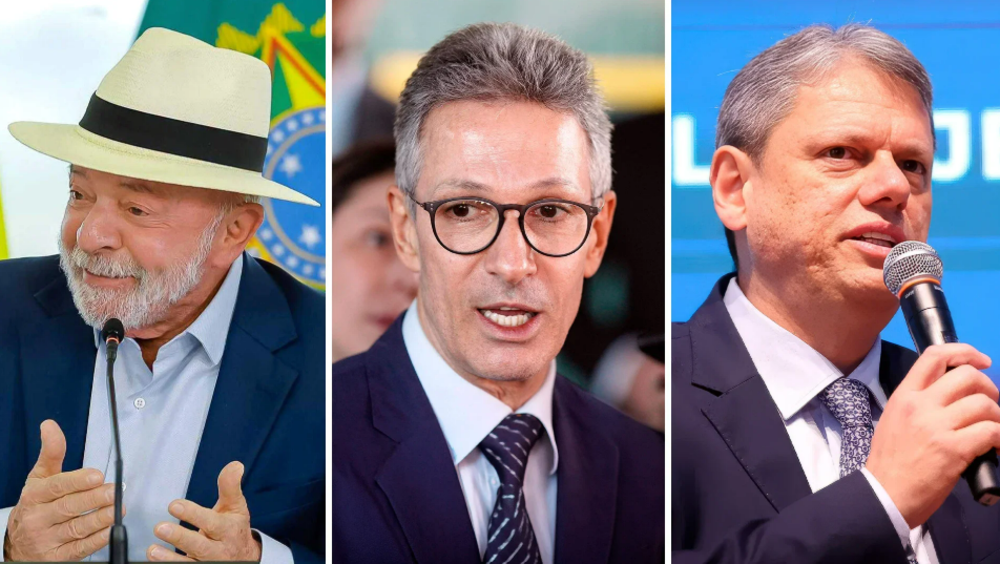
Brazil.- 26 August 2026 | www.zonadeazar.com Online betting has emerged as a significant issue in Brazil’s 2026 election campaign, with presidential candidates and political figures proposing measures ranging from tougher restrictions and higher taxation to a complete ban on the sector.
The debate increasingly links betting with household debt, mental health concerns, reduced consumer spending in traditional retail and the protection of vulnerable groups.
Lula Again Raises Possible Ban
President Luiz Inácio Lula da Silva, who is seeking re-election, has once again publicly questioned whether the regulated betting market should continue.
During an interview on 14 August, he said that if no social justification could be demonstrated for maintaining betting, its elimination should be considered.
Lula acknowledged that such a move would face resistance in Congress.
Market Was Regulated Under Current Government
The harder rhetoric comes little more than a year and a half after Brazil’s national regulated fixed-odds betting market came into force.
The framework was consolidated under the current administration through Law 14,790/2023.
Lula’s Government also created the Secretariat of Prizes and Betting in 2024 as the Ministry of Finance body responsible for regulating and supervising the sector.
Lula Programme Focuses on Controls
Despite his public comments, Lula’s formal government programme does not propose an outright betting ban.
It pledges to continue monitoring the impact of gambling on household debt, preserve controls on excessive online betting expenditure and improve rules covering product availability and responsible lending.
The programme also proposes strengthening professional teams and strategies dedicated to gambling-related problems.
Flávio Bolsonaro Focuses on Household Debt
Senator Flávio Bolsonaro has also included betting within his presidential platform.
His programme argues that gambling can consume household resources before essential expenses are met, particularly affecting lower-income consumers.
He proposes preventing social-benefit resources from being used for gambling and introducing educational campaigns addressing gambling-related debt risks.
Social-Benefit Funds Already Restricted
The use of Bolsa Família and Benefício de Prestação Continuada funds for betting is already prohibited.
Part of Bolsonaro’s proposal therefore involves preserving and strengthening existing controls.
His campaign has not yet publicly determined whether it will support a complete ban on betting.
Zema Proposes Ban from First Day
Romeu Zema has adopted a more direct position.
He has said he intends to prohibit betting operations in Brazil from his first day in office through a provisional measure.
His argument is that an industry should not generate profits from financial and social harm affecting families.
Renan Santos Also Supports Ban
Renan Santos has similarly backed ending the online betting market.
His position means outright prohibition is now explicitly among the policy options being discussed during the presidential campaign.
For the regulated industry, the possibility of reversing the current framework has therefore become a political risk to monitor.
Augusto Cury Proposes Very High Taxes
Augusto Cury has taken a different approach.
He supports imposing extremely high taxation on betting as a way of discouraging participation.
He has not yet specified a tax rate, making the potential financial impact on operators unclear.
Caiado Targets Advertising
Ronaldo Caiado proposes restricting online betting advertising and increasing scrutiny of financial transactions involving operators and associated fintech companies.
His approach focuses on reducing brand exposure while tightening supervision of financial flows linked to betting.
Advertising is consequently becoming one of the central political fronts in the wider betting debate.
Debate Extends to São Paulo Election
Betting has also entered the race for Governor of São Paulo.
Fernando Haddad has spoken against gambling and said that if elected he would not issue state licences to betting companies.
The former finance minister acknowledged that a state government cannot independently ban federally authorised online betting.
Tarcísio Takes Hard Line
Current São Paulo Governor Tarcísio de Freitas has also adopted a strongly critical stance.
He compared efforts against betting addiction with anti-smoking policies.
Tarcísio has also called for specialised treatment programmes for people experiencing gambling-related harm.
Limited Electoral Impact So Far
Despite betting’s growing political visibility, it does not yet appear to determine voting behaviour for most Brazilians.
A July poll by More in Common and Ipsos-Ipec found that 58% of respondents said a politician’s position on online betting would not affect their vote.
However, 24% said they would be more likely to support a politician advocating restrictions.
Political Responsibility for Betting Expansion
The same survey asked respondents who they believed was responsible for the expansion of betting companies in Brazil.
Results showed:
- 18% primarily blamed Lula’s Government.
- 4% primarily blamed Jair Bolsonaro’s Government.
- 33% said both were equally responsible.
- 35% blamed neither.
- 10% did not know or declined to answer.
The poll included 2,000 interviews across 130 municipalities between 4 and 8 July.
Industry Context
Brazil has operated a nationally regulated fixed-odds betting market since January 2025.
However, the rapid expansion of the sector has made gambling increasingly prominent in public debates covering health, advertising, household debt, taxation and social protection.
The 2026 campaign now adds another dimension: the possibility that the next administration could significantly reshape the current regulatory framework.
Next Steps or Impact
The development of election proposals will be closely watched by operators, suppliers, sports clubs, advertisers and payment companies connected to the betting industry.
Current policy options range from maintaining the market with tighter controls to substantially higher taxation, advertising restrictions and outright prohibition.
The election result could therefore trigger a new regulatory phase for Brazilian online betting only two years after the current federal model was consolidated.
Editó: @fonta


