Sweden: BOS Calls for Reform of Online Gambling Enforcement
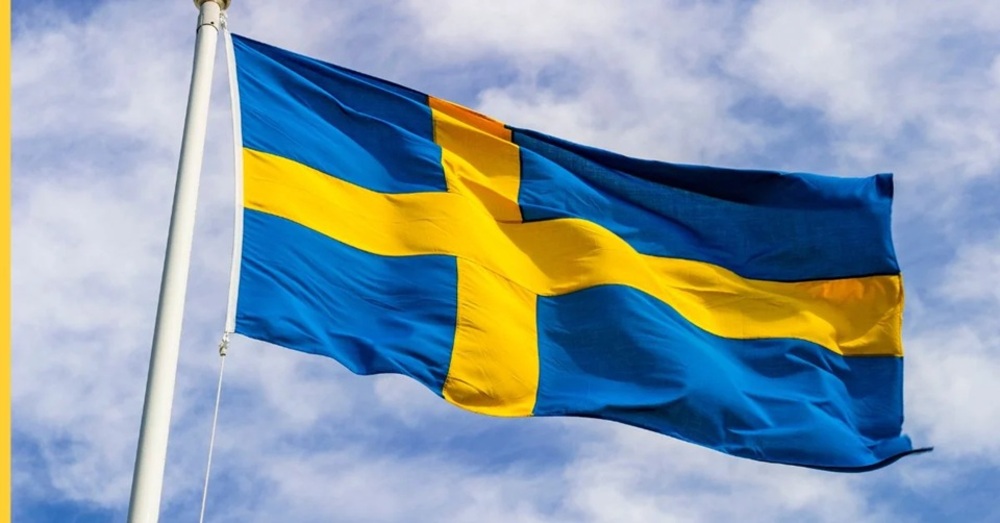
Sweden.- 29 October 2026 | www.zonadeazar.com The Swedish Trade Association for Online Gambling (BOS) has called for a review of the supervision and enforcement framework applied by Spelinspektionen, Sweden’s gambling regulator.
The organisation has presented a comparative report recommending practices used by other Swedish public authorities to establish a more proportionate, preventive and risk-based regulatory approach.
Its principal concerns include the calculation of financial penalties, anti-money laundering supervision and the assessment of operators’ compliance systems.
BOS Calls for a New Regulatory Approach
The trade association believes Sweden’s licensed gambling market could benefit from supervision that focuses on companies’ overall compliance arrangements rather than primarily examining individual breaches.
The report compares Spelinspektionen’s practices with those of three public bodies:
- Finansinspektionen (FI): the Swedish Financial Supervisory Authority.
- Skolinspektionen: the Swedish Schools Inspectorate.
- Stockholm County Administrative Board: a public authority responsible for several areas of supervision.
According to BOS, these institutions provide useful examples of approaches that could improve the regulation of online betting and casino operators.
Statements From BOS Secretary General
Gustaf Hoffstedt, Secretary General of BOS, highlighted the importance of considering the experience of other government agencies.
“We believe that the licensed gambling market in Sweden would benefit if the Swedish Gambling Authority were to adopt working methods more closely aligned with those of other Swedish government agencies,” he stated.
Hoffstedt argued that such changes could support more effective supervision without weakening compliance obligations.
The association maintains that the objective should be to strengthen preventive systems and reduce the risks associated with gambling operations.
Concerns Over Financial Penalties
One of the report’s main recommendations concerns the proportionality of financial sanctions.
BOS argues that Spelinspektionen could adopt criteria similar to those used by other authorities when calculating penalties according to the seriousness of violations.
The document highlights that:
- The Financial Supervisory Authority has imposed certain penalties below 20%–27% of the available sanction range.
- Stockholm County Administrative Board has used percentages below 5% in the cases examined.
- BOS believes these approaches allow penalties to reflect the nature and severity of individual offences more proportionately.
The association proposes that the gambling regulator adopt broader assessments of violations and the circumstances of individual businesses.
A Risk-Based Supervisory Model
BOS also recommends changes to anti-money laundering supervision.
According to the association, certain regulatory investigations currently focus heavily on errors identified in individual customer records.
It argues that this approach may provide an incomplete picture of operators’ overall prevention systems.
The proposed alternative would place greater emphasis on:
- Business-wide risk assessments.
- Corporate governance structures.
- Internal compliance procedures.
- Customer identification systems.
- Anti-money laundering controls.
- The effectiveness of each operator’s overall compliance framework.
The objective is to assess the performance of the complete compliance system rather than relying primarily on isolated findings.
Eleven of Twelve Decisions Relied on Small Samples
The report states that 11 of the 12 regulatory decisions examined, relating to Sweden’s 2021 anti-money laundering legislation, relied on relatively small samples.
According to BOS, the investigations examined between five and fifteen customer files.
The trade association argues that these samples were used without sufficient consideration of operators’ business-wide risk assessments.
It maintains that broader evaluations could help distinguish isolated deficiencies from systemic compliance problems.
Nevertheless, errors identified in individual customer files can also provide relevant evidence of regulatory breaches.
Strengthening Anti-Money Laundering Supervision
BOS is not proposing the removal of anti-money laundering obligations but a change in how compliance is assessed.
The organisation believes that supervision focused on operators’ overall risk profiles could provide a clearer understanding of weaknesses within their systems.
Hoffstedt argued that the proposed changes would encourage a more risk-based approach, strengthen anti-money laundering efforts and improve other areas of supervision.
The association also recommends considering the quality of preventive systems when determining regulatory penalties.
Sweden’s Regulated Market Opened in 2019
The discussion takes place within Sweden’s licensed gambling market, which opened under a new regulatory framework in 2019.
The reform allowed private operators to participate while establishing obligations for licensed businesses.
Since then, the authorities have developed supervisory mechanisms covering consumer protection, anti-money laundering and regulatory compliance.
However, industry representatives have continued to raise concerns about competition from unlicensed international platforms.
Market Channelisation Reaches 84%
One of the main challenges facing Sweden’s regulatory framework is the proportion of gambling activity taking place through licensed operators, known as the channelisation rate.
According to the latest figures cited by BOS:
- Overall gambling market: 84%.
- Sports betting: 95%.
- Online casino: 68%.
These figures highlight significant differences between market segments.
While sports betting has achieved a high level of participation through licensed businesses, online casinos face greater challenges in keeping customers within the regulated market.
BOS Raises Concerns About Illegal Competition
The association argues that certain restrictions affecting authorised operators may create commercial disadvantages compared with unlicensed international platforms.
An earlier study, also conducted by Nordic Legal, identified the narrow definition of permitted gambling products as a potential obstacle to effective channelisation.
According to BOS, such limitations may make it more difficult for regulated companies to compete with offshore gambling websites.
The organisation believes regulatory improvements could help direct more consumers towards licensed operators.
Report Recognises Positive Regulatory Practices
Despite its criticisms, BOS also acknowledges positive aspects of Spelinspektionen’s enforcement practices.
The report notes that the regulator has demonstrated flexibility in certain cases when assessing the severity of penalties.
The association believes these examples could provide a starting point for developing more consistent supervisory procedures.
The research was conducted by Nordic Legal, which has also contributed to previous studies examining Sweden’s gambling regulatory framework.
Industry Impact and Next Steps
BOS’s recommendations raise questions about the balance between effective enforcement and proportionate regulatory supervision.
The association argues that comprehensive assessments of compliance frameworks could improve risk prevention and strengthen the relationship between regulators and licensed operators.
However, the proposals remain industry recommendations rather than approved regulatory changes.
Spelinspektionen retains its existing enforcement and sanctioning powers under Swedish law.
The report aims to encourage discussion about modernising gambling supervision in Sweden, particularly regarding financial penalties, anti-money laundering controls and competition with the illegal market.
Edited by: @fonta


