Lula Takes Criticism of Betting Business Model to the UN
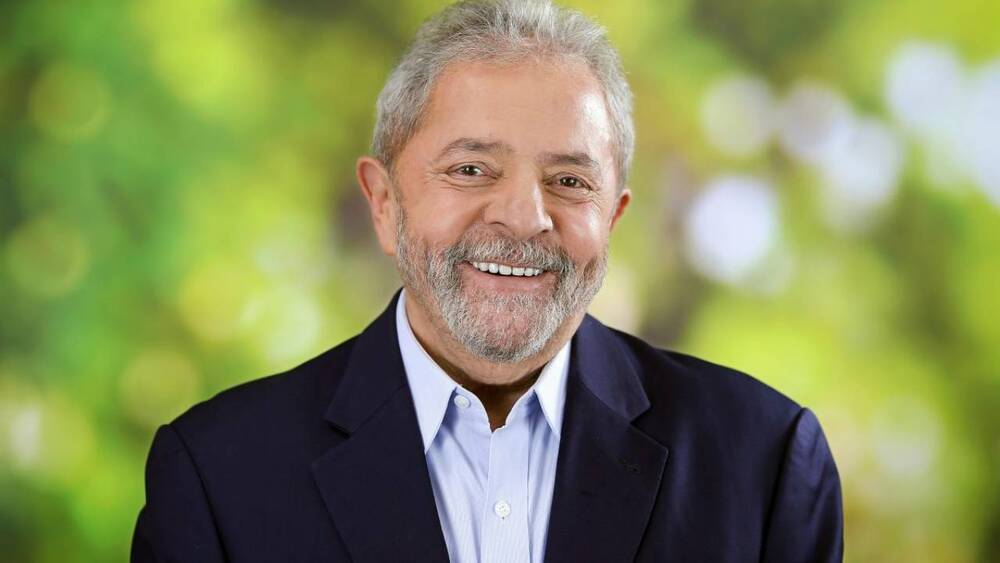
Brazil.- 25 September 2026 | www.zonadeazar.com Brazilian President Luiz Inácio Lula da Silva has taken the country’s debate over online betting to the United Nations General Assembly, publicly criticising the sector’s business model during his address in New York.
The President included betting within a broader speech addressing economic, social, digital and institutional issues and argued that the industry’s rapid expansion is contributing to harmful consequences for some Brazilian households.
The remarks come amid an increasingly intense political debate over the future of Brazil‘s regulated betting market and as the Government considers possible additional restrictions on advertising, online casino and other parts of the sector.
United Nations Address
Lula delivered the remarks on 22 September 2026 during the general debate of the 81st United Nations General Assembly in New York.
Brazil traditionally speaks near the beginning of the opening session.
The President used his address to discuss both international issues and domestic policy questions currently prominent in Brazil.
Betting Enters the International Agenda
Mentioning online betting before the UN raises the political profile of the subject.
Until recently, much of the discussion had taken place through:
- Congress.
- The Ministry of Finance.
- The Secretariat of Prizes and Betting.
- Courts.
- Industry associations.
- Sports organisations.
- Consumer-protection groups.
The UN speech brought the issue into a wider international political setting.
Statements
Lula characterised the multi-billion betting industry as profiting from addictive behaviour.
He also argued that the sector’s rapid expansion is contributing to debt and disruption within Brazilian households.
The President said Brazil would not tolerate the business model as he described it during the speech.
Hardening Political Position
The statement forms part of a progressively tougher public position taken by Lula towards online gambling.
On 18 September, during a political event in Guarulhos, he said that if the decision were his alone, he would bring online betting to an end.
That statement increased uncertainty over whether the Government intends to target selected products or seek a much wider restructuring.
Regulation Under Lula’s Administration
The criticism comes after Lula’s own administration implemented a substantial part of the framework currently governing the sector.
Fixed-odds sports betting had originally been legalised in 2018.
Law 14,790/2023 subsequently broadened the regulatory structure and provided the basis for today’s authorised federal market, including sports betting and certain online games.
The current framework therefore emerged through legislative steps spanning more than one administration.
Regulated Market Since 2025
Brazil‘s fully authorised federal regime began on 1 January 2025.
Businesses providing fixed-odds betting nationally must be authorised by the Secretariat of Prizes and Betting.
The system includes requirements covering licensing, taxation, advertising, compliance, player identification and responsible gambling.
Debate Has Shifted
Brazil‘s policy discussion has evolved significantly.
Initially, the challenge was how to regulate a market that had already become commercially significant.
In 2026, the question increasingly concerns which products and business practices should remain permitted.
Provisional Measure Under Consideration
The Government is considering whether to use a Provisional Measure to impose additional controls.
Several possible approaches have been discussed publicly.
These scenarios should, however, be distinguished from an enacted or formally published measure.
Advertising Restrictions
One possible approach is significantly tighter advertising rules.
These could affect:
- Television advertising.
- Digital marketing.
- Sports sponsorship.
- Influencers.
- Promotional activations.
- Brand visibility.
- Specific advertising formats.
Marketing has become one of the most contested parts of Brazil‘s regulatory debate.
Online Casino Restrictions
Another scenario would preserve sports betting while restricting or prohibiting selected online casino products.
Such a model would create a clearer distinction between sportsbook and digital gaming.
Under current rules, both verticals can coexist within authorised operations.
Wider Restrictions
A more extensive option affecting sports betting as well as online casino has also been publicly discussed.
Until a measure is formally presented, these scenarios remain proposals under consideration rather than changes to existing law.
Online Casino Under Pressure
Online casino products are particularly exposed within the political debate.
Slots, crash games and other digital formats have attracted criticism from several political actors.
Certain games have also become symbolic reference points in Brazil‘s broader public discussion about online gambling.
Sports Betting
Sports wagering occupies a somewhat different position.
It is linked directly to external sporting events and was the first vertical expressly legalised federally in 2018.
Some political actors support preserving regulated sports betting even while advocating tighter rules for other products.
Industry Response
Industry associations have opposed broad prohibition.
Their principal argument is that removing legal supply does not necessarily eliminate consumer demand and could strengthen unauthorised platforms.
That position represents the industry’s regulatory argument rather than an independent conclusion about the likely effect of prohibition.
ANJL
The Associação Nacional de Jogos e Loterias is among the organisations expressing concern.
It argues that removing regulated online casino could increase the share of illegal gambling.
The association supports strengthening the authorised market instead.
ABFS
Representatives of the Associação de Bets e Fantasy Sports have also criticised broad prohibition proposals.
They point to the relative ease with which digital users can access international websites and services.
From this perspective, the association favours regulation and channelisation.
Potential Legal Challenges
Industry bodies are also considering legal responses should a future Provisional Measure materially alter the conditions under which businesses were authorised.
Potential issues could include:
- Legal certainty.
- Previous investment.
- Existing licences.
- Constitutional limits.
- Commercial contracts.
- Transition arrangements.
Any specific challenge would depend on the final wording of a measure.
Football Clubs
Brazilian football is among the sectors watching developments most closely.
Betting businesses have become one of the country’s largest categories of football sponsors.
Major advertising restrictions could therefore alter the clubs’ commercial structure.
More Than R$1 Billion
Betting agreements account for more than R$1 billion in sponsorship across Série A clubs, according to estimates cited in the current sector debate.
This helps explain why football institutions are concerned about extensive advertising restrictions.
Joint Club Position
Brazilian clubs have issued joint statements defending the regulated market.
Their arguments focus primarily on protecting commercial agreements and distinguishing licensed companies from illegal operators.
They have also warned of the financial consequences of wide-ranging restrictions.
Sponsorship Revenue
Betting brands are currently present across assets including:
- Front-of-shirt sponsorship.
- Sleeves.
- Back-of-shirt inventory.
- Stadium boards.
- Media backdrops.
- Digital content.
- Fan activations.
- Membership programmes.
- Naming rights.
This integration makes advertising reform financially significant for sport.
Existing Advertising Regulation
Brazil already applies specific rules to gambling advertising.
Authorised operators must comply with responsible-gambling standards and restrictions concerning minors, misleading wealth claims and product presentation.
The current question is whether those standards should be tightened further.
Protection of Minors
Reducing exposure among children and teenagers is a central regulatory objective.
Licensed operators are already required to prevent participation by minors.
Advertising reforms may further restrict the visibility of betting brands to younger audiences.
Household Debt
Lula explicitly linked betting expansion with household debt.
This forms part of his political case for tighter restrictions.
The scale and causation of betting-related debt remain subjects of empirical and methodological debate, so such causal claims should be understood in the context in which they were made.
Mental Health
The President has also increasingly connected online betting with concerns about mental health and harmful gambling behaviour.
Responsible-gambling obligations are already part of the authorised framework.
Policymakers are now debating whether existing protections are adequate.
Self-Exclusion
Brazil has developed tools allowing users to exclude themselves from authorised betting services.
Such mechanisms form part of the country’s harm-reduction framework.
The Government has continued expanding responsible-gambling controls during 2026.
Legal and Illegal Markets
A key distinction for the industry is between authorised supply and illegal activity.
Licensed businesses must meet federal requirements and financial obligations.
Unauthorised platforms operate outside that framework.
Website Blocking
Brazil maintains an active programme for blocking domains linked to unauthorised operators.
Requests can involve the telecommunications regulator and internet service providers.
Thousands of domains have been targeted since the new regime began.
Financial Restrictions
Enforcement is also increasingly focused on payments.
Authorities are seeking to prevent financial institutions from processing transactions for illegal operators.
The strategy is intended to reduce the ability of unlicensed services to monetise Brazilian customers.
2026 Election Campaign
Betting has now become a significant election issue.
Lula is campaigning for re-election and has progressively sharpened his criticism of the industry in the weeks leading up to voting.
As with other campaign positions, political statements must be distinguished from measures currently in force.
Differences Between Candidates
The debate also reveals differences between political actors.
While Lula has taken an increasingly restrictive position, other candidates have drawn distinctions between sports betting and online casino.
Those differences could influence future policy depending on the election outcome and subsequent congressional decisions.
UN as a Political Stage
Using the General Assembly to mention betting adds symbolic significance.
The speech was addressed both to an international audience and to Brazilians at home.
The reference places betting regulation within a broader narrative involving social protection and the digital economy.
Digital Economy
Online gambling exists within a wider technology ecosystem.
Instant payments, online advertising, digital identity and data infrastructure are all closely linked to the market.
Regulatory changes could therefore affect businesses beyond betting operators themselves.
Pix
The development of Brazil‘s betting market has coincided with widespread use of Pix.
Its speed and availability have transformed digital transactions.
Authorised operators must follow specific rules covering deposits, withdrawals and account ownership.
Technology and Supervision
Modern betting regulation relies heavily on technology to monitor:
- Operators.
- Players.
- Payments.
- Advertising.
- Responsible gambling.
- Fraud.
- Money laundering.
- Self-exclusion.
Any major reform would need to interact with this existing infrastructure.
Legal Certainty
Brazil‘s regulated market has attracted substantial investment.
Licensed companies have paid authorisation fees and created local compliance structures.
Significant policy changes would therefore raise questions about transition and legal certainty.
Existing Authorisations
Current operators hold administrative authorisations under existing legislation.
Any reform restricting currently permitted products would need to determine how those authorisations are treated.
This could become a central issue if online casino products are targeted.
International Suppliers
Brazil has also become an important market for international technology and content providers.
Game studios, aggregators, payment companies, KYC specialists and compliance businesses have expanded locally since regulation.
Major structural change could affect those investments.
Channelisation
For the industry, channelisation is a central measure of regulatory success.
It refers to the proportion of customers using authorised rather than illegal operators.
Industry associations argue that excessively restrictive rules could push activity towards unlicensed services.
Government Perspective
Lula and members of his administration have placed greater emphasis on the social consequences they attribute to rapid betting growth.
From that perspective, the existence of regulation does not prevent authorities from introducing further restrictions if existing safeguards are considered insufficient.
Debate Over the Model
Brazil‘s question is no longer simply whether betting should be regulated.
The debate is increasingly about what kind of regulated market should exist.
Open issues include:
- Permitted products.
- Advertising.
- Sponsorship.
- Taxation.
- Player limits.
- Responsible gambling.
- Protection of minors.
- Enforcement.
- The illegal market.
Industry Context
Brazil has entered a decisive stage in the development of its betting market.
After legalising, regulating and implementing a federal system, the country is now considering potentially significant revisions less than two years after the authorised market began operating.
The debate combines economic, social, health, regulatory and electoral considerations.
Next Steps or Impact
The principal issue now is whether the Government turns its public rhetoric into a formal Provisional Measure and what the final scope of that measure will be.
Publicly discussed options range from advertising restrictions to structural changes affecting online casino or sports betting, but any formal proposal will need to be assessed separately when published.
Operators and suppliers will need to evaluate any change against existing authorisations, investment and the potential impact on the illegal market.
Football clubs, media companies and other commercial partners will focus particularly on any reduction in sponsorship and advertising revenue.
Lula’s United Nations speech confirms that betting has moved beyond being a technical regulatory matter and become a major political issue in Brazil‘s 2026 debate.
Editó: @fonta


