São Paulo Advances Bill to Ban Betting Advertising at Sports Events
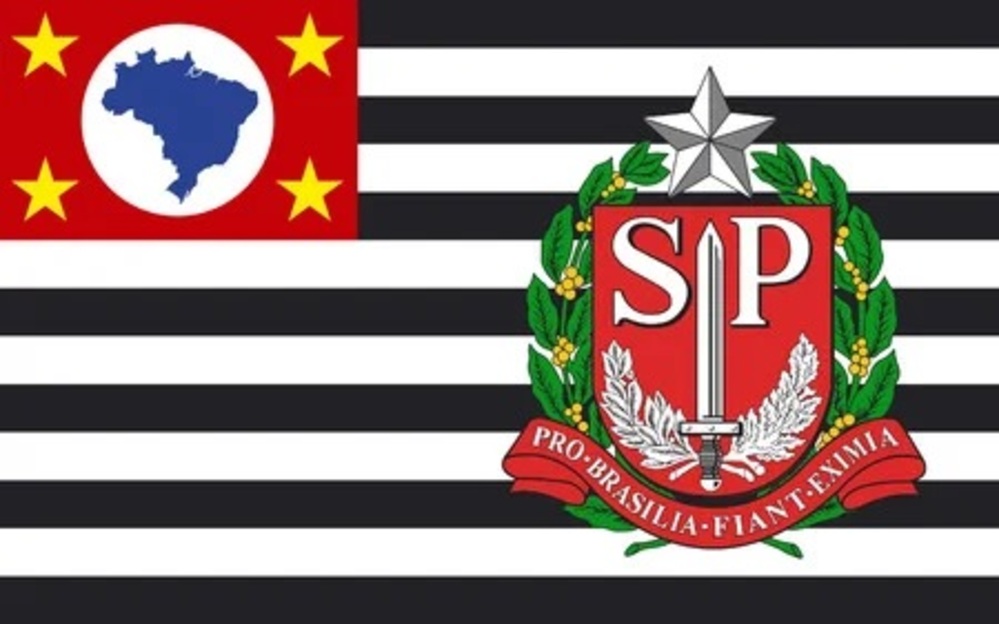
Brazil.- 25 September 2026 | www.zonadeazar.com São Paulo City Council has approved at first reading Bill 560/2025, which proposes banning direct and indirect advertising by sports betting and online gambling companies at sporting events held within the city.
The proposal would cover professional and amateur events, whether commercial or non-commercial, while also placing restrictions on advertising across certain public spaces administered or authorised by the municipality.
The vote represents legislative progress, but the proposal is not yet law. The official legislative record continues to list it at first-reading stage, meaning a second and final Council vote is still required before the bill could be sent to the municipal executive.
Bill 560/2025
The legislation was originally introduced by councillor João Jorge and subsequently gained numerous co-authors from different political groups.
Its stated purpose is to establish specific municipal restrictions covering the promotion of sports betting operators and online gambling companies at sporting events in São Paulo.
The official legislative file currently lists more than 20 councillors among its authors and co-authors.
First Approval
The City Council approved the proposal on 23 September 2026.
The vote was symbolic, meaning individual councillors’ votes were not recorded by name.
It was among 34 proposals considered during the municipal legislative session.
Second Vote Still Required
The first approval does not complete the legislative process.
Bill 560/2025 remains formally classified as being at first discussion and voting stage.
A second approval is required before it can proceed to the municipal executive for sanction or veto.
Sporting Events Covered
The proposal targets sporting events held within São Paulo municipality.
Its scope includes:
- Professional competitions.
- Amateur competitions.
- Commercial events.
- Non-profit events.
- Stadiums.
- Arenas.
- Sports halls.
- Other sporting venues.
The proposed restriction is not limited to major professional football.
Direct and Indirect Advertising
The text adopts a broad approach to advertising.
The proposed restriction covers both direct and indirect promotion by sports betting and online gambling businesses.
This could have implications beyond traditional advertising inventory and potentially affect wider sponsorship structures.
Boards, Banners and Panels
Advertising formats specifically referenced include:
- Boards.
- Banners.
- Panels.
- Stadium advertising.
- Arena advertising.
- Sports-hall advertising.
The intention is to reduce betting-brand visibility within the physical environment of sporting events.
Public Transport and Municipal Spaces
The bill would also apply to certain spaces connected with the municipality.
This includes advertising on municipal public-transport vehicles and other public areas administered or permitted by the city.
The proposal therefore extends beyond the interior of sporting venues.
Shirt Sponsorship
The current proposal does not yet contain a general ban on betting logos appearing on players’ shirts.
However, João Jorge said following the first approval that the bill could still be expanded to address this form of sponsorship.
Potential Sponsorship Impact
Any expansion to team shirts could have substantial consequences for professional football in São Paulo.
Major clubs in the city currently maintain significant commercial relationships with betting operators.
Betting brands have become one of the most visible categories of football sponsorship across Brazil.
Corinthians, Palmeiras and São Paulo
The proposal has already prompted concern among some leading São Paulo clubs.
Corinthians, Palmeiras and São Paulo maintain major agreements involving betting companies.
Published estimates during the legislative debate placed the combined fixed annual value of selected master sponsorship agreements at around R$350 million, excluding bonuses and other commercial exposure.
Club Concerns
Football organisations began considering the potential economic impact before the Council vote.
A key issue is how municipal restrictions could interact with contracts already negotiated for events held within São Paulo.
The final impact will depend on the wording that emerges from the second legislative stage.
Brazilian Sponsorship Market
Betting companies have become prominent sponsors across Brazilian football.
Exposure includes:
- Team shirts.
- Pitch-side boards.
- Media backdrops.
- Digital advertising.
- Broadcast assets.
- Social media.
- Naming rights.
- Fan activations.
A restrictive municipal rule could require parts of these strategies to be reconsidered inside São Paulo.
Rationale Behind the Bill
Supporters of the proposal frame it primarily as a social-protection measure.
The bill’s justification cites economic, social and psychosocial risks associated with the growing influence of betting, with particular attention given to younger consumers and economically vulnerable households.
Children and Teenagers
The proposal places particular emphasis on minors.
Its supporters argue that constant betting visibility around sporting events can normalise wagering among children and teenagers.
The legislation therefore combines commercial restrictions with educational measures.
Prevention Campaigns
The text also proposes public campaigns addressing betting-related risks.
These could include activity through:
- Schools.
- Social media.
- Official government channels.
- Municipal events.
- Educational programmes.
- Initiatives targeting children and teenagers.
The proposal therefore extends beyond advertising restrictions alone.
Statements
João Jorge said after the vote that reports from bettors and family members experiencing financial and personal difficulties were among his principal motivations for introducing the proposal.
He also presented the São Paulo vote as part of a wider national debate over betting regulation.
Those comments represent the bill sponsor’s stated position and motivation rather than an independent assessment of the overall impact of regulated betting.
Committee Support
The Constitution, Justice and Participative Legislation Committee had previously issued a favourable opinion on the legality of the proposal.
During committee consideration, some councillors publicly supported restrictions on betting advertising around sport.
R$50,000 Fine
If ultimately approved and brought into force, the proposal provides for a R$50,000 fine per infringement.
The penalty would apply to breaches of the advertising restrictions established by the municipal law.
Licence Suspension
The text also provides for suspension of an operating licence for up to 30 days.
This would significantly increase potential consequences for businesses and event organisers failing to comply.
Repeat Offences
Additional sanctions would apply for repeat violations.
A responsible party could be barred from staging sporting events in São Paulo for up to two years.
Use of Fine Revenue
Revenue collected from penalties would have a specified purpose.
The bill provides for funds to support:
- Problem-gambling prevention campaigns.
- Awareness initiatives.
- Educational sport programmes.
This would link enforcement directly with social programmes.
90-Day Compliance Period
The current wording provides a 90-day adaptation period following publication of any eventual law.
Businesses, clubs, organisers and other affected entities would have that period to adjust advertising and commercial arrangements.
Existing Contracts
One key industry question concerns sponsorship agreements signed before any law takes effect.
Major sporting sponsorships often run for several seasons.
Practical treatment of those contracts would depend on the final legislation and any subsequent implementation rules.
Municipal Authority
The debate also raises questions over the boundary between municipal powers and a betting industry regulated primarily at federal level.
Brazil now has a national framework for fixed-odds betting.
The São Paulo proposal focuses more narrowly on advertising and the use of venues and spaces within municipal jurisdiction.
Federal Regulation
Brazil‘s regulated betting market operates under federal legislation covering authorisation, commercial obligations and advertising standards.
A São Paulo municipal law would add another layer of restrictions inside the city.
That may lead to further legal debate concerning scope and compatibility.
Advertising in Regulatory Focus
Advertising has become one of the central themes of Brazilian gambling regulation.
Authorities and lawmakers are increasingly examining:
- Advertising schedules.
- Exposure of minors.
- Influencers.
- Sports sponsorship.
- Bonuses.
- Responsible-gambling messaging.
- Advertising in public spaces.
The São Paulo proposal forms part of this broader debate.
São Paulo as a Strategic Market
São Paulo is Brazil‘s largest economic centre and home to some of the country’s most commercially powerful football clubs.
Any municipal restriction on sports advertising could therefore have consequences beyond the local market.
National sponsors regularly use events in the city as part of wider Brazilian marketing campaigns.
Potential Event Impact
Event organisers would need to consider which advertising assets could remain available if the legislation becomes law.
Potentially affected areas include:
- Stadium signage.
- Hospitality.
- Fan zones.
- Promotional activations.
- Perimeter advertising.
- Printed material.
- Event-related campaigns.
The precise impact would depend on the final interpretation of the law.
Impact on Operators
For betting companies, a ban would restrict one of the industry’s most important brand-awareness channels within São Paulo sport.
Operators could need to redirect part of their marketing investment towards other permitted media.
Existing contracts with clubs, leagues and organisers could also require review.
Impact on Clubs
Clubs could face a reduction in the number of sponsorship assets available to betting brands.
The financial impact would depend heavily on whether the final measure remains limited to event advertising or expands to shirt sponsorship.
That issue remains unresolved.
National Debate
The São Paulo bill arrives amid a wider Brazilian debate over the role of betting within sport.
Proposals range from tighter advertising standards to considerably more restrictive measures covering specific products.
Bill 560/2025 represents one municipal intervention within that wider national discussion.
Industry Context
Brazil is in a period of consolidation following the launch of its regulated betting market.
Formalisation has increased scrutiny of advertising, taxation, responsible gambling, sports integrity and consumer protection.
Sports sponsorship sits at the centre of this process because of its visibility.
Next Steps or Impact
The immediate next step is a second vote by São Paulo City Council.
Only following final legislative approval could the bill proceed to the municipal executive.
The restrictions are therefore not currently in force.
Operators and clubs will be watching closely for amendments during the next stage, particularly any potential expansion to shirt sponsorship.
The central commercial question is how far an eventual law could reshape sponsorship contracts, event activations and marketing strategies in Brazil‘s largest urban market.
Bill 560/2025 therefore opens another front in the Brazilian debate over the relationship between regulated betting advertising, sports financing and consumer-protection measures.
Editó: @fonta


