Brazil Signs Macolin Convention to Strengthen Fight Against Match-Fixing
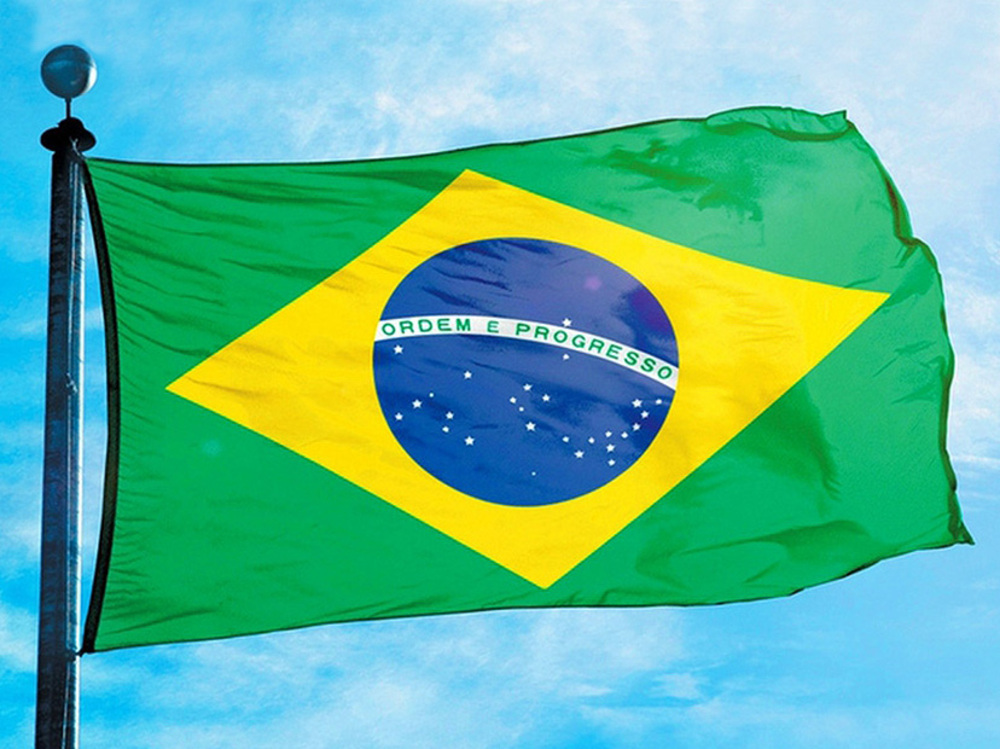
Brazil.- 4 November 2026 | www.zonadeazar.com Brazil has signed the Macolin Convention, the leading international treaty dedicated to preventing and combating the manipulation of sports competitions, becoming the first Latin American country to sign the agreement.
The signing ceremony took place on 30 October 2026, at the Council of Europe’s headquarters in Strasbourg, France.
The Convention establishes cooperation mechanisms involving governments, regulators, sports organisations and betting operators to identify suspicious activity and protect sporting integrity.
Brazil Becomes Latin America’s First Signatory
The agreement was signed by Ricardo Neiva Tavares, Brazil’s Ambassador to France and Monaco, on behalf of the Brazilian Government.
The ceremony was attended by Alain Berset, Secretary General of the Council of Europe.
Brazil became the 44th country to sign the Macolin Convention.
At the time of the signing, 17 countries had ratified the treaty.
Brazil also joins Australia and Morocco among non-member states of the Council of Europe that have signed the agreement.
International Cooperation Against Sports Manipulation
The Macolin Convention provides a framework for preventing, detecting and combating the manipulation of sporting competitions.
Its principal measures include:
- Information sharing between countries and competent authorities.
- Detection of suspicious betting activity.
- Cooperation between public bodies, sports organisations and operators.
- Stronger investigation and prevention mechanisms.
- International coordination against potential match-fixing networks.
The treaty recognises that sports manipulation can involve organisations and activities operating across different jurisdictions.
Consequently, it promotes coordinated action to protect the transparency and credibility of sporting competitions.
Giovanni Rocco Highlights Brazil’s Progress
Giovanni Rocco, Brazil’s National Secretary of Sports Betting, welcomed the country’s decision to sign the agreement.
He described the move as an important step towards protecting sporting integrity and expanding opportunities for international cooperation.
Rocco also highlighted Brazil’s previous progress through the establishment of a national policy addressing match-fixing.
According to the official, stronger international mechanisms will help combat fraud and protect athletes, clubs and supporters.
Ministry of Sport Coordinates the Initiative
Brazil’s Ministry of Sport has been involved in the accession process since 2025.
During that year, the National Secretariat for Sports Betting issued a technical assessment supporting the country’s participation in the Macolin Convention.
In September 2025, the Brazilian Government formally announced its intention to join the treaty.
The decision followed a joint evaluation involving the Ministries of Sport, Finance, Justice and Foreign Affairs.
Since then, the relevant authorities have provided technical and legal support to advance the process.
Brazil Establishes National Match-Fixing Policy
In March 2026, Brazil introduced the National Policy for the Prevention and Combat of Sports Results Manipulation (PNPEMR).
The initiative is coordinated by the Ministry of Sport and was developed alongside the Ministries of Finance and Justice, with participation from the Federal Police.
Its objectives include:
- Preventing fraud involving sporting competitions.
- Monitoring activities and identifying suspicious transactions.
- Strengthening enforcement mechanisms.
- Coordinating investigations between relevant authorities.
- Establishing measures to address identified irregularities.
Signing the Macolin Convention complements this national framework by expanding opportunities for international cooperation.
National Platform to Support Information Sharing
One of the treaty’s principal requirements is the establishment of a national coordination platform in each participating state.
Its purpose is to centralise information and facilitate communication between relevant institutions.
The framework connects public authorities, sports organisations, competition organisers and betting operators.
Such cooperation can support the detection of suspicious activity, the exchange of alerts and more effective responses to potential manipulation.
For Brazil, the mechanism offers an opportunity to connect its domestic integrity policies with international monitoring systems.
International Treaty in Force Since 2019
The Macolin Convention opened for signature in 2014, in the Swiss city from which it takes its name.
It entered into force in September 2019 and remains the only legally binding international instrument specifically dedicated to combating the manipulation of sports competitions.
Its scope covers both betting-related irregularities and other forms of competition manipulation.
Brazil’s signature expands the Convention’s reach beyond Europe and strengthens its international dimension.
Congressional Approval Still Required
Although Brazil has signed the Macolin Convention, the country must still complete its domestic ratification process before officially becoming a State Party.
The agreement must be submitted to the National Congress for examination and approval.
Brazil will then need to complete the relevant procedures for incorporating international treaties into its legal framework.
The signature therefore represents an initial commitment rather than final ratification.
Industry Impact and Next Steps
Brazil’s decision represents further progress in international coordination against match-fixing.
The agreement provides a framework for developing cooperation with other countries and strengthening mechanisms to prevent and detect potential fraud.
It also reinforces the importance of involving sports betting operators in initiatives designed to protect competition integrity.
By signing the Macolin Convention, Brazil becomes the first Latin American country to join the treaty as a signatory, strengthening its approach to match-fixing through international cooperation, information sharing and regulatory oversight.
The next step will be securing congressional approval and completing the ratification process.
Edited by: @fonta


