Amy Acton Backs Ohio Online Casino Legalisation with Safeguards
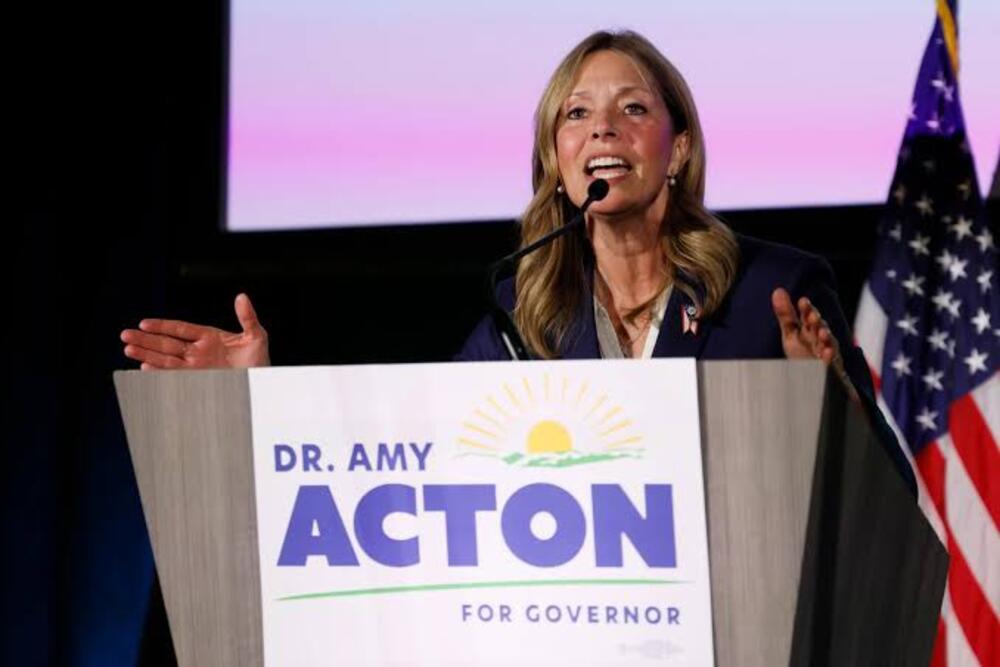
United States.- 15 September 2026 | www.zonadeazar.com Ohio Democratic gubernatorial candidate Amy Acton has said she is open to legalising and expanding online casino gaming in the state, while making clear that any move should be accompanied by strong regulation, protections for young people and restrictions on what she described as predatory advertising.
Acton views iGaming as a potential source of additional state revenue that could help fund public services and proposals aimed at reducing the cost of living.
However, her support is conditional rather than unrestricted, with her public-health background strongly influencing her approach to gambling expansion.
iGaming as a Revenue Source
Acton identified online gambling as a potential new source of revenue for Ohio.
Those funds, she said, could support state programmes and public services.
Cost-of-Living Policies
The candidate specifically linked potential gaming revenue with proposals designed to ease the cost of living.
This places iGaming within a wider state-budget discussion rather than treating it solely as a gaming-industry issue.
Conditional Support
Acton’s position is not an unconditional endorsement.
She supports considering legalisation only alongside a robust regulatory framework.
Public-Health Background
Acton is a physician and former Ohio health director.
That background is central to her approach.
She has emphasised that gambling policy should also be considered through a public-health lens.
Protecting Young People
Protection of young people is one of her primary concerns.
A future regulatory discussion could therefore focus on:
- Age verification.
- Advertising.
- Influencers.
- Promotions.
- Product design.
- Access controls.
Predatory Advertising
Acton also called for action against what she characterised as predatory gambling advertising.
That could place marketing rules near the centre of any future online casino framework.
Advertising Under Greater Scrutiny
Potential restrictions could examine:
- Promotional intensity.
- Targeting.
- Bonus language.
- Youth exposure.
- Messaging to vulnerable consumers.
No Detailed Bill Yet
Acton’s comments are currently a campaign position rather than a legislative proposal.
She has not introduced a detailed iCasino framework.
No Tax Rate Defined
There are no announced details regarding:
- Tax rates.
- Number of licences.
- Licence fees.
- Market structure.
- Permitted game categories.
These would need to be resolved through legislation.
Player Protection Details Remain Open
Acton has not yet outlined specific rules around:
- Deposit limits.
- Self-exclusion.
- Affordability.
- Cooling-off periods.
- Behavioural alerts.
- Bonus restrictions.
The term “safeguards” therefore remains a policy principle rather than a defined regulatory package.
Vivek Ramaswamy Also Addresses Gambling
Republican candidate Vivek Ramaswamy has also commented on gambling policy.
His remarks have been broader, emphasising that any action should be carried out responsibly and should protect Ohioans.
Emerging Campaign Issue
The comments from both candidates suggest gambling expansion is becoming part of the gubernatorial debate.
The major differences are likely to emerge around market design and the level of regulation.
Ohio Already Has Sports Betting
Ohio currently operates a legal sports-betting market.
That experience could provide a regulatory foundation for any future iCasino expansion.
Online Casino Would Go Further
Legalising online casino gaming would represent a larger step.
Unlike sports betting, casino products are continuously available and can involve significantly higher frequency of play.
Potential Products
A regulated market could include:
- Slots.
- Blackjack.
- Roulette.
- Baccarat.
- Video poker.
- Live casino.
The final scope would depend on legislation.
Revenue Potential
States with legal iCasino typically generate substantial tax receipts.
Revenue is therefore a central argument used by supporters of expansion.
Year-Round Digital Activity
Unlike sports betting, which can fluctuate with the sporting calendar, online casino gaming generates activity throughout the year.
This can provide more consistent tax revenue.
Higher-Intensity Play
Continuous access is also one reason regulators apply stricter safeguards to casino products.
The ease and frequency of play can increase gambling-harm concerns.
Acton’s Balance
Her position attempts to balance two objectives:
- New public revenue.
- Stronger consumer protection.
That tension would shape any Ohio legislation.
Public-Health Approach
A public-health model can encourage earlier intervention before gambling behaviour becomes severe.
Player Monitoring
Operators could potentially face requirements to identify risk patterns.
Possible indicators include:
- Session frequency.
- Sudden increases in deposits.
- Accumulated losses.
- Long gaming sessions.
- Behavioural changes.
Automated Interventions
Some regulated markets use automated customer messages and interventions.
Ohio could consider similar mechanisms.
Self-Exclusion
A statewide self-exclusion system would also be likely to form part of any regulated market.
Identity Verification
Robust KYC would be essential to prevent underage access.
Geolocation
Operators would also need to verify that customers are physically located in Ohio.
This technology is already used for sports wagering.
Advertising Regulation
Acton’s comments could lead to particular scrutiny of:
- Welcome bonuses.
- Free spins.
- Push notifications.
- Email marketing.
- Affiliates.
- Social-media advertising.
Affiliates
Affiliate marketing could also face tighter rules.
US regulators are increasingly paying attention to misleading or overly aggressive promotional messaging.
Youth Exposure
Advertising around family programming or on platforms heavily used by younger audiences could attract particular attention.
Operator Responsibilities
A regulated iCasino market would require operators to demonstrate both financial capability and effective responsible-gambling systems.
Licensing Structure
One of the largest unanswered questions would be how licences are allocated.
Possible approaches include:
- Standalone licences.
- Partnerships with existing casinos.
- Partnerships with racinos.
- Hybrid models.
Existing Operators
Companies already active in Ohio would likely seek access to the digital market.
Land-Based Casinos
Traditional casinos may see iCasino as both an opportunity and a potential competitive threat.
Cannibalisation Debate
A continuing US policy debate concerns whether online casino gaming reduces land-based revenue.
The evidence remains contested and varies by market.
Omnichannel Strategy
Supporters argue physical and online gaming can complement one another.
Operators can connect loyalty programmes, promotions and customer relationships across channels.
Competition with Offshore Sites
Another argument for legalisation is that Ohio residents may already be using offshore casino websites.
A regulated market could attempt to channel that activity into supervised operators.
Channelisation
The ability to move customers from illegal to legal platforms would be an important measure of success.
Taxation Matters
Very high tax rates can reduce margins, promotions and competitiveness against offshore operators.
Rates Too Low
Conversely, low taxation would reduce the public-revenue benefit emphasised by Acton.
Finding the Balance
Ohio would need to balance:
- Revenue.
- Competition.
- Investment.
- Consumer protection.
Funding Public Services
Acton has explicitly linked potential gaming revenue with state services.
This may increase political support for the proposal.
Allocation of Tax Revenue
A future bill could direct revenue towards areas such as:
- Education.
- Healthcare.
- Gambling-harm treatment.
- Infrastructure.
- Local services.
No allocation formula has yet been announced.
Problem-Gambling Funding
Given Acton’s public-health emphasis, funding for prevention and treatment would likely receive significant attention.
Any specific allocation would still require legislation.
US iCasino Map
Ohio would join a relatively limited group of US states with regulated online casino gaming.
Slower Than Sports Betting
iCasino expansion has moved much more slowly than sports betting across the United States.
Concerns over gambling harm and land-based casino impact have contributed to that pace.
Attractive Market
Ohio’s population and established gambling ecosystem make it an attractive potential market.
National Operators
Legalisation would likely attract major national brands already operating in regulated iCasino jurisdictions.
Existing Technology
Much of the necessary infrastructure already exists, including:
- Platforms.
- Geolocation.
- KYC.
- Payments.
- AML.
- Responsible-gaming systems.
Ohio-Specific Rules
The main challenge would be adapting those systems to the state’s own regulatory framework.
Gubernatorial Election
The issue forms part of a much broader political contest.
Acton is running against Vivek Ramaswamy in the 3 November 2026 gubernatorial election.
Campaign Position, Not a Guarantee
Her support does not guarantee online casino legalisation.
Legislature Remains Essential
Even if Acton wins, legislation would require support from state lawmakers.
A governor cannot unilaterally create a complete iCasino market.
Political Negotiation
Casinos, health advocates, operators, community groups and lawmakers would all likely participate in the process.
Industry Will Watch Ohio Closely
For the US iGaming industry, Ohio could emerge as one of the next major states to monitor.
Industry Context
The United States continues to debate the next phase of digital gambling expansion.
Sports betting has spread widely, while online casino gaming remains restricted to a smaller number of states.
Ohio illustrates how the conversation is increasingly moving beyond pure revenue considerations to include public health, marketing standards and player protection.
Next Steps and Impact
Amy Acton has left the door open to legalising online casino gaming in Ohio if elected governor, while conditioning her support on strong consumer safeguards.
She sees iGaming as a potential revenue source for public services and cost-of-living policies, but also wants stronger protections for young people and restrictions on predatory advertising.
No detailed proposal currently exists on taxation, licensing, operator numbers or specific responsible-gambling measures.
Her comments therefore represent the beginning of a policy debate rather than a completed legislative plan.
With the 3 November gubernatorial election approaching, digital gambling regulation is becoming a more visible part of Ohio’s political agenda.
If the state ultimately moves towards iCasino, the challenge will be creating a model capable of generating public revenue while maintaining consumer protection and competitiveness against the unregulated market.
Editó: @fonta


