Connecticut Orders Nine Prediction Markets to Halt Sports Contracts
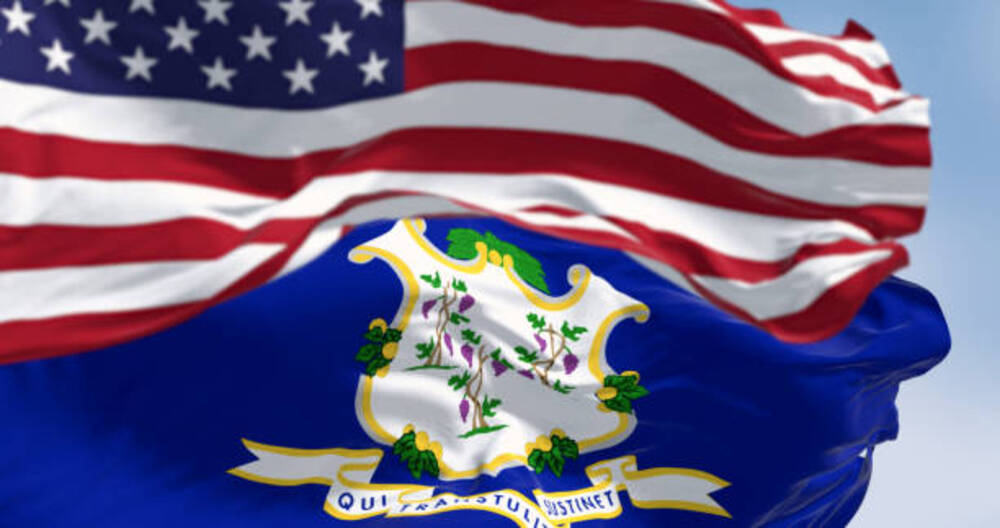
United States.- 15 September 2026 | www.zonadeazar.com Connecticut has intensified its enforcement against sports-focused prediction markets by ordering nine platforms to immediately stop offering sports event contracts to state residents.
The Department of Consumer Protection, DCP, issued cease-and-desist orders to Polymarket, Coinbase, Crypto.com, Robinhood, ProphetX, Novig, Webull, Gemini and Underdog Predict.
The companies must stop advertising, promoting or otherwise offering sports event contracts or other forms of unlicensed online gambling in Connecticut while allowing customers to withdraw funds already held on their platforms.
Nine Platforms Targeted
The orders apply to:
- Polymarket.
- Coinbase.
- Crypto.com.
- Robinhood.
- ProphetX.
- Novig.
- Webull.
- Gemini.
- Underdog Predict.
The breadth of the action demonstrates that Connecticut’s enforcement strategy extends well beyond its existing dispute with Kalshi.
Immediate Cessation Required
DCP ordered all nine businesses to stop making sports event contracts available to Connecticut residents immediately.
Advertising and promotion are also covered.
Customers Must Be Able to Withdraw Funds
The regulator also ordered the platforms to permit Connecticut customers to withdraw money already held in their accounts.
This is intended to prevent consumer funds becoming trapped as a result of the enforcement action.
Civil and Criminal Consequences
Failure to comply could trigger additional enforcement.
Potential consequences include civil penalties under the Connecticut Unfair Trade Practices Act and criminal penalties under state gaming laws.
Connecticut Treats the Products as Sports Betting
The state’s fundamental position is that sports event contracts function as sports wagers.
Users buy and sell “yes” or “no” contracts linked to sporting outcomes.
Connecticut argues that using financial-market terminology does not change the underlying nature of the product.
State vs Federal Regulation
Prediction-market companies have argued in several lawsuits that qualifying event contracts are federally regulated financial instruments under Commodity Futures Trading Commission oversight.
States counter that sports contracts amount to gambling and remain subject to local gaming legislation.
That dispute has become one of the most consequential regulatory battles in US gaming.
August Court Ruling
The latest enforcement follows an August federal court decision in Connecticut rejecting Kalshi’s attempt to block application of state gaming law.
The court did not accept Kalshi’s argument that federal commodities regulation provided exclusive protection from state enforcement.
Connecticut Sues Kalshi
On 26 August, the state also sued Kalshi and sought an injunction preventing the company from offering what Connecticut describes as unlicensed sports wagers.
Appeal Continues
Kalshi has appealed the underlying federal decision to the Second Circuit Court of Appeals.
The case therefore remains active and could have broader national consequences.
Governor Ned Lamont Supports Crackdown
Governor Ned Lamont said the state is acting to protect consumers, young people, student athletes and people experiencing gambling harm.
Connecticut’s position is that prediction markets operate without the consumer protections imposed on licensed sportsbooks.
Regulated Sports Betting Since 2021
Connecticut legalised sports wagering in 2021.
Its model is based on licensed operators subject to technical standards and consumer-protection requirements.
State officials say prediction markets offering sports contracts sit outside that framework.
Three Licensed Sportsbook Structures
Connecticut currently authorises:
- DraftKings through Foxwoods.
- FanDuel through Mohegan Sun.
- Fanatics through the Connecticut Lottery.
These businesses operate under state licensing and supervision.
Minimum Age of 21
Sports wagering and gaming participants must be at least 21 years old.
The state says certain prediction markets have accepted activity from users below that threshold.
Self-Excluded Players
Connecticut also alleges that prediction platforms have accepted wagers from individuals on the state’s voluntary self-exclusion list.
Officials regard this as a significant consumer-protection failure.
Connecticut College Sports
The state imposes specific restrictions on wagers involving Connecticut collegiate sports.
The rules are intended in part to protect student athletes from pressure and harassment.
Officials say some prediction platforms have nevertheless offered such markets.
Consumer Protection Focus
Consumer Protection Commissioner Bryan T. Cafferelli emphasised that sports betting may only be offered by properly licensed sportsbooks.
The regulatory framework covers:
- Consumer safety.
- Personal information.
- Technical standards.
- Responsible gambling.
- Financial protection.
Nearly 30 Subpoenas
The enforcement action extends beyond the nine cease-and-desist orders.
DCP issued almost 30 subpoenas seeking information relevant to its investigation.
Nine Licensed Service Providers
Recipients include:
- PayPal.
- LexisNexis.
- Plaid.
- Paysafecard.
- Integrity Compliance 360.
- Sportradar Solutions.
- Genius Sports Media.
- Genius Tech International.
- Socure.
Fifteen Media Organisations
The department also subpoenaed 15 media organisations.
They include ESPN, NBC Connecticut, Fox61, the Hartford Courant and a range of regional broadcasters and publishers.
App Stores and Payments
Apple App Store, Google Play, Apple Pay, Google Wallet and Stripe also received subpoenas.
This shows the state is examining not merely the platforms themselves but the infrastructure used to distribute, market and monetise their products.
Recipients Are Not Under Investigation
Connecticut stressed that subpoena recipients are not necessarily under investigation.
The state is seeking information that may assist its inquiry into prediction-market activity.
Wider Ecosystem Under Review
The investigation therefore reaches across:
- App distribution.
- Payments.
- Advertising.
- Media.
- Data.
- Compliance.
- Technology.
NFL Prediction-Market Volume
The American Gaming Association estimates that around $40 billion could be wagered on the NFL through prediction markets this year.
That scale helps explain the increased regulatory attention.
$250 Million in College Football Trading
One prediction market reported almost $250 million in college football trading volume on the opening day of the 2026 season.
Prediction Markets vs Sportsbooks
The central legal question is whether the products are fundamentally financial contracts or sports bets.
Prediction platforms emphasise their exchange-based structure.
State regulators focus on the fact that settlement depends on the outcome of sporting events.
Role of the CFTC
The Commodity Futures Trading Commission sits at the centre of the federal side of the dispute.
Platforms rely on the Commodity Exchange Act when arguing that federally regulated contracts pre-empt state gambling restrictions.
Federal Pre-emption
Courts are being asked to decide whether federal commodities law displaces state gaming law for sports-related event contracts.
Different cases are developing across multiple jurisdictions.
Connecticut Takes an Aggressive Position
Connecticut is among the states taking the strongest stance that local gambling rules remain enforceable.
The nine new orders materially broaden that campaign.
High-Profile Financial Platforms
The inclusion of Robinhood, Coinbase and Gemini illustrates how prediction markets increasingly overlap with mainstream financial and crypto platforms.
Polymarket’s Growing Visibility
Polymarket has also developed significant international recognition outside traditional gambling audiences.
Its inclusion makes the enforcement action especially notable.
Novig and Underdog
Companies more closely associated with gaming, fantasy and sports products are also caught in the same regulatory dispute.
State-by-State Fragmentation
If additional states adopt Connecticut’s approach, platforms could face a fragmented US market.
A federally available contract could still be restricted within individual states.
Geolocation Becomes Critical
That would increase the importance of geofencing and jurisdiction-specific product controls.
Rising Compliance Costs
Prediction-market businesses could need to manage differing rules across numerous states.
Legal, technology and operational costs would consequently rise.
Sportsbook Competitive Impact
Licensed sportsbooks are watching the cases closely.
If sports prediction markets become subject to state gaming rules, traditional operators would no longer compete against products operating under a separate regulatory structure.
Regulatory Parity
Gaming companies argue that functionally equivalent products should face equivalent requirements, including:
- Licensing.
- Taxation.
- Age verification.
- Responsible gambling.
- AML.
- Sports integrity.
Innovation vs Consumer Protection
Prediction markets frame their services as financial innovation.
Connecticut’s response is that new terminology or technology cannot be used to bypass established consumer-protection rules.
Gambling Harm
The state has also incorporated gambling-harm prevention into its argument.
Connecticut’s mental-health authorities maintain a statewide network of prevention, treatment and recovery services.
Industry Context
The Connecticut action forms part of a much larger national dispute.
Prediction markets have grown rapidly around politics, economics, elections and sport.
Sports contracts have fundamentally changed the scale of the debate because they increasingly compete directly with regulated sportsbooks for customers and volume.
Next Steps and Impact
The nine companies must stop offering and promoting sports event contracts in Connecticut and permit residents to withdraw existing funds.
The state may pursue civil or criminal penalties where orders are not followed.
At the same time, nearly 30 subpoenas will give regulators additional information about the payment, distribution, advertising and technology infrastructure surrounding prediction markets.
Connecticut’s litigation against Kalshi will continue through federal courts and could become a major precedent on the boundary between CFTC-regulated contracts and state gambling authority.
Connecticut’s position is increasingly explicit: where an event contract functions like sports betting, it should comply with the same rules imposed on licensed sportsbooks.
The ultimate outcome could reshape the future of sports prediction markets across the United States and determine whether they remain a distinct financial-market category or become more directly incorporated into traditional regulated gaming frameworks.
Editó: @fonta


