Gaming Technology Pioneer Roy Student Passes Away
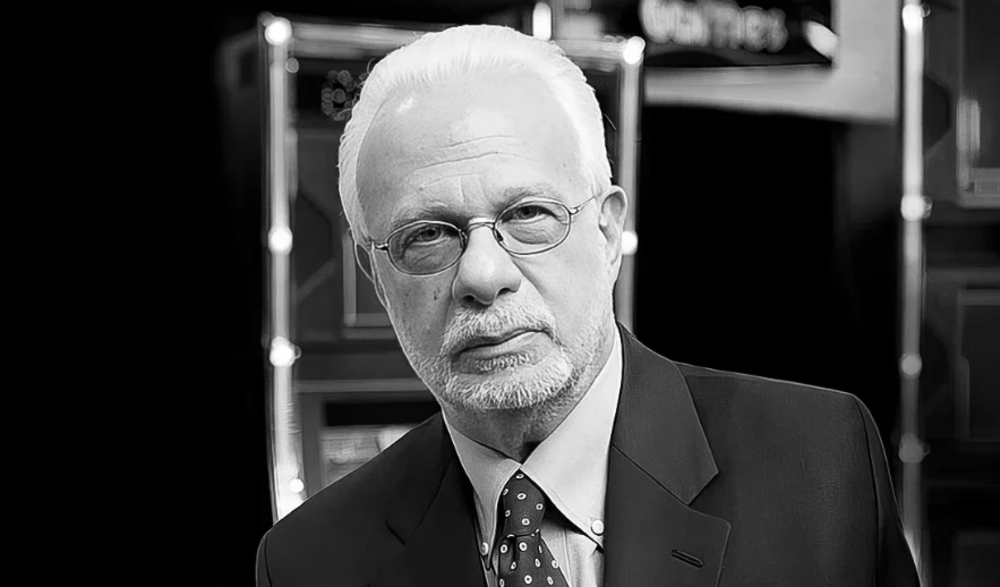
United States.- 10 September 2026 | www.zonadeazar.com Roy Student, a pioneering figure in gaming technology whose work helped shape systems now widely used across the global casino industry, passed away on 5 September 2026 following a prolonged illness.
Over a career spanning approximately four decades, Student was involved in technologies that became fundamental to modern casino operations, including player rating systems, server-based slot networks and the tracking of non-gaming revenue.
His professional history included Gaming Systems International, Cyberview Technology and Applied Management Strategies, as well as later consulting work with Clarion Gaming.
Passing
Student died on 5 September surrounded by family members and loved ones.
His passing marks the loss of a figure whose career extended across several major phases of technological change within the gaming industry.
From early casino accounting systems to centrally connected gaming architecture, his work accompanied the sector’s technological development for decades.
Entry into the Gaming Industry
Roy Student’s involvement with gaming began in 1972.
That year, MGM acquired a casino property in Las Vegas and needed technology capable of automating accounting functions associated with table games.
These included the management of markers and player bankroll information.
Student’s company secured the contract, launching a professional relationship with the gaming industry that would continue for roughly forty years.
Early Casino Automation
The MGM project came during an early period of technology adoption within casino operations.
Many administrative and customer-tracking processes were still largely manual.
Automation provided operators with new ways to organise and process information relating to both players and table-game activity.
Co-Founding Gaming Systems International
Student later co-founded Gaming Systems International, known as GSI.
The company developed player rating systems for casino operators.
These tools allowed casinos to build more structured records of customer gaming activity and behaviour.
Player Rating Systems
The technology developed by GSI became an important component of casino customer management.
Player rating systems enabled operators to collect information on gambling activity and incorporate it into broader customer-management and loyalty strategies.
Systems based on this concept remain widely used across the casino industry.
Sale of GSI in 2001
Student sold Gaming Systems International in 2001.
The transaction brought one major phase of his entrepreneurial career to an end, but he remained closely involved with gaming technology.
His next work would focus on another important transformation in casino infrastructure.
President of Cyberview Technology
Following GSI, Student became president of Cyberview Technology.
The company was responsible for one of the most significant innovations associated with his career.
Cyberview is credited as the first company to connect slot machines to a central server through a server-based gaming system.
Server-Based Slot Networks
The architecture developed by Cyberview connected individual slot machines with centralised technology.
This represented a major shift from the completely standalone machines that had historically characterised many casino floors.
The model opened new possibilities for centralised management, content distribution and system control.
Transformation of Slot Infrastructure
Server-based systems created the potential for casino technology to become more interconnected.
Connecting machines with central servers enabled operators and suppliers to develop integrated approaches to system administration.
The underlying concept later became relevant across both land-based casinos and online gaming environments.
IGT Acquired Cyberview in 2007
International Game Technology acquired Cyberview Technology in 2007.
The acquisition brought the company’s technology into one of the world’s major gaming technology suppliers.
The architecture Cyberview pioneered subsequently became part of systems supporting casino slot operations and online gaming platforms.
Global Technology Impact
Cyberview’s influence extended beyond the US market.
Server-based gaming architecture contributed to the development of slot systems used across casinos internationally.
The technological principles also found applications within digital gaming platforms.
Founding Applied Management Strategies
Student later founded Applied Management Strategies.
The business operated as a consulting company serving the gaming industry.
Through the consultancy, Student advised gaming companies on market entry and expansion strategies.
Market Entry and Expansion Consulting
Applied Management Strategies allowed Student to bring his technology and operating experience into corporate strategy.
The firm worked with companies exploring entry into new markets or seeking to expand existing operations.
His decades of experience provided a perspective combining technology, casino operations and customer management.
Tracking Non-Gaming Revenue
Another area Student strongly advocated was the tracking of revenue generated by customers outside gambling activity.
This meant measuring spending elsewhere across casino properties even where a visitor did not gamble.
The concept broadened the way operators could understand the total economic value of individual customers.
Broader Understanding of Customer Value
Student’s approach treated casino visitors according to their entire economic relationship with a property.
Hotel stays, dining, entertainment and other spending could contribute to a customer’s overall value.
This philosophy eventually became incorporated into loyalty programmes operated by major casino groups.
Evolution of Loyalty Programmes
Tracking non-gaming spending enabled loyalty strategies to evolve beyond the amount wagered.
Operators could use broader information to develop a more comprehensive understanding of customer activity.
Today, this type of measurement forms part of the customer relationship strategies used by many major gaming businesses.
Technology and Personal Relationships
Student’s career spanned the industry’s transition from a business heavily dependent on personal relationships between operators and players towards one increasingly driven by technology.
However, he maintained that the two should operate together.
His view was that technology should complement direct customer engagement rather than replace it.
Technology as a Supporting Tool
For Student, data and automated systems could improve an operator’s understanding of customers.
That information should then support direct and individual interaction.
The philosophy placed technology in the role of strengthening human relationships rather than removing them from the casino experience.
Four Decades of Industry Change
Student’s career covered some of the most significant technological developments in gaming.
He entered the industry when automating casino accounting functions remained an emerging idea.
Decades later, he had worked on centrally connected gaming networks and technologies that would become part of modern casino infrastructure.
Consulting with Clarion Gaming
In his later professional years, Student worked as a consultant with Clarion Gaming.
His work included helping arrange speakers for conferences connected with the ICE trade show.
This allowed him to remain involved in knowledge sharing and professional discussion across the international gaming industry.
ICE and Industry Knowledge
ICE has long served as one of gaming’s major international meeting points.
Student’s contribution to speaker programming gave him another way to support industry discussion.
His extensive experience made him well positioned to connect different perspectives and areas of expertise.
Three Major Contributions
Student’s career is particularly associated with three areas that became important to modern casino infrastructure:
- Player rating systems.
- Server-based slot networks.
- Non-gaming revenue tracking.
All three are now incorporated in various forms across casino businesses worldwide.
Influence on Modern Casinos
Many technologies considered standard in today’s casino operations were developed at a time when they represented emerging concepts.
Student’s work helped move several of those ideas from experimentation into practical casino applications.
His career reflects the broader movement from manual processes towards connected, automated and data-driven systems.
Technology and Operations
Student’s work was not limited solely to technology.
His career also included corporate strategy, consulting and customer relationship analysis.
This combination allowed him to connect technical innovation with practical operator requirements.
Family
Student is survived by his wife, Judy, and sons Darren and Glenn, together with their wives Michal and Sophia.
He is also survived by grandchildren Tali, Ben, Kylee and Kim, as well as six great-grandchildren.
His parents, Pauline and Morton Student, and his brother Larry Student predeceased him.
Funeral Services
Funeral services were scheduled for 9 September 2026 from 9:00 a.m. to 10:00 a.m.
They will take place at King David Memorial Chapel & Cemetery in Las Vegas, Nevada.
Industry Context
The evolution of the casino industry over recent decades has been defined by increasing integration between technology, data and customer experience.
Tracking systems, centralised gaming architecture and loyalty technology have become central components of modern operations.
Roy Student’s career was directly connected with several of these developments and reflects the process through which technology evolved from a supporting function into a structural part of the gaming business.
Legacy
Roy Student’s legacy can be found in technologies that remain part of casinos and gaming platforms today.
His work helped create new ways to track player behaviour, connect gaming machines and understand the total value of casino customers.
He also left behind a clear philosophy about technology’s role in the industry: use innovation to improve operations and customer understanding while preserving the direct, personal relationship that has always been central to the casino business.
Editó: @fonta


