Peru Enters New Phase of Competition Across Regulated Betting Market
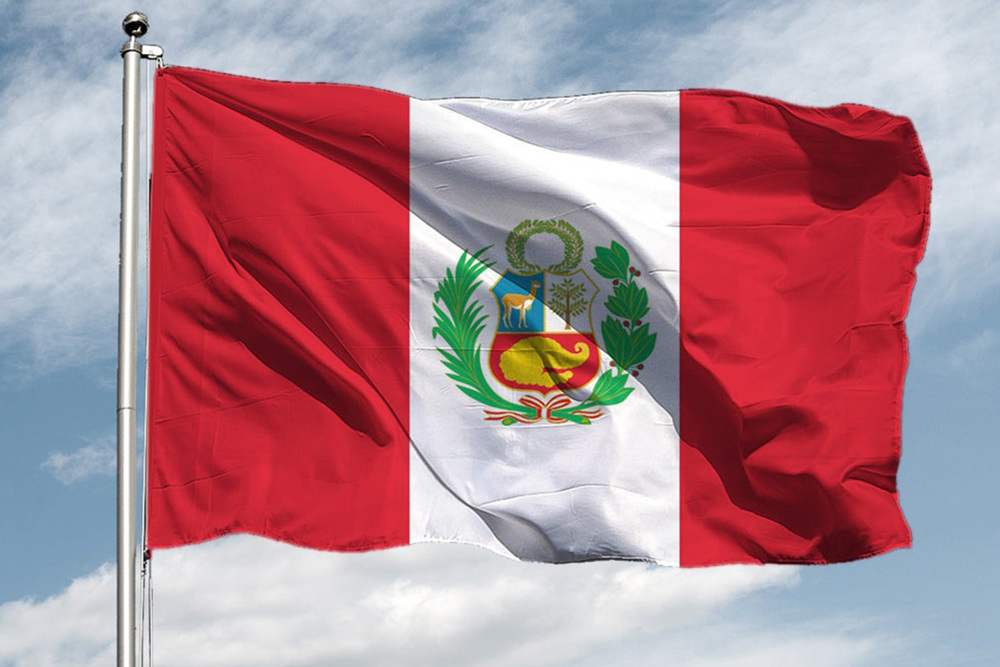
Peru.- 18 September 2026 | www.zonadeazar.com Peru’s regulated online betting market is moving into a new competitive phase in which marketing and sponsorship are no longer the only major sources of differentiation.
With around 60 licensed operators and a mix of domestic and international brands, competition is increasingly being shaped by technology, product quality, user experience, localisation and understanding of Peruvian players.
Regulated Since 2024
Peru’s regulated framework went fully live in February 2024.
Since then, the country has attracted numerous international businesses while established local operators have retained significant positions built before formal regulation.
Apuesta Total Retains Strong Domestic Position
Apuesta Total remains among the country’s most prominent domestic betting brands.
Its position illustrates one of the principal advantages held by established local businesses: longstanding customer knowledge, brand awareness and cultural familiarity.
Competition Becomes More Demanding
Jennyfer Escobar, Stake’s Peru Country Manager, describes Peru as one of Latin America’s most competitive betting markets.
During its early regulated phase, competition was driven heavily by:
- Advertising.
- Sponsorship.
- Marketing expenditure.
- Brand visibility.
That model is evolving.
Product and Experience Gain Importance
Product quality, platform performance and overall user experience are becoming stronger differentiators.
Players have more choice, expectations are increasing and switching between operators becomes easier when a service fails to meet those expectations.
Betsson’s First-Mover Advantage
Betsson has operated in Peru since 2008, well before the present regulatory regime.
That history has provided extensive local experience and established positioning before the arrival of many newer international competitors.
Andrea Rossi, Betsson’s Commercial Director for Southern Europe and LatAm, describes the market as relatively polarised, with a limited number of operators holding particularly strong positions.
Peru as a Strategic Betsson Market
The company considers Peru one of its core Latin American markets.
Betsson argues that success is not driven by marketing alone but through a combination of:
- Product.
- Technology.
- Localisation.
- Local talent.
- Operations.
- Cultural knowledge.
Latin America Expands Within Betsson
Latin America has also become increasingly important to the wider group.
In the second quarter of 2026, LatAm represented approximately 36% of Betsson’s revenue, against quarterly group revenue of €310.2 million.
Peru has historically been one of the markets supporting that regional growth.
Stake Builds Local Strategy
Stake received its Peruvian licence in August 2024.
The company argues that global scale and technology only translate into competitive advantage when they are adapted to local customer behaviour.
Local Partnerships and Creators
Stake’s Peru strategy includes:
- Local partnerships.
- Creator relationships.
- Football support.
- Tailored marketing.
- Localised customer experience.
- Global technology adapted to Peruvian requirements.
The approach combines international scale with domestic relevance.
Localisation Goes Beyond Language
Ramiro Atucha, founder and CEO of Atucha Strategic Advisory, argues that localisation requires considerably more than translating a platform or adding superficial cultural references.
Operators need to understand:
- Historical betting habits.
- Familiar products.
- Customer preferences.
- Previous playing experiences.
- Consumer evolution.
Local Operators Strengthen Technology
Domestic businesses are also investing more heavily in technology to compete with global groups.
That includes partnerships with international technology and platform providers.
However, smaller operators can face challenges accessing suppliers that prefer to work primarily with larger tier-one customers.
Room for Smaller Businesses to Grow
The development of other Latin American operators demonstrates that companies can move rapidly from emerging status to large-scale positions.
Technology access and supplier relationships may therefore prove increasingly important to the future competitive structure of Peru.
Positive Industry View of Regulation
Industry representatives interviewed for the analysis broadly highlight positive features of Peru’s regulatory system.
These include:
- Common operating standards.
- KYC.
- AML requirements.
- Responsible gambling.
- Transparency.
- Relatively accessible market entry.
From an operator perspective, those measures have helped move customers into a regulated environment.
1% Selective Consumption Tax
A major point of tension is Peru’s Selective Consumption Tax, ISC, applied to online betting.
Since 1 July 2025, the regime has imposed a 1% tax on the value of every online wager.
Channelisation Concerns
Industry representatives have criticised the structure of the tax and warned that it could affect licensed operators’ competitiveness.
Their argument is that illegal platforms do not carry the same tax burden.
This remains an industry position rather than an official regulatory conclusion.
Risk of Black-Market Migration
Andrea Rossi argues that Peru has been successful in moving consumers towards licensed operators but warns that excessive taxation could weaken that balance.
Ramiro Atucha similarly argues that tax pressure can eventually reach a point where the regulated market becomes less competitive against offshore alternatives.
Different Views on Market Maturity
Executives offer different interpretations of Peru’s current maturity.
Stake sees the market as still developing and entering a new stage.
Betsson takes a different view, describing Peru as already mature because betting activity and player familiarity existed long before formal regulation.
Mobile as a Growth Driver
Despite those different perspectives, further growth is expected to be supported by:
- Mobile penetration.
- Digital adoption.
- Younger consumers.
- Growing familiarity with online entertainment.
Demographic change could therefore continue expanding the addressable market.
Next Steps and Impact
Peru’s next competitive phase is likely to depend less on marketing expenditure alone and more on technology, product and customer experience.
Localisation, responsible gambling, innovation and cost control under the current tax structure will become increasingly important.
At the same time, debate around the ISC will remain central to whether the regulated system can maintain strong levels of consumer channelisation.
Editó: @fonta


