Ohio Tightens Prediction Market Crackdown Amid Heavy Political Spending
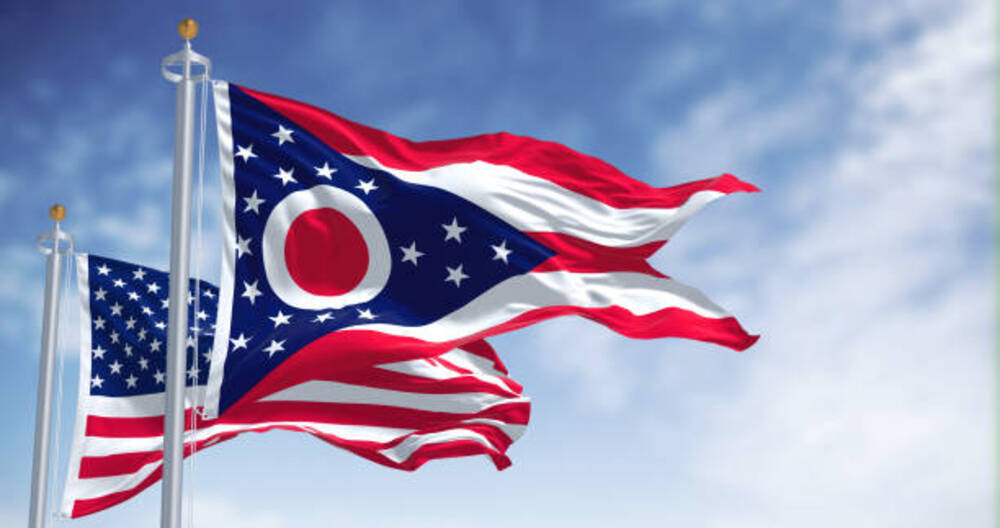
United States.- 13 October 2026 | www.zonadeazar.com Ohio has intensified its crackdown on sports prediction markets by ordering ten companies to stop offering event contracts that state regulators consider unlicensed sports betting.
The regulatory dispute coincides with a sharp increase in political spending by companies linked to prediction markets, cryptocurrency and financial services during the 2026 US election cycle.
Ten Companies Receive Orders
The Ohio Casino Control Commission, OCCC, issued cease-and-desist notices on 2 October to:
- Polymarket US.
- Robinhood Derivatives.
- Coinbase.
- Novig.
- Underdog Predict.
- ProphetX.
- Webull Financial.
- Plus500US Financial Services.
- Gemini Titan.
- Moomoo Financial.
The companies have until 16 October to confirm in writing whether they intend to comply.
Ohio Says Products Are Sports Bets
The regulator argues that sports event contracts function materially as wagering products.
Customers put money at risk and win or lose depending on the result of a sporting event, meaning Ohio believes the platforms should meet the same licensing, taxation and regulatory requirements as sportsbooks.
Polymarket Defends Federal Jurisdiction
Polymarket argues that prediction markets operate under federal Commodity Futures Trading Commission, CFTC, rules.
The company rejects the idea that its event contracts should be subject to a patchwork of separate state gambling regimes.
Robinhood has adopted a similar position, arguing that its contracts are offered within a federally regulated framework.
Second Ohio Order for Robinhood
The latest action is the second cease-and-desist notice Robinhood has received from Ohio.
Its first was issued in March 2025 as the conflict between the state and prediction-market businesses began to escalate.
Sixth Circuit Ruling Strengthens Ohio
The orders follow a Sixth Circuit Court of Appeals ruling favouring Ohio and Tennessee in related litigation involving Kalshi.
The court questioned whether sports event contracts can automatically be treated as financial swaps insulated from state gambling regulation.
“Financial Consequence”
The court said swaps under federal law are generally tied to contracts involving financial consequences.
Against that background, it questioned whether the result of a sporting event, such as an NFL game, fits the traditional economic purpose of a swap.
The ruling gives states greater room to apply their own gambling laws.
Courts Remain Divided
The national legal landscape remains inconsistent.
Other federal courts have reached different conclusions on federal pre-emption and the ability of states to regulate prediction markets.
The split is increasing the likelihood of eventual Supreme Court involvement.
Coinbase Contributes $33.2 Million
Signal Ohio’s investigation also highlights the political dimension of the sector.
Coinbase has contributed approximately $33.2 million to the Fairshake super PAC, one of the largest political vehicles associated with the cryptocurrency industry.
Fairshake can accept unlimited corporate contributions and spend them in federal elections.
Fairshake Targets Ohio Senate Race
The group reportedly plans to spend approximately $30 million against Democrat Sherrod Brown in his race against incumbent Republican Senator Jon Husted.
Ohio has therefore become one of the key battlegrounds for political spending from technology and financial-sector interests.
Polymarket Also Makes Political Contributions
Blockratize Inc., Polymarket’s parent company, has also made political contributions during the election cycle.
These include:
- $1 million to a super PAC aligned with House Republican leadership.
- $10,000 to Ohio Republican gubernatorial candidate Vivek Ramaswamy.
Wider Lobbying Push
Political activity extends beyond those contributions.
During 2026, Kalshi, Polymarket and the Coalition for Prediction Markets spent at least $3 million on lobbying and political contributions at federal and state level.
Kalshi has led the effort and had registered lobbyists in 41 states by September.
States Clash With Prediction Markets
The lobbying expansion comes as state-level legal disputes multiply.
Many regulators argue that sports event contracts allow federally registered platforms to enter betting markets without meeting state taxes, age restrictions, responsible-gaming rules and other sportsbook obligations.
Platforms Defend National Market
Prediction-market companies counter that federal regulation allows them to operate within a single nationwide market.
They argue that applying different gambling rules in every state would fragment the framework established under the Commodity Exchange Act.
Next Steps or Impact
The immediate deadline comes on 16 October, when the ten companies must tell Ohio whether they will comply with the cease-and-desist orders.
The broader dispute will continue across courts, regulators and the political system.
The surge in lobbying and election spending shows that the prediction-market battle has moved beyond a technical dispute over financial derivatives and become a wider contest over regulation, taxation and political influence in the United States.
Editó: @fonta


