Ireland Excludes Online Gambling Levy From EU Budget Proposal
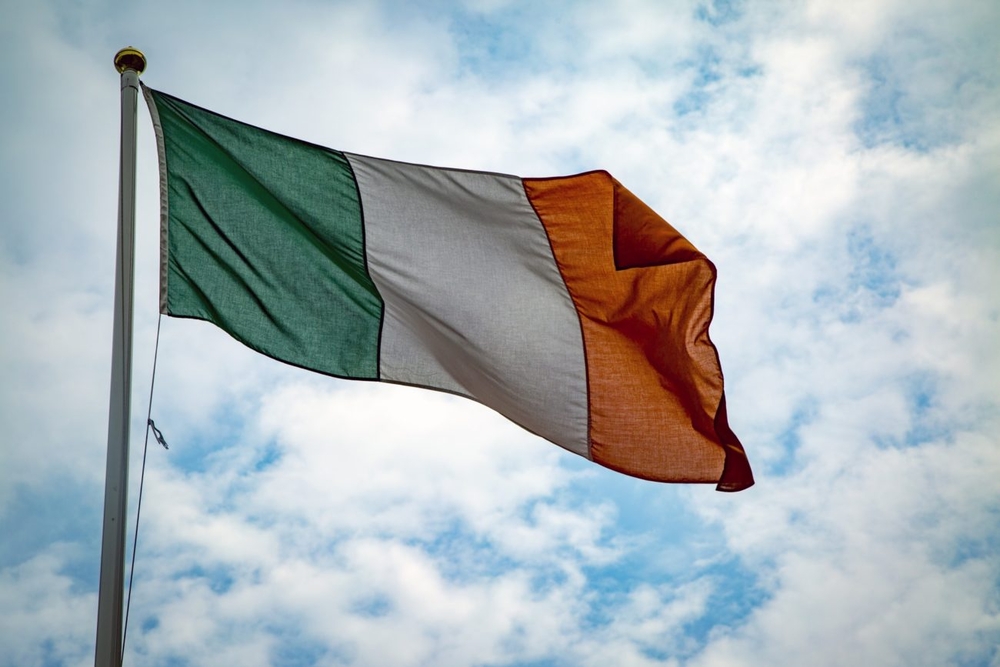
Ireland.- 14 October 2026 | www.zonadeazar.com The Irish Presidency of the Council of the European Union has presented a revised proposal for the EU’s 2028–2034 long-term budget, excluding a previously discussed European tax on online gambling and betting.
The negotiating document, circulated on 10 October 2026, identifies five potential new revenue sources for the European Union but does not include the online gambling levy previously proposed by members of the European Parliament.
The omission represents a significant development in the budget negotiations, although it does not mean that the proposed gambling tax has been permanently abandoned.
A €1.62 Trillion EU Budget
The Irish proposal establishes a budget of €1.62 trillion for 2028–2034, expressed in 2025 prices.
This represents a reduction of approximately €141 billion, or 8%, compared with the European Commission’s original proposal.
Nevertheless, the revised budget remains considerably larger than the financial framework covering 2021–2027.
The Irish Presidency is seeking an agreement between member states, which remain divided over the appropriate level of EU spending.
Five Proposed Revenue Sources
The negotiating document identifies five potential mechanisms for generating additional EU revenue:
- Corporate contributions: annual payments ranging from €100,000 to €750,000 for companies with net turnover exceeding €100 million.
- Tobacco: national contributions calculated on tobacco and related products.
- Electronic waste: a €2 charge per kilogram of uncollected electrical and electronic equipment.
- Emissions Trading System (ETS): allocation of 30% of relevant revenue.
- Carbon Border Adjustment Mechanism (CBAM): allocation of 90% of revenue generated through the system.
Together, these measures could generate approximately €55 billion annually.
None of the five proposals has received final approval.
Origins of the Online Gambling Levy
The proposal for an EU-wide online gambling tax originated with the Socialists and Democrats (S&D) group in the European Parliament.
In May 2026, the group proposed a levy of approximately 1% on the revenues or turnover of major online gambling and betting operators.
The proposed funds would support programmes covering:
- Education and youth policies.
- Mental health.
- Gambling addiction prevention.
- Protection of minors.
- Social welfare initiatives.
The proposal aimed to link industry taxation with the financing of programmes addressing gambling-related harm.
Revenue Projections Reach €28 Billion
Victor Negrescu, Vice-President of the European Parliament, suggested that the levy could generate between €2 billion and €4 billion annually.
According to his estimates, cumulative revenue over the 2028–2034 budget period could reach €14 billion to €28 billion.
The European Commission subsequently examined an alternative model based on a 3% levy on net online gambling turnover.
That scenario projected average revenue of approximately €1.9 billion per year, equivalent to €13.3 billion over seven years.
H2 Gambling Capital Challenges Revenue Estimates
Ed Birkin, Managing Director of H2 Gambling Capital, questioned the European Commission’s revenue projections.
According to his calculations, a 3% levy across all 27 EU member states would generate:
- Less than €1 billion, based on 2026 market figures.
- Slightly more than €1 billion, using forecasts for 2027.
These estimates cover locally licensed gambling operators and exclude online revenue generated by national lottery businesses.
Birkin argued that the principal obstacle would not be developing a collection mechanism but securing agreement among all member states.
Concerns Over Illegal Gambling Growth
H2 Gambling Capital also warned that additional taxation could reduce the market share of licensed operators.
The argument is that higher taxes may weaken the competitiveness of regulated platforms compared with illegal operators that do not face equivalent tax obligations.
From this perspective, any EU-wide levy would need to consider its potential impact on the proportion of gambling activity directed towards licensed businesses.
The debate highlights tensions between government revenue objectives and the commercial sustainability of regulated gambling markets.
EGBA Opposes European Gambling Tax
The European Gaming and Betting Association (EGBA) has expressed opposition to an EU-wide online gambling levy.
The organisation argues that the proposal faces legal and administrative challenges because gambling regulation is not harmonised across EU member states.
Maarten Haijer, who was EGBA Secretary General at the time, maintained that there is currently no common legal basis for defining, administering or collecting such a tax.
The association also questioned the feasibility of implementing a uniform taxation system across markets governed by different national frameworks.
Malta Opposes Additional EU Taxes
Malta, one of Europe’s leading iGaming jurisdictions, has also expressed general opposition to new EU-level taxation.
Prime Minister Robert Abela stated in June that his Government would not accept new European taxes intended to finance the EU budget.
Although he did not specifically mention the gambling levy, the proposal formed part of the broader taxation debate.
Malta’s position is particularly relevant because any new EU own-resources system requires approval from all member states.
Negotiations Scheduled for 15–16 October
The revised budget proposal will be discussed during the European Council meeting scheduled for 15 and 16 October in Brussels.
Significant differences remain between national governments.
Sweden, the Netherlands and Germany consider the Irish proposal’s budget reduction insufficient, while representatives of the European Parliament are calling for greater financial resources.
The Irish Presidency aims to secure an agreement before the end of 2026.
However, the proposed revenue mechanisms must still undergo political negotiations and national approval procedures.
Next Steps and Impact
The omission of an online gambling levy from the Irish budget proposal represents a significant development for gambling operators that have opposed the initiative.
Nevertheless, the levy could still return during further negotiations over the EU’s long-term budget.
The introduction of new EU own resources requires approval by member states under their respective constitutional procedures, allowing individual governments to block proposed taxation mechanisms.
Over the coming months, negotiations will focus on financing the 2028–2034 budget and determining whether additional industry-specific contributions should be introduced.
For the iGaming industry, the outcome will be important in establishing whether operators remain subject solely to their national taxation frameworks or face an additional financial obligation at European level.
Editó: @fonta


