New York Seeks Court Order Forcing Kalshi to Disclose Records
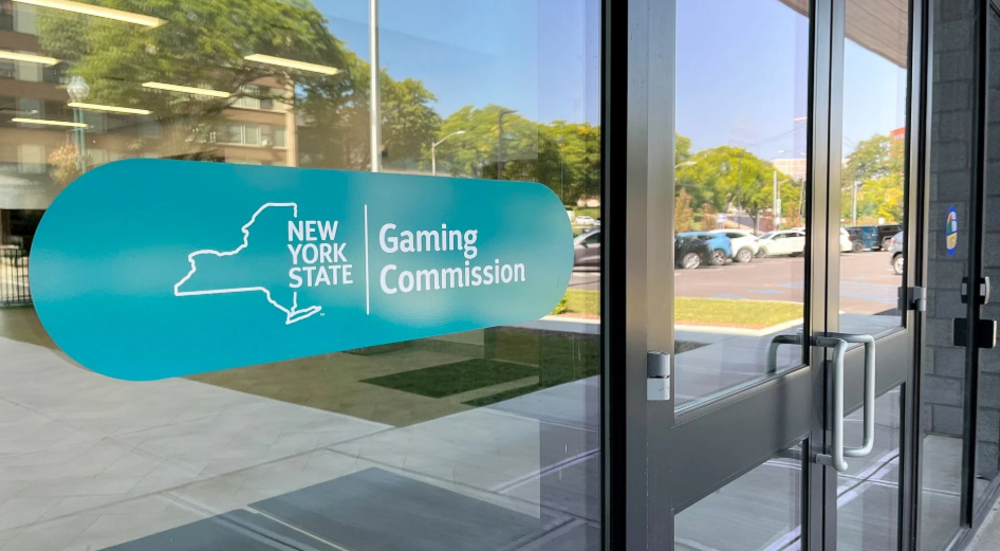
United States.- 28 October 2026 | www.zonadeazar.com The New York State Gaming Commission (NYSGC) has filed a court petition seeking to compel Kalshi to disclose records relating to its sports prediction markets, as part of an investigation into potential violations of state gambling legislation.
The petition, filed on 22 October 2026 in Manhattan, aims to determine whether the company operated without the required licence and whether financial penalties should be imposed.
The proceedings represent another development in the regulatory dispute between US state authorities and prediction market platforms supervised by the Commodity Futures Trading Commission (CFTC).
New York Seeks a Court Order
The NYSGC filed its petition in the Supreme Court of the State of New York, New York County, naming Kalshi Inc. and KalshiEX LLC as respondents.
The regulator is requesting an order requiring both companies to comply with administrative subpoenas issued during its investigation.
If the court grants the petition, Kalshi would be required to produce outstanding non-privileged documents within ten days of the court order.
The commission maintains that the records are necessary to determine whether violations occurred and whether civil penalties should be pursued.
Investigation Into Sports Event Contracts
The investigation focuses on sports event contracts offered through Kalshi’s prediction market platform.
New York authorities argue that these products may constitute sports betting activities subject to state gambling laws.
The commission alleges that Kalshi operated in New York for at least 18 months without obtaining a sports wagering licence.
Kalshi, however, maintains that its contracts are federally regulated financial instruments and should not be subject to the same requirements as conventional sportsbooks.
Information Requested by the Regulator
The commission has requested records covering several aspects of Kalshi’s operations.
Key categories include:
- Documentation concerning sports event contracts.
- Advertising describing products as bets or wagers.
- Information about contracts offered to New York residents under the age of 21.
- Corporate ownership and company structure records.
- Information relevant to identifying potential responsibility for regulatory violations.
The regulator argues that these documents would help establish the scope of Kalshi’s activities within New York.
Kalshi Challenges Several Requests
According to the court filing, Kalshi refused to provide documents responsive to eight requests and submitted insufficient responses to others.
The company particularly challenged demands relating to customers younger than 21.
Kalshi argues that these requests assume the applicability of a state gambling-age framework that it considers incompatible with its status as a CFTC-regulated exchange.
The company also objected to certain requests concerning shareholders and investors.
Confidentiality and Investor Information
Another point of disagreement concerns Kalshi’s corporate ownership records.
The company maintains that some documents contain confidential and commercially sensitive information about investors and capitalisation.
It has also raised concerns regarding shareholder privacy.
However, the NYSGC argues that ownership information could help identify other individuals or entities potentially responsible for violations of state gambling laws.
The court will need to consider these competing positions.
Subpoenas Issued in July 2026
The administrative investigation began before the latest court proceedings.
On 31 July 2026, the gaming commission issued subpoenas under Section 104(7) of New York’s Racing, Pari-Mutuel Wagering and Breeding Law.
The original deadline for compliance was 14 August.
According to the regulator, Kalshi failed to provide all the requested information.
The commission subsequently sought judicial intervention to obtain the documents required to continue its investigation.
Background to the Regulatory Dispute
The disagreement between Kalshi and New York dates back to October 2025, when state authorities issued orders requiring the company to cease certain activities.
Kalshi sought a federal injunction preventing the commission from enforcing those restrictions.
However, a federal district court rejected its request.
The NYSGC maintains that these developments support its authority to investigate possible violations of state gambling laws.
Kalshi continues to challenge the application of those laws to its financial products.
New York Seeks US$36 Billion From Kalshi
The dispute also involves a separate lawsuit filed in July 2026 by New York Attorney General Letitia James.
In that case, the state is seeking US$36 billion from Kalshi over allegations that the company operated an illegal, unlicensed gambling business.
The action argues that certain sports contracts offered by Kalshi should comply with state sports betting requirements.
Importantly, the amount represents a legal claim rather than a fine that has already been imposed.
CFTC Also Challenges New York
In April 2026, the CFTC filed a lawsuit against New York to defend its regulatory authority over event contracts.
The federal regulator argues that the Commodity Exchange Act grants it exclusive jurisdiction over certain derivatives traded on supervised exchanges.
The CFTC seeks to prevent state authorities from enforcing provisions that allegedly conflict with federal law.
The document production proceedings are separate from that wider litigation and focus specifically on compliance with administrative subpoenas.
Impact on Prediction Markets
The dispute highlights two competing regulatory interpretations.
State authorities argue that certain sports event contracts constitute gambling products subject to local licensing and supervision.
Kalshi and the CFTC, meanwhile, maintain that these contracts fall within the federal derivatives regulatory framework.
The outcome could influence the disclosure obligations imposed on prediction market platforms and the extent to which states can investigate their operations.
Next Steps
The Manhattan court must determine whether to order Kalshi to produce the outstanding documents.
If the petition is granted, the company would have ten days to provide the requested records that are not legally privileged.
The NYSGC could then use the information to assess whether enforcement proceedings and potential civil penalties are appropriate.
No ruling on the petition has been reported, and the alleged violations remain disputed.
Kalshi had not issued a specific public response to the petition at the time of publication.
Edited by: @fonta


