CFTC Sues Utah to Protect Federally Regulated Prediction Markets
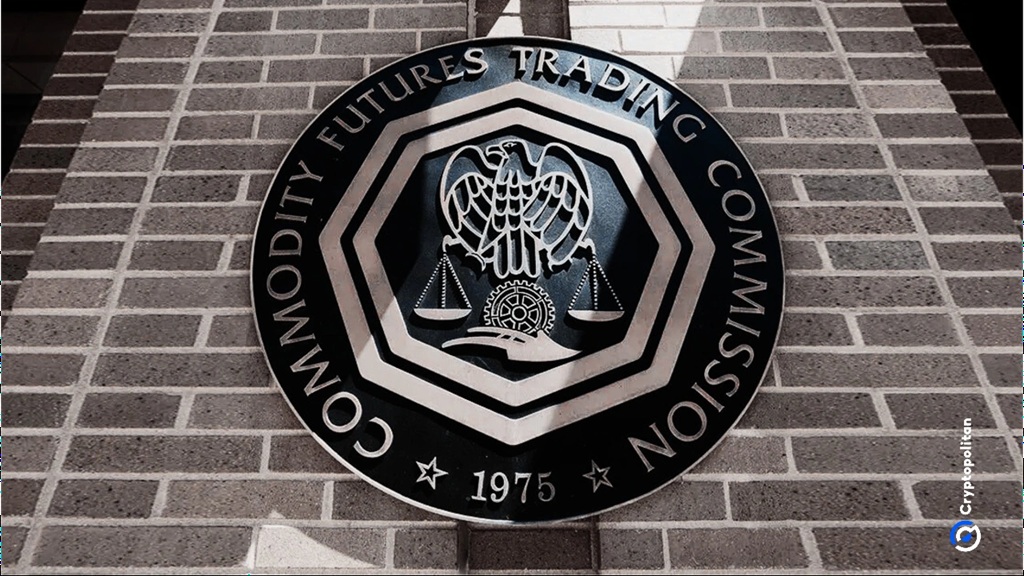
United States.- 29 October 2026 | www.zonadeazar.com The US Commodity Futures Trading Commission (CFTC) has filed a federal lawsuit against Utah seeking to prevent state authorities from applying gambling legislation to event contracts traded on federally regulated prediction markets.
The legal action, announced on 27 October 2026, follows a lawsuit filed by Utah against Kalshi, which the state accuses of offering products equivalent to sports betting in violation of its gambling prohibition.
The proceedings mark another development in the dispute over the regulatory authority of individual states and the US federal government.
CFTC Seeks to Block State Restrictions
The lawsuit was filed in the US District Court for the District of Utah against the state and its Attorney General, Derek Brown.
The federal regulator is seeking a court order preventing Utah from applying state restrictions to contracts traded on CFTC-registered exchanges.
The commission argues that federal derivatives legislation grants it exclusive authority over these instruments.
It maintains that allowing individual states to impose separate prohibitions could undermine the operations of nationally regulated exchanges.
Utah Previously Sued Kalshi
The dispute intensified on 20 October 2026, when Utah’s Attorney General filed a lawsuit against Kalshi and other companies connected with its operations.
State authorities argue that sports event contracts offered by the platform constitute illegal gambling.
Utah maintains one of the strictest gambling frameworks in the United States, with a constitutional prohibition on gambling activities.
The state lawsuit seeks to halt certain contracts and recover revenue that prosecutors allege was generated through activities violating local legislation.
Sports, Election and Political Event Contracts
The controversy extends beyond sports betting.
Utah is challenging contracts linked to several categories of events, including:
- Sporting results and competitions.
- Elections and political developments.
- Cultural events.
- Statements and mentions by public figures.
- Other future outcomes available for trading.
State authorities argue that these products can function like conventional wagers despite being offered through financial exchanges.
The CFTC maintains that event contracts falling within its regulatory framework should be governed by federal law.
Statements From the CFTC Chairman
Michael Selig, Chairman of the CFTC, defended the regulator’s intervention.
He highlighted that event contracts serve purposes beyond investment and financial hedging, including providing information about market expectations concerning future events.
Selig emphasised that Congress entrusted the CFTC with responsibility for supervising derivatives markets.
The Chairman argued that the commission has both the authority and responsibility to defend its jurisdiction against conflicting state enforcement measures.
CFTC Now Involved in Disputes With Ten States
With its lawsuit against Utah, the CFTC has now initiated legal proceedings concerning its regulatory jurisdiction across ten US states.
In addition to Utah, the disputes involve:
- Arizona.
- Connecticut.
- Illinois.
- New York.
- Wisconsin.
- Minnesota.
- Rhode Island.
- New Mexico.
- Kentucky.
These proceedings highlight a nationwide disagreement over the legal classification of event contracts.
While states seek to apply gambling legislation, the CFTC argues that certain products fall within federally regulated financial markets.
Utah Seeks Millions From Kalshi
Utah’s lawsuit includes estimates of the revenue Kalshi generated through transactions involving state residents.
According to the Attorney General, the platform may have collected between US$30.6 million and US$61.2 million in fees associated with contracts that Utah considers illegal.
The figures are based on trading activity attributed to accounts registered within the state.
These amounts remain allegations and estimates submitted during litigation, rather than unlawfully obtained profits established by a final court ruling.
More Than 32,000 Active Accounts in Utah
Court documents also provide information concerning Kalshi’s customer activity within the state.
According to the figures submitted by Utah authorities:
- 55,819 accounts were registered using Utah addresses in February 2026.
- 32,940 accounts had completed registration and were active.
- Customers had conducted millions of transactions involving event contracts.
The state uses these figures to argue that Kalshi has conducted substantial commercial activity within a jurisdiction where gambling is prohibited.
Kalshi disputes the classification of its contracts as gambling products subject to state restrictions.
Dispute Centres on Federal Derivatives Law
The CFTC’s legal position relies primarily on the Commodity Exchange Act, which governs US futures and derivatives markets.
The regulator argues that certain event contracts qualify as financial instruments within its jurisdiction.
It is asking the court to recognise the supremacy of federal law where state requirements conflict with federal regulation.
Utah takes a different position, arguing that the disputed products share the characteristics of traditional gambling and remain subject to the state’s prohibition.
Previous Court Rulings in Utah
The dispute has already produced significant federal court proceedings.
In August 2026, a federal judge ruled in Utah’s favour in an earlier case brought by Kalshi.
The decision rejected the argument that federal derivatives legislation automatically prevented the enforcement of state gambling restrictions.
Kalshi appealed the ruling but was unable to secure interim protection preventing enforcement while the appeal continued.
The CFTC’s latest lawsuit introduces direct federal regulatory intervention into a dispute that has already generated important judicial decisions.
Impact on the Prediction Market Industry
The case presents another challenge for prediction market platforms operating across the United States.
The dispute could affect:
- The availability of sports event contracts in states prohibiting gambling.
- Regulatory obligations for CFTC-authorised exchanges.
- The ability of state authorities to investigate and sanction prediction market activities.
- Customer access to federally regulated trading platforms.
- The relationship between federal financial regulation and state gambling laws.
The outcome could have implications for Kalshi and other businesses offering contracts linked to future events.
Next Steps
The US District Court for the District of Utah must consider the CFTC’s legal challenge.
The regulator is seeking a declaration confirming its authority and injunctions preventing the state from enforcing gambling restrictions against federally regulated event contract markets.
Meanwhile, Utah’s lawsuit against Kalshi remains part of the wider dispute.
The CFTC’s filing does not automatically suspend state enforcement action or constitute a final ruling on the legality of event contracts.
The proceedings will help determine the extent to which individual states can regulate products that the federal agency considers subject to its exclusive jurisdiction.
Edited by: @fonta


