Austria’s Online Gambling Reform Delayed Following Malta’s Objection
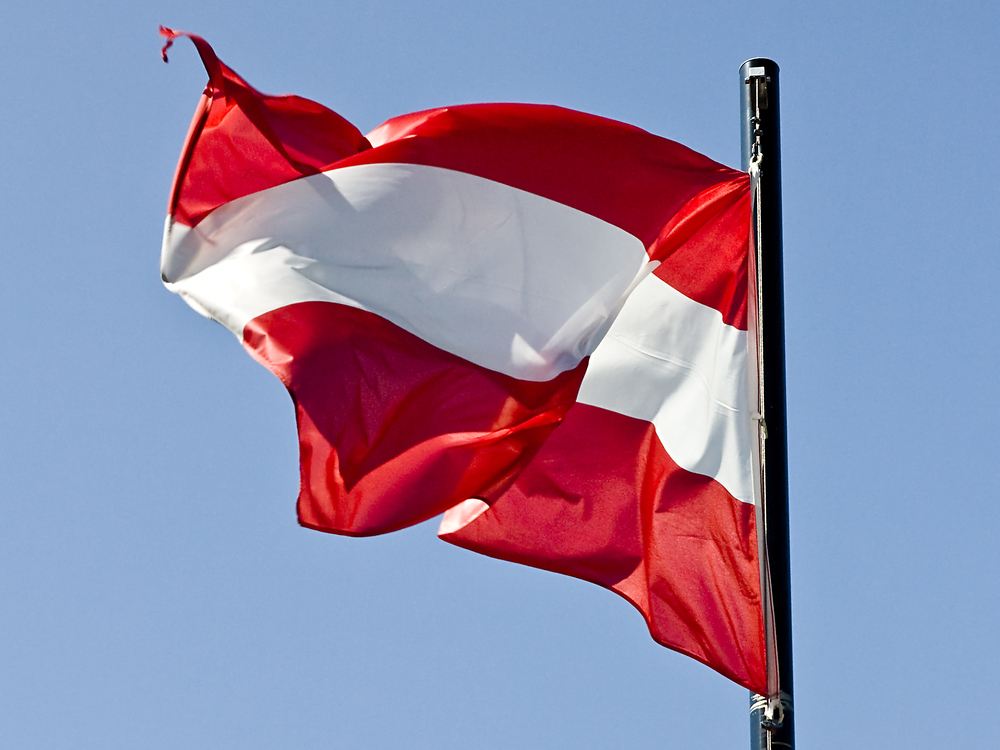
Austria.- 6 November 2026 | www.zonadeazar.com Austria’s planned online gambling reform has suffered a delay after the Maltese Government submitted a formal objection through the European Union’s notification procedure.
The intervention automatically extended the regulatory review period until 7 December 2026, rather than its original deadline of 5 November.
The proposed legislation aims to end Austria’s online gambling monopoly and introduce a licensing framework allowing multiple operators to enter the regulated market.
Malta Extends the European Review Period
Austria notified its draft legislation to the European Commission on 4 August 2026, beginning a mandatory three-month review period.
However, Malta submitted a detailed opinion concerning the proposal, triggering an extension of the procedure.
The revised timetable includes:
- 4 August 2026: draft legislation submitted to the European Commission.
- 5 November 2026: original end of the review period.
- 7 December 2026: revised deadline for the standstill period.
- January 2027: planned entry into force of the reform.
Austria may continue parliamentary preparations during this period but cannot formally adopt the notified provisions until the standstill expires.
Ending Austria’s Online Gambling Monopoly
Currently, Win2Day, a subsidiary of Austrian Lotteries, holds the country’s sole domestic online casino and lottery licence.
The proposed legislation would replace the existing structure with a licensing system open to multiple operators.
Under the reform, new companies would be permitted to enter Austria’s regulated online gambling market, provided they comply with the relevant requirements.
The objective is to modernise digital gambling supervision and establish a more competitive regulatory environment.
Restrictions for International Operators
One of the most controversial elements of the proposal concerns companies currently serving Austrian customers under licences issued by other European jurisdictions, including Malta.
The draft introduces a nine-month cooling-off period for these operators before they can qualify for an Austrian iGaming licence.
To meet the eligibility requirements, companies must stop providing online casino services to Austrian customers by 31 December 2026.
Failure to comply could result in an extended 18-month exclusion period.
Operators would also need to settle outstanding player claims and historical tax liabilities.
Industry Raises Concerns Over Licensing Conditions
The Austrian Association of Betting and Gaming (OVWG) indicated that Malta’s intervention had been anticipated.
Its president, Simon Priglinger-Simader, explained that the association also has concerns regarding certain provisions of the proposed legislation.
The organisation continues engaging with Austrian policymakers and authorities to establish conditions supporting a competitive and well-functioning online gambling market.
The main concerns include market access restrictions for international operators and the requirements imposed during the transition.
Parliamentary Timetable Expected to Continue
Despite the extension of the European review period, industry specialists believe the legislation could still be approved before the end of 2026.
Arthur Stadler, a Vienna-based gambling lawyer at Stadler Partner, indicated that parliamentary approval remains expected before Christmas.
However, he warned that the period between ratification and the planned 1 January 2027 implementation date will now be considerably shorter.
This could create additional challenges for operators preparing applications under the new licensing system.
Questions Over the Objection’s Practical Impact
Felix Geyer, an Austrian public affairs consultant, questioned the practical advantages Malta’s intervention could offer cross-border operators.
He noted that parliamentary consideration had already been planned for 9–11 December, suggesting the additional European review period may not significantly affect the legislative timetable.
Geyer also raised concerns that the intervention could create tensions between prospective applicants and the authorities responsible for regulating the new market.
Industry Impact and Next Steps
The reform represents a significant transformation of Austria’s online gambling market.
Opening the sector to additional operators could reshape competition, while the proposed transitional conditions create uncertainty for companies currently serving Austrian customers from other jurisdictions.
With the European review period extended until 7 December, Austria faces a tighter timetable to approve its gambling legislation before the end of 2026.
The outcome of Malta’s intervention and subsequent parliamentary decisions will help determine the conditions under which operators can access the future regulated market.
Edited by: @fonta


