Texas Proposes Legalising Casinos and Sports Betting in 2027
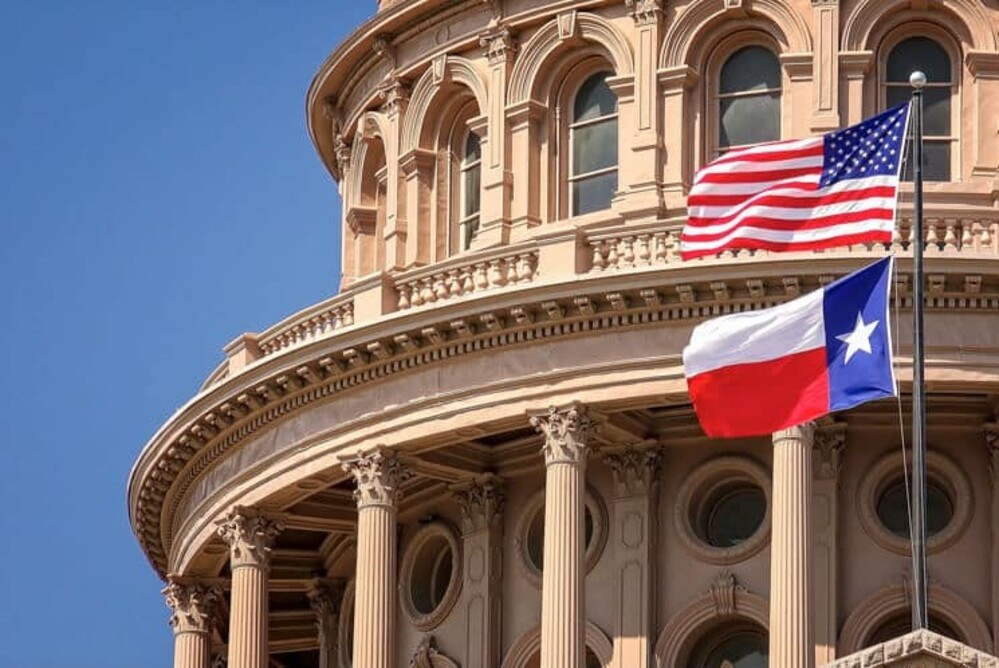
United States – 12 November 2026 – www.zonadeazar.com Texas lawmakers have introduced new proposals to legalise commercial casinos and sports betting, through a constitutional amendment that could be submitted to voters on 2 November 2027.
The resolutions, filed on 9 November 2026, would authorise up to 10 casinos, long-term licences and a maximum tax rate of 15% for operators.
The renewed legislative effort follows November’s elections, which changed the state’s political leadership and reopened discussions about gambling expansion.
Two Proposals to Amend the Constitution
The main proposals were introduced by lawmakers from both major political parties:
- HJR 52: sponsored by Republican Representative Charlie Geren.
- SJR 11: introduced by Democratic Senator Carol Alvarado.
Both resolutions seek to amend the Texas Constitution to allow lawmakers to authorise, regulate and tax casino gaming and sports wagering.
The proposals will be considered during the next legislative session, beginning on 12 January 2027.
For the constitutional amendment to reach voters, it must receive support from two-thirds of the members of both legislative chambers.
Up to 10 Casinos and 40-Year Licences
The proposals establish the basic framework for a potential regulated gambling market.
Key provisions include:
- A maximum of 10 commercial casino licences.
- Initial licence terms of at least 40 years.
- Casino gambling restricted to authorised physical premises.
- Legislative authority to determine permitted sports betting activities and locations.
- Taxes of no more than 15% for casinos and sports wagering operators.
- Licensing fees, with amounts yet to be determined.
The initiatives do not establish a general online casino market. Specific sports betting conditions would be determined through subsequent state legislation.
Texas Could Establish a New Gambling Regulator
One important difference between the proposals concerns the resolution introduced by Carol Alvarado.
SJR 11 includes a provision to establish a state commission responsible for regulating authorised gambling activities.
The regulator would have investigative, enforcement and supervisory powers.
Its funding would come from state lottery resources, gambling tax revenue and licensing fees.
The proposal follows the abolition of the former Texas Lottery Commission under legislation enacted in 2025.
Tribal Gambling Expansion Also Under Consideration
The legislation includes potential opportunities for the three federally recognised tribes with lands in Texas:
- Alabama-Coushatta, in East Texas.
- Kickapoo, in Maverick County.
- Ysleta del Sur Pueblo.
These communities currently operate Class II gaming facilities, but the proposals would require the state to negotiate agreements allowing Class III casino gaming.
Democratic Senator Roland Gutierrez has also introduced SJR 12, a separate resolution specifically seeking to authorise a gambling compact between Texas and the Kickapoo tribe.
Tribal gaming expansion therefore represents another important component of the legislative debate.
Political Landscape Changes Following Elections
The 3 November 2026 elections significantly changed Texas’s political landscape.
Democratic candidates secured the positions of governor, lieutenant governor and attorney general.
One of the most significant developments is the departure of Republican Lieutenant Governor Dan Patrick, who had repeatedly opposed gambling expansion.
His successor, Vikki Goodwin, previously expressed support for allowing voters to decide on issues such as gambling legalisation.
However, the political changes do not guarantee approval, as the proposals must still secure the necessary legislative majorities.
PENN Entertainment and Jerry Jones Support Expansion
The possibility of changing the law has attracted interest from gambling companies and professional sports representatives.
Jerry Jones, owner of the Dallas Cowboys, expressed support for legal sports betting on 6 November, suggesting that it could benefit the state.
Meanwhile, PENN Entertainment, which operates two thoroughbred racetracks in Texas, announced plans to increase its lobbying efforts in support of casino gaming and sports wagering.
Businessman Mark Cuban also acknowledged that the political changes have altered the circumstances surrounding the debate, although he said he had no information about potential legislative outcomes.
Prediction Markets Add Competitive Pressure
The growth of prediction markets introduces another factor into discussions about sports betting in Texas.
Although commercial casinos and conventional sports wagering remain prohibited, residents can access sports-related event contracts offered by platforms such as Kalshi and Polymarket.
Similar products are also associated with companies including DraftKings and FanDuel.
The expansion of these platforms raises questions about competition between state-regulated sportsbook operators and markets operating under federal financial regulations.
During 2026, lawmakers in several states cited this development as one of the reasons for reconsidering their sports betting legislation.
Next Steps and Industry Impact
The new proposals will begin their legislative journey when Texas opens its regular session on 12 January 2027.
If the resolutions secure the required majorities, voters could decide on the constitutional amendment on 2 November 2027.
Public approval would allow lawmakers to develop a regulatory framework governing licensing, supervision and taxation.
Previous attempts to expand gambling, including proposals introduced in 2025, failed to advance through legislative committees.
Changes in political leadership, industry interest and the expansion of prediction markets have brought casino and sports betting legalisation back to the centre of Texas’s economic and legislative discussions for 2027.
Editó: @fonta


