Gibraltar Positions Itself as Europe’s Prediction Markets Hub
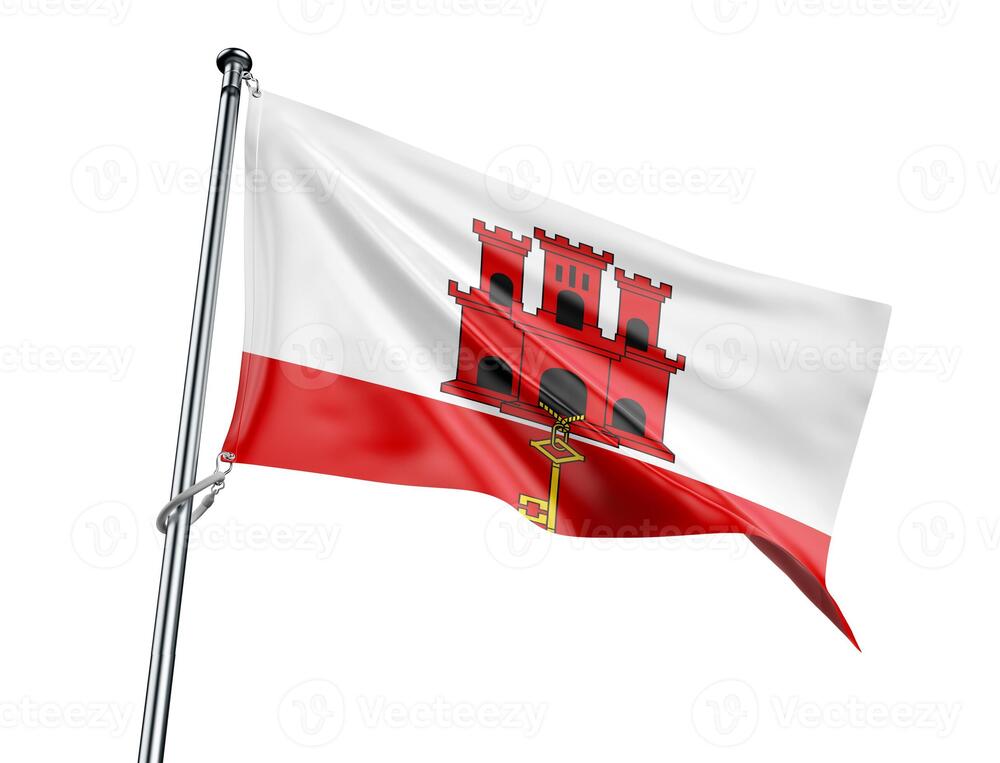
Gibraltar – 12 November 2026 – www.zonadeazar.com Gibraltar has hosted Europe’s first dedicated prediction markets summit, positioning itself as one of the continent’s first jurisdictions to establish a specific regulatory framework for the sector.
The event, PX Markets Summit Europe 2026, took place on 9–10 November in Ocean Village and was organised by Eventus International.
The conference brought together regulators, legal specialists, technology companies and consumer protection organisations to examine the future of an industry facing substantial restrictions across Europe.
Gibraltar Already Has Two Licensed Operators
During the event, Andrew Lyman, Gibraltar’s Gambling Commissioner, highlighted the territory’s regulatory progress.
Gibraltar granted its first prediction markets licence to Predict Street in March 2026, subsequently introducing dedicated regulations in July.
The authorities have since licensed a second operator and are currently reviewing a limited number of additional applications.
The framework includes requirements relating to market integrity, consumer protection and anti-money laundering safeguards.
Summit Focuses on Establishing Industry Rules
Gibraltar’s Minister for Justice, Trade and Industry, Nigel Feetham, opened the event, which focused on the principal regulatory challenges facing prediction markets.
Key discussion topics included:
- Classification of event contracts as financial products or gambling.
- Licensing and regulatory compliance requirements.
- Consumer protection and prevention of gambling-related harm.
- Blockchain technology and smart contracts.
- Market integrity and event settlement mechanisms.
- Opportunities for international expansion.
The conference featured representatives from organisations including BetBlocker, CERG and the Ethical Gambling Forum.
However, major US prediction market platforms such as Kalshi and Polymarket were not among the speakers.
Europe Maintains Restrictions on Prediction Markets
Gibraltar’s approach contrasts with the measures adopted by several European regulators.
In June 2026, authorities from Belgium, France, Germany, Italy, the Netherlands, Poland, Portugal, Spain and Switzerland issued a joint warning against unlicensed prediction market platforms.
Spain had already blocked access to Kalshi and Polymarket in May.
Mikel Arana, Director General of Spain’s gambling regulator, recently reiterated that companies without authorisation cannot legally provide services to Spanish consumers.
Germany also included prediction markets in discussions among European gambling regulators during a meeting held on 4 November.
Financial Regulation Versus Gambling Classification
One of the main obstacles to the industry’s development is the lack of agreement over its legal classification.
Prediction markets allow users to trade contracts based on the outcomes of future events, including political, economic and sporting developments.
The European Securities and Markets Authority (ESMA) has warned that certain contracts could qualify as binary options, which cannot be marketed to retail investors in the European Union.
Meanwhile, several national gambling regulators consider sports-related event contracts to constitute betting.
The use of cryptocurrencies, stablecoins and blockchain technology also raises questions about the applicability of MiCA, the European crypto-assets framework, and MiFID, which governs financial instruments.
European Industry Divided Over Opportunities
The debate was also prominent during SiGMA World Rome in early November.
Francesca Broggi, Vice-President of LOGiCO, an Italian online gambling operators’ association, questioned the competitive conditions facing licensed gambling companies compared with prediction market platforms.
Meanwhile, Fiorentina D’Amore of Blockchain.com supported developing a common European framework incorporating financial, technological and gambling regulations.
Alessandro Brigato of Blockchain Italia argued that traditional gambling operators could identify significant commercial opportunities by embracing prediction markets.
These positions demonstrate the absence of a common industry approach to the emerging sector.
Gibraltar Licence Does Not Provide Europe-Wide Access
Andrew Lyman clarified that obtaining a Gibraltar licence does not automatically authorise prediction market operators to provide services across Europe.
Companies must satisfy the legal requirements of individual jurisdictions through local licensing or permitted commercial partnerships.
This limitation is particularly relevant because Gibraltar is no longer part of the European Union.
Consequently, while the territory provides a dedicated regulatory framework, licensed companies still face restrictions when seeking access to major continental markets.
Gibraltar Builds on Regulatory Experience
The current strategy resembles previous initiatives undertaken by the territory in technology and financial services.
Gibraltar developed an international online gambling industry through operator licensing and introduced a dedicated regulatory framework for distributed ledger technology businesses in 2018.
The authorities believe this experience can help establish standards for prediction markets.
However, the sector’s commercial development will depend on changes in European legislation and the ability to enter additional jurisdictions legally.
Industry Impact and Next Steps
Europe’s first dedicated prediction markets summit strengthens Gibraltar’s position as a potential regulatory base for companies developing event-based trading products.
The territory currently has two licensed operators and additional applications under review, while many European countries continue restricting the activity.
For international platforms, the central challenge remains determining whether prediction market contracts should be regulated as gambling, financial instruments or a distinct product category.
Gibraltar aims to establish itself as a European hub for prediction markets, although the industry’s commercial expansion will depend on other jurisdictions developing legal pathways for these products.
Editó: @fonta


