North Carolina and New Jersey Advance Prediction Market Taxes
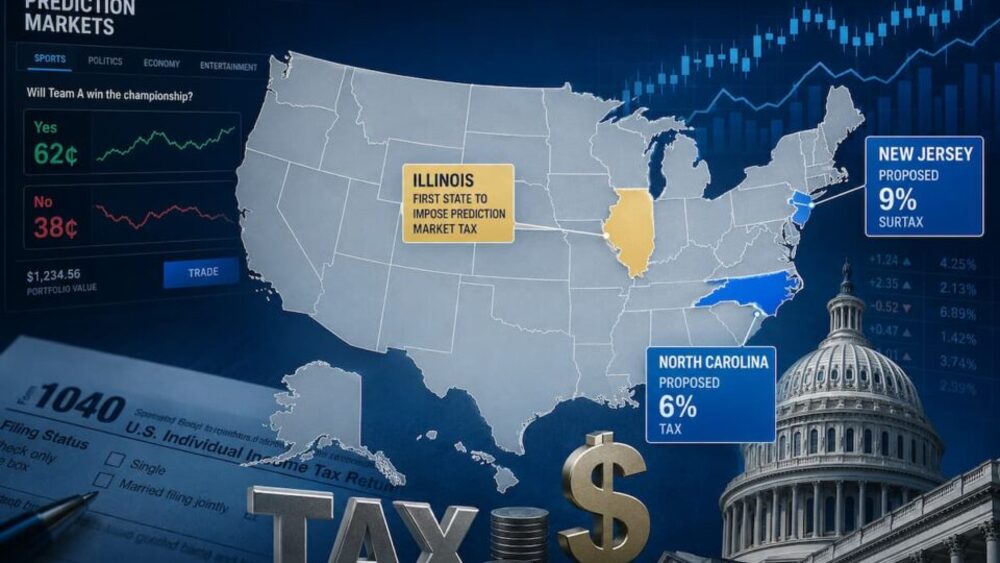
United States.- 3 July 2026 www.zonadeazar.com North Carolina and New Jersey are advancing new tax measures targeting prediction market operators, extending a trend that recently began with Illinois. The proposals aim to generate additional state revenue while leaving federal oversight by the Commodity Futures Trading Commission (CFTC) unchanged.
News Details
In North Carolina, lawmakers approved a conference budget report on second reading that introduces a 6% tax on the net trading fee revenue earned by prediction market operators from in-state transactions. The proposal does not establish a separate state licensing regime, allowing federally regulated platforms such as Kalshi to continue operating under CFTC supervision while paying state taxes.
The budget package also increases the state’s online sports betting tax from 18% to 23%, allows gamblers to deduct losses from state income taxes and introduces additional reporting obligations for certain operators.
Meanwhile, New Jersey lawmakers are advancing companion legislation imposing a 9% surtax on prediction market operators as part of broader efforts to align their tax burden with that of the regulated gambling industry.
Industry Context
The proposals demonstrate growing efforts by US states to capture tax revenue from the expanding prediction market sector while broader legal debates continue over the division between federal financial regulation and state taxation powers. Illinois recently became the first state to enact a dedicated prediction market tax, with additional jurisdictions now considering similar measures.
Statements
The original source does not include direct comments from government officials or industry representatives. The legislative proposals reflect broader state efforts to secure tax revenue from the rapidly growing prediction market industry.
Next Steps or Impact
If enacted, the measures would position North Carolina and New Jersey among the first US states to introduce dedicated taxes on federally regulated prediction market operators while leaving CFTC oversight intact. The initiatives could encourage similar legislation elsewhere in the United States.
Edited by: @_fonta


