Brazil Betting Ban Triggers Job Cuts Across Sports Media
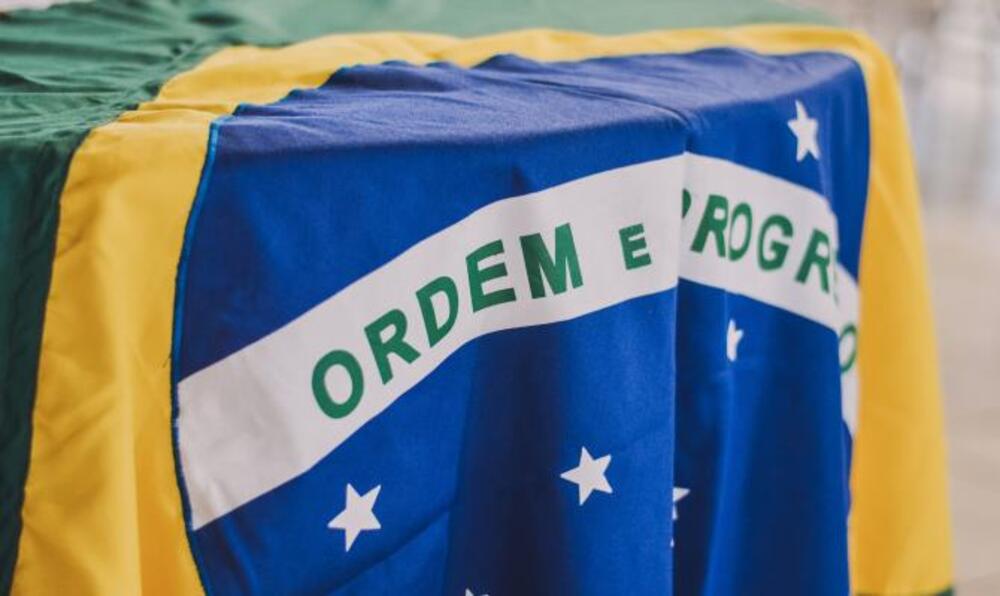
Brazil – 12 November 2026 – www.zonadeazar.com Brazil’s online betting prohibition is generating economic consequences across the country’s media industry, resulting in job losses, cancelled broadcasting agreements and reduced advertising investment.
On 10 November 2026, Rádio Itatiaia, Canal GOAT and Band reported operational adjustments linked, to varying degrees, to declining sponsorship revenue from betting companies.
The developments demonstrate the wider impact of Provisional Measure 1,394/2026, which has restricted fixed-odds betting, online casino operations and related advertising since September.
Rádio Itatiaia Reduces Its Journalism Team
Rádio Itatiaia, based in Belo Horizonte, has undertaken a financial restructuring involving the departure of established sports journalists.
Those affected include:
- Alê Oliveira: sports commentator.
- Osvaldo Reis, known as Pequetito: commentator and match broadcaster for Cruzeiro.
The redundancies followed a decline in sponsorship income from betting operators.
Journalist Jaeci Carvalho claimed the broadcaster had dismissed approximately 20 employees and lost around R$30 million in commercial revenue following the withdrawal of betting sponsors.
However, Itatiaia has not officially confirmed these figures or publicly detailed all the reasons behind its restructuring.
Canal GOAT Cuts Staff and Renegotiates Sports Rights
Canal GOAT, a free sports streaming platform with more than 5.4 million YouTube subscribers, has also begun reducing operating costs.
The company dismissed several professionals, including:
- Fran: former footballer and commentator.
- Anita Efraim: member of the broadcasting team.
- Gabriel DCastro: professional involved in programming.
- Junior Lampard: sports commentator.
The platform has also requested the termination of broadcasting contracts covering three international competitions.
The measures follow growing difficulties in maintaining an operation primarily funded through advertising and sponsorship.
Three Competitions Could Lose Broadcast Coverage
The agreements Canal GOAT is seeking to terminate involve:
- Scottish Premiership.
- United States women’s football league.
- English women’s football league.
The potential cancellation of these contracts demonstrates how reduced advertising revenue can affect access to international sports content.
Canal GOAT intends to concentrate its resources on competitions considered commercially important, including German football and Brazil’s Série B.
The platform’s majority shareholder is Guilherme Bellintani, former president of Bahia football club.
Band and Jovem Pan Also Make Adjustments
Broadcaster Band had already announced its withdrawal from Saudi football league coverage, attributing the decision to the commercial consequences of Brazil’s betting prohibition.
The company also postponed the launch of a programme presented by Luciana Gimenez until 2027 because of difficulties selling advertising packages.
Meanwhile, Jovem Pan recorded the departure of executive Fernando Pelegio and approximately 15 technical employees.
However, Jovem Pan denied experiencing financial difficulties, meaning these departures cannot be directly attributed to the betting ban.
The developments illustrate broader restructuring across different segments of Brazil’s audiovisual industry.
Brazilian Football Clubs Also Lose Sponsorships
Reduced investment from betting companies is affecting more than media organisations.
Before the prohibition, 14 of Brazil’s 20 Série A clubs had a betting company as their principal shirt sponsor.
These agreements represented commercial commitments worth at least R$910 million annually.
Notable examples include:
- Flamengo: its president estimated potential losses exceeding R$430 million, including sponsorship and other betting-related revenue.
- Corinthians: Esportes da Sorte requested the early termination of its main sponsorship agreement without financial penalties.
- Vitória: received notification from 7K regarding the suspension of a sponsorship deal scheduled to run until 2027.
The loss of these funds could affect the commercial and sporting budgets of several clubs.
More Than 3,500 Industry Workers Reportedly Dismissed
According to a preliminary assessment by the National Association of Games and Lotteries (ANJL), more than 3,500 employees have lost their jobs in Brazil’s betting industry since Provisional Measure 1,394/2026 took effect.
The association estimates that redundancies could reach 5,600 within 90 days.
At least 36 of the 188 previously authorised betting brands have reportedly reduced their workforces.
Examples include:
- H2Bet: 170 redundancies from a workforce of 270.
- KTO: closure of operations and more than 200 job losses.
The effects have also extended to advertising agencies, customer service providers and affiliate marketing businesses.
These figures represent industry estimates rather than consolidated official government statistics.
Congress Continues Regulatory Debate
Provisional Measure 1,394/2026 has been extended by an additional 60 days and remains under review by Brazil’s National Congress.
Taking the parliamentary recess into account, the legislative deadline could extend until 4 March 2027.
Meanwhile, sporting organisations and gambling operators have requested that the Supreme Federal Court (STF) review the prohibition’s constitutionality.
Industry representatives have also called for transitional arrangements allowing existing commercial agreements to be adapted gradually.
The Government, however, continues defending the restrictions on social protection and gambling-related harm prevention grounds.
Industry Impact and Next Steps
The restructuring affecting Itatiaia, Canal GOAT and Band demonstrates that the consequences of Brazil’s betting prohibition extend beyond gambling operators.
Reduced advertising investment is affecting journalists, audiovisual producers, football clubs and sporting organisations that previously relied on this revenue.
For media companies, the immediate challenge is to diversify funding sources and renegotiate broadcasting agreements.
Meanwhile, Congress and the STF will determine the future of the regulatory framework.
Brazil’s betting prohibition is reshaping the economic structure of sport and broadcasting, with job losses, declining sponsorship investment and potential cancellations of international sporting competitions across media platforms.
Editó: @fonta


