Buenos Aires Legislature Demands Transparency on Online Gaming Tax
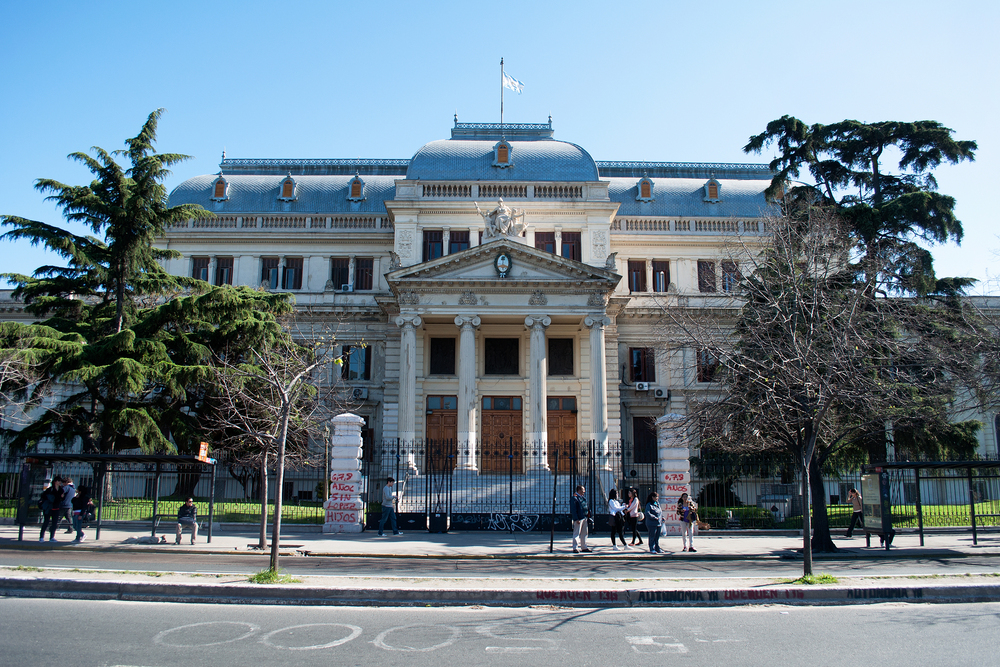
Argentina.- 16 September 2026 | www.zonadeazar.com Lawmakers in the Province of Buenos Aires are increasing pressure on the Provincial Institute of Lotteries and Casinos, IPLyC, to provide detailed information on how revenue from the newly introduced online gaming levy will be collected and allocated.
The scrutiny follows Resolution 1149/2026, which established a 2% contribution on prizes generated by authorised online instant-resolution games in the province.
Pressure From Both Chambers
The issue has prompted initiatives in both chambers of the provincial legislature.
In the Senate, the Unión y Libertad bloc submitted a formal information request to the regulator.
In the Chamber of Deputies, Radical lawmaker Valentín Miranda filed a separate proposal demanding details of projected revenue and the precise destination of the funds.
The New 2% Levy
Resolution 1149/2026 implemented the contribution already contemplated under the province’s fiscal framework for prizes derived from successive wagers on instant-resolution games.
The rate was set at 2% and applies to winnings generated through authorised online platforms operating in Buenos Aires Province.
Lawmakers Demand Spending Details
A central concern is the absence of detailed information on how the money will ultimately be used.
Miranda wants the provincial Government to specify:
- Beneficiary programmes.
- Responsible public bodies.
- Policy objectives.
- Implementation deadlines.
- Distribution mechanisms.
The aim is to allow the legislature to scrutinise the use of the new revenue stream.
Significant Revenue Potential
Estimates released alongside the regulation indicated potential monthly revenue of between ARS35 billion and ARS40 billion.
The scheme is expected to contribute resources to municipalities, the Social Progress and Inclusion Fund and programmes linked to health and gambling-harm prevention.
Lawmakers are now seeking greater clarity over that allocation.
Senate Questions Technical Capacity
Unión y Libertad has also raised doubts over IPLyC’s ability to administer the levy effectively.
The bloc pointed to the regulator’s recent suspension of a similar withholding mechanism affecting prizes at land-based gaming venues because of technical difficulties.
Opposition senators argue that this discrepancy requires a detailed explanation.
Alleged Regulatory Double Standard
Lawmakers have questioned whether the province is applying different standards to physical and online gaming.
Land-based slot machines have long operated through centralised data networks capable of registering activity.
The Senate therefore wants IPLyC to explain why online gaming is being supervised through a different model.
Technical Certification Requested
The legislature has requested documentation demonstrating that authorised online platforms can calculate and withhold the tax correctly.
The requested information includes:
- Technical certifications.
- Software approval reports.
- System validation.
- Evidence that individual taxable prizes can be identified.
The intention is to verify that the levy can be collected automatically and audited reliably.
Weekly Operator Declarations Under Scrutiny
Another controversial element is the reporting system selected for online licensees.
Operators are expected to submit weekly sworn declarations detailing the relevant activity.
Opposition lawmakers want IPLyC to explain why it chose this approach instead of permanent digital supervision.
Real-Time Auditing
Senators have suggested the use of active digital auditing through mirror services or direct regulatory access to transactional information.
Such systems could allow IPLyC to verify operator data independently rather than relying primarily on subsequent declarations.
The dispute therefore extends into the regulator’s technology infrastructure.
Seven Licensed Operators
The new regime applies to the seven online gaming companies legally operating in Buenos Aires Province.
Each will need to adapt its systems to comply with the withholding requirements established by IPLyC.
Technical implementation is likely to become one of the first areas closely monitored by lawmakers.
Gambling-Harm Prevention
Buenos Aires Province has also been increasing its focus on gambling-harm prevention, particularly among young people.
Part of the policy justification for the levy is the possibility of strengthening health and social programmes linked to gambling-related risks.
Legislators now want those commitments translated into clearly identifiable budgets and programmes.
Fiscal Transparency
The dispute extends beyond gambling regulation itself.
For lawmakers, the creation of a significant new revenue source requires clear accountability mechanisms.
The debate therefore concerns not only how much money will be collected, but also who will receive it and how spending will be monitored.
Industry Context
Buenos Aires operates one of Argentina’s most important regulated online gaming markets.
The new levy arrives amid increasing public and political attention on digital betting, gambling-harm prevention and the responsibilities of both operators and regulators.
The controversy also demonstrates how taxation of online gaming depends increasingly on regulatory technology capable of monitoring transactions accurately.
Next Steps and Impact
IPLyC and the provincial Government will now be expected to respond to the information requests submitted by lawmakers.
The legislature wants details covering both the technology used to collect the 2% levy and the exact allocation of the resulting funds.
The discussion could also lead to broader scrutiny of how physical and online gaming are monitored within the province.
With potential monthly revenue running into tens of billions of pesos, the traceability of those funds and the ability to audit operators are becoming central issues in Buenos Aires’ iGaming policy.
Editó: @fonta


