Alberta Turns to Regulated iGaming Market to Reduce Offshore Play
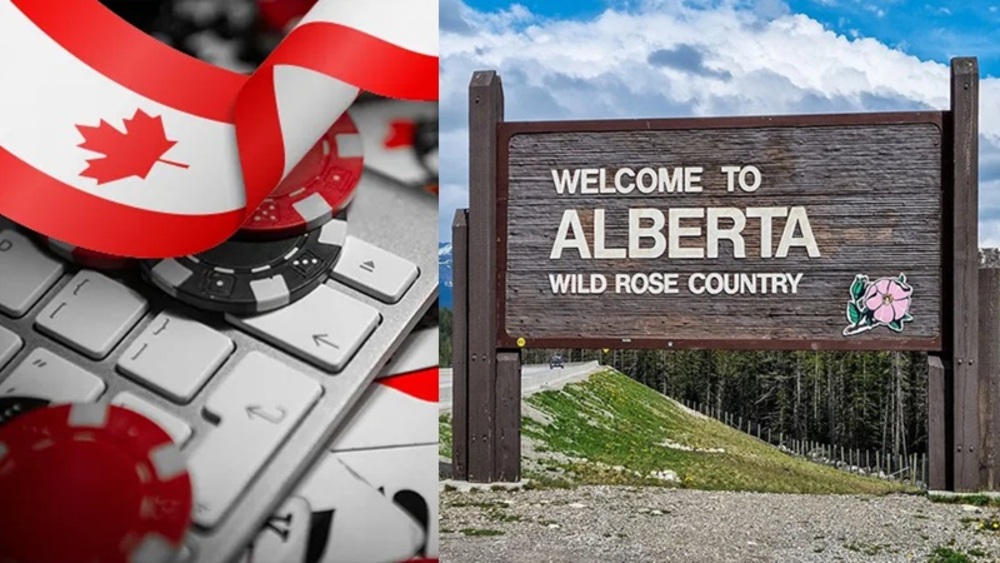
Canada.- 7 October 2026 | www.zonadeazar.com Alberta is using the expansion of its new regulated iGaming market as its main tool for shifting activity away from offshore operators and towards licensed platforms.
Minister Dale Nally said at G2E that the province intends to combine broad legal market access, player-protection measures and future enforcement action against unauthorised operators.
Market Open Since July
Alberta officially launched its competitive online gambling and sports betting market on 13 July 2026.
The province became the second Canadian jurisdiction after Ontario to introduce a commercial multi-operator model.
From 22 to 31 Operators
The market launched with 22 operators, including Play Alberta.
Within just six weeks, that number had increased to 31 regulated operators.
The government sees that expansion as essential to giving consumers enough legal alternatives to offshore platforms.
70% Previously Outside the Regulated Market
Before launch, approximately 70% of Alberta’s iGaming activity took place through offshore sites that were not locally regulated.
That level of unregulated play was one of the main arguments for moving away from a system in which Play Alberta was effectively the only regulated online option.
Competition as an Enforcement Tool
Nally argued that a competitive regulated offer can be more effective at displacing illegal operators than a market providing consumers with limited choice.
The strategy is designed to attract players towards licensed brands through broader product selection, safety standards and regulatory oversight.
Advertising Debate
Advertising has also become part of the discussion.
Nally acknowledged that some members of the provincial government favour tighter restrictions on gambling advertising.
However, he warned that rules applying only to licensed operators could indirectly benefit offshore sites that continue promoting themselves online.
Talks With Digital Platforms
Alberta has held discussions with companies including Google, Apple and social-media platforms regarding unauthorised gambling operators.
No specific action resulting from those talks has yet been announced.
Revenue Model
Alberta’s framework allows operators to retain 80% of net iGaming revenue.
The provincial government receives the remaining 20%.
That allocation takes place after funding is assigned to First Nations initiatives and social-responsibility programmes.
Treatment Funding
The province also directs 1% of GGR towards:
- Treatment.
- Prevention.
- Education.
- Gambling-harm reduction.
This funding is built directly into the commercial structure of the regulated market.
Market-Wide Self-Exclusion
One of Alberta’s key requirements was the introduction of a system-wide self-exclusion programme.
The objective is to allow players to exclude themselves from every regulated operator through a single process rather than dealing separately with each platform.
The system was ready before the market officially launched.
Split Governance Structure
Regulatory responsibilities are divided between two organisations.
The Alberta iGaming Corporation, AiGC, oversees the commercial iGaming market.
Alberta Gaming, Liquor and Cannabis, AGLC, serves as regulator.
AML and Data Protection
AiGC General Counsel Steve Inglis also highlighted the importance of providing clear guidance on anti-money laundering and privacy.
The province aimed to communicate policies and procedures early so operators could prepare before entering the market.
Enforcement From 13 October
Nally said Alberta intends to use every available tool to address illegal gambling.
The province had committed not to take action against offshore operators until 13 October.
The exact enforcement measures that could follow that date have not yet been detailed.
Next Steps or Impact
Alberta’s main challenge will be demonstrating that growth in the regulated market translates into an actual reduction in offshore activity.
The increase from 22 to 31 operators shows rapid expansion of the legal offer, but it does not by itself prove improved channelisation.
From 13 October, the combination of competition, player protection and enforcement will begin to show whether Alberta can replicate and potentially improve on the open-market model previously introduced by Ontario.
Editó: @fonta


