Brazilian Congress Debates New Allocation Of Betting Revenue
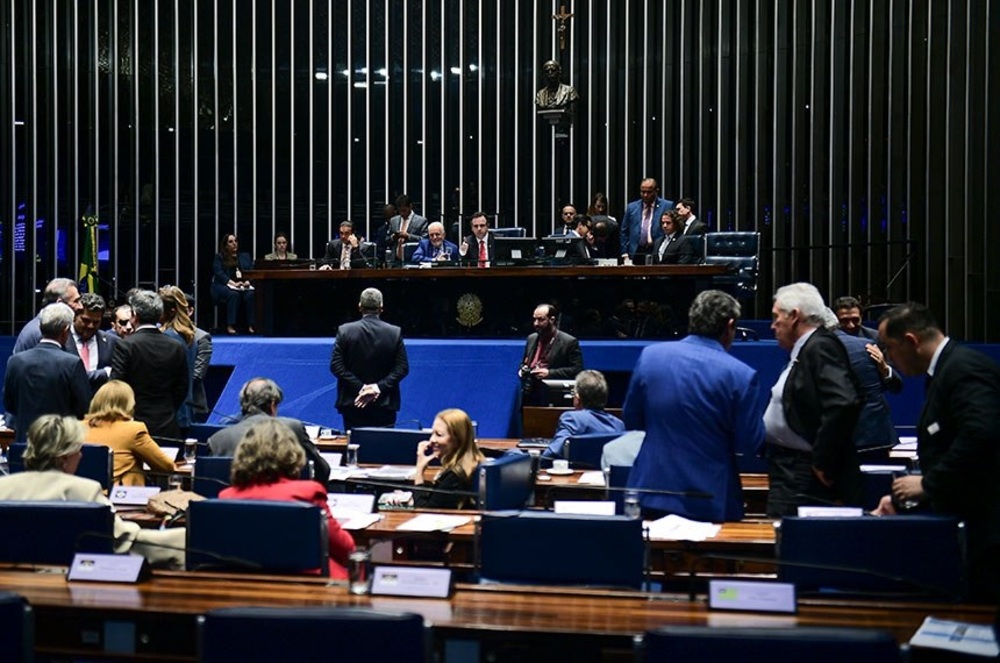
Brazil.– May 19, 2026 – www.zonadeazar.com Brazil’s National Congress is moving forward with discussions regarding a new allocation model for revenue generated by the regulated sports betting market. The debate includes investments in sports, public security, education and structural public projects funded through betting taxation.
Overview
The rapid growth of tax revenue generated by Brazil’s regulated betting market is driving new political and economic discussions regarding how these funds should be distributed.
Following the first full cycle of regulated operations throughout 2025 and early 2026, Brazilian lawmakers have begun debating initiatives aimed at expanding the use of betting-related revenue for sectors considered strategically important for the country, particularly sports and public security.
Details / Context
Official data shows that the federal government collected approximately BRL 3.4 billion in taxes from betting operators during the first quarter of 2026 alone, representing a 123.7% increase compared to the previous year. During 2025, the first full regulated year, total betting-related tax collection reached BRL 9.95 billion.
Against this backdrop, lawmakers are debating mechanisms to redistribute part of this revenue toward priority public projects.
One of the most discussed initiatives involves the creation of a Federal University of Sports based in Brasília. The proposal has already been approved by the Chamber of Deputies and now awaits Senate approval. Part of the institution’s funding could come directly from regulated betting revenue.
At the same time, discussions continue regarding the use of betting funds for:
- public security,
- anti-organised crime initiatives,
- sports programmes,
- culture,
- education,
- and social development projects.
Research conducted by LCA Consultoria for the Brazilian Institute of Responsible Gaming (IBJR) shows that the effective tax burden on the sector reached 32% in 2025 and could rise to as much as 42% by 2033 following planned tax reforms.
Impact
The debate represents a major institutional shift in how Brazil views the betting industry.
The sector is no longer treated solely as an entertainment activity and is increasingly becoming part of broader national economic and structural discussions.
For regulated operators, the movement also reinforces arguments related to:
- job creation,
- tax generation,
- public policy financing,
- combating illegal gambling,
- and sustainable economic contribution.
At the same time, increased government participation in sector revenue may trigger further debates around taxation balance, international competitiveness and the operational sustainability of licensed companies.
Future Perspective
The trend suggests that Brazil will continue deepening the integration between its regulated betting market and national public policy initiatives.
As regulation advances and tax revenue continues to grow, the betting industry is increasingly being viewed as a relevant source of funding for strategic sectors of the Brazilian state.
In addition, the approach of the FIFA World Cup 2026 and the continued expansion of the regulated market could further accelerate revenue generation, increasing the sector’s political and economic importance in the coming years.
🔗 Edited by: @_fonta www.zonadeazar.com

