Peru Faces a Market Saturation Paradox
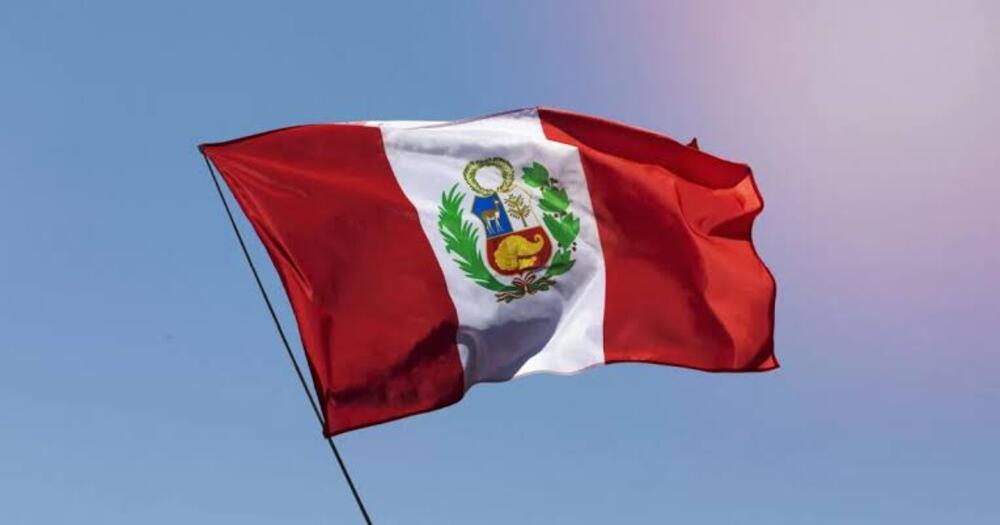
Peru.- 21 July 2026 www.zonadeazar.com Peru’s regulated betting and iGaming market combines favourable entry conditions with increasingly intense competition. A streamlined licensing process and relatively low tax burden have attracted numerous operators, but have also created an increasingly saturated environment with higher customer-acquisition pressures.
News Details
Unlike other Latin American jurisdictions, where securing a licence can be one of the main barriers to entry, Peru offers a regulatory process regarded as flexible and efficient.
Licensed operators are subject to a 12% special gaming tax on gross gaming revenue and an additional 1% levy on the value of every wager, known as the Selective Consumption Tax. This structure leaves the overall tax burden below that of several other regional markets.
The favourable framework could bring Peru close to 100 licensed operators by the end of 2026, little more than two years after the regulated online gambling market formally launched in February 2024.
Competition includes established local brands, which benefit from strong name recognition, and international groups with greater financial resources for marketing and customer acquisition.
Industry Context
The growing number of operators is causing acquisition costs to fluctuate and forcing companies to differentiate their products, promotions and commercial strategies.
Investment levels must nevertheless be assessed against the economic value of local customers. Purchasing power is lower than in more mature jurisdictions, limiting average player returns and potentially making it harder to recover aggressive acquisition spending.
Peru’s paradox therefore lies in a welcoming regulatory environment that facilitates market entry while simultaneously intensifying competition for a customer base with comparatively lower profitability.
Statements
Zenith Business Development Manager Eddie Morales said:
“The main attraction of Peru is that the regulation is very flexible and allows all the bureaucracy to move forward smoothly. It is even faster than a market like Colombia, which has been regulated for much longer.”
Discussing taxation, he stated:
“The tax burden is relatively low — 12% plus 1% represents a fairly low tax level. Even worldwide it is one of the lowest. I would say it is an ideal scenario for any operator.”
Morales also warned:
“The only thing about Peru is that it is getting fuller. It is a very active market and continues to grow. I think that by the end of this year we will be close to 100 licensed operators.”
On player economics, he added:
“The main difficulty of the market is in the return per player, which does not reach the levels of a first-level market. I would even consider Peru a third-level market when we talk about the player’s value.”
Next Steps or Impact
Operators will need to balance customer-acquisition spending with retention, personalisation and cost-control strategies. In a market with accessible regulation and expanding supply, long-term sustainability will depend less on obtaining a licence and more on building a proposition capable of generating lasting player value.
Edited by: @_fonta


